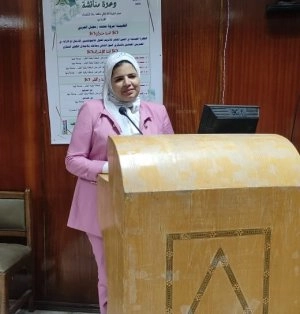

Published on: 2025-11-08 | Written by: Dr. Basant Fouad, General Internal Techno Clinic

Endocrine disorders are among the most complex medical conditions, as the endocrine glands are responsible for producing hormones that regulate vital body functions such as growth, metabolism, energy, and mood. In this article, Dr. Basant Fouad, Consultant of Internal Medicine, Endocrinology, and Diabetes at the Police Hospital, explains the main causes, symptoms, and management of these disorders and emphasizes the importance of continuous medical follow-up to prevent complications.
Dr. Basant Fouad stresses that the endocrine glands include the thyroid, pituitary, adrenal glands, pancreas, ovaries, and testes — all of which secrete hormones essential for maintaining body balance. Any disturbance in hormone secretion can lead to problems with growth, weight, energy levels, or mood regulation.
Dr. Basant Fouad confirms that endocrine disorders may result from genetic factors, environmental influences, or chronic diseases such as diabetes or immune dysfunctions. She also warns that certain medications can affect gland functions and alter hormone levels in the body.
Dr. Basant Fouad explains that symptoms vary depending on the affected gland but commonly include:
Unexplained weight gain or loss
Sleep or mood disturbances
Persistent fatigue or general weakness
Irregular menstrual cycles or fertility issues
Hair loss or dry skin
She warns that neglecting these symptoms can lead to serious long-term complications such as heart, bone, or nerve problems.
Dr. Basant Fouad emphasizes that accurate diagnosis relies on medical history, physical examination, and blood tests to assess hormone levels. In some cases, imaging such as ultrasound or MRI is required to determine the underlying cause. She stresses that early diagnosis facilitates effective treatment and prevents condition progression.
Dr. Basant Fouad clarifies that treatment depends on the type of hormonal disorder. Some cases require hormone replacement therapy, while others need medication to reduce excess secretion. She emphasizes the importance of regular monitoring and periodic hormonal assessments to ensure stability and effective management.
Dr. Basant Fouad warns that maintaining a healthy lifestyle plays a vital role in preventing endocrine disorders. She highlights that a balanced diet, regular exercise, adequate sleep, and stress control help maintain hormonal balance and enhance overall well-being.