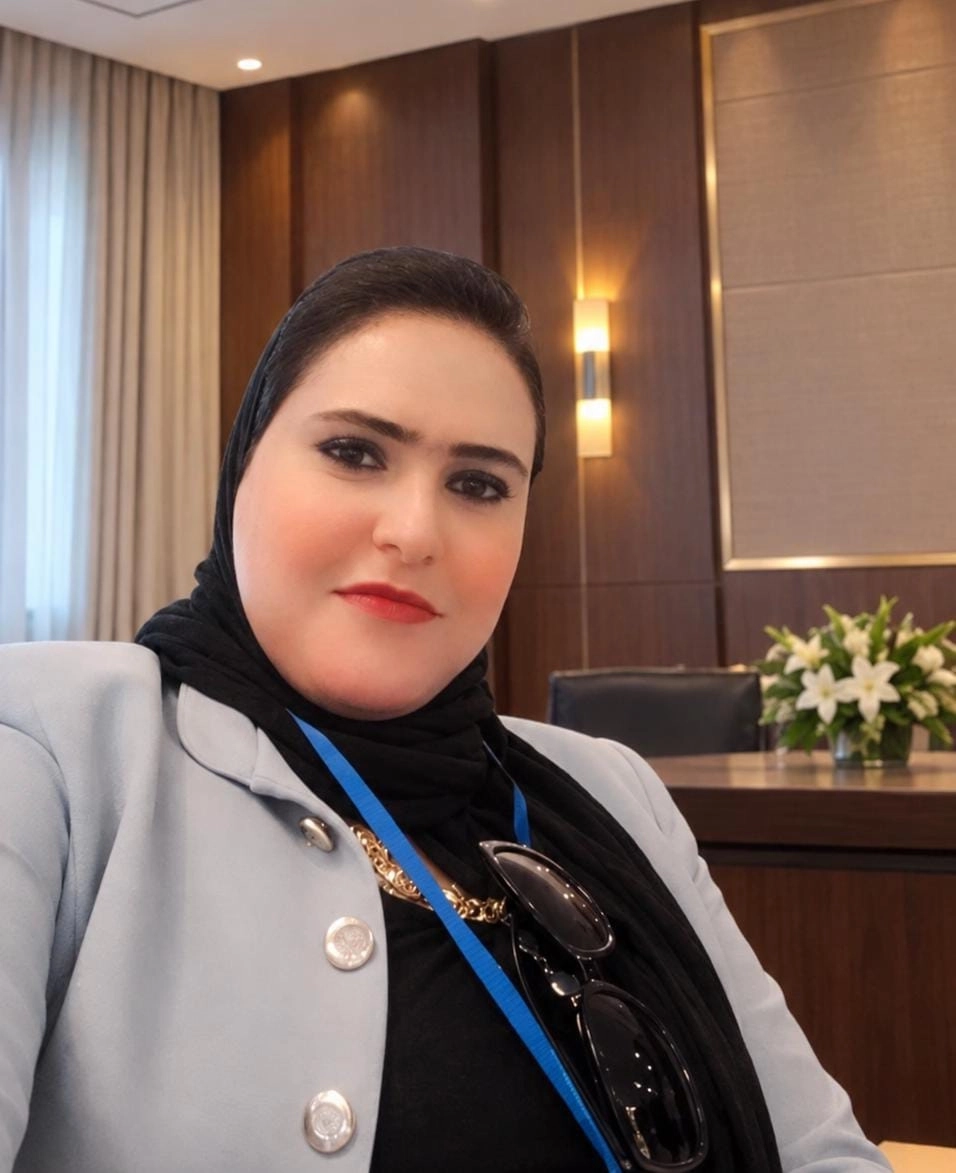

Published on: 2025-11-05 | Written by: Dr. Elfat Mounir Consultant in Mental Health

Family counseling is one of the most important branches of psychology that focuses on understanding the dynamics within the family, improving communication, and resolving conflicts in a healthy and constructive way. It aims to help family members deal with emotional challenges, behavioral issues, and life pressures that may affect their relationships.
Family counseling helps individuals understand each other better and develop mutual respect within the family unit. It promotes healthy communication and teaches problem-solving skills that prevent conflicts from escalating.
Dr. Elfat Mounir emphasizes that family counseling is not limited to families experiencing major crises—it is also a preventive tool that supports emotional growth and strengthens relationships before problems worsen.
There are many situations where family counseling becomes essential, such as:
Constant conflicts between spouses or between parents and children.
Behavioral problems in children or adolescents.
Difficulty adjusting after divorce or separation.
Emotional distance or lack of communication within the family.
Family trauma such as loss or illness.
Dr. Elfat Mounir highlights that early intervention through family counseling helps reduce psychological stress and teaches family members how to manage emotions and deal with changes in a balanced way.
The family counselor plays a neutral and supportive role, helping each member express their feelings safely and understand the other’s point of view. The goal is to rebuild trust and cooperation, not to assign blame.
According to Dr. Elfat Mounir, the counselor uses evidence-based therapeutic approaches such as cognitive-behavioral therapy (CBT), emotional regulation training, and communication enhancement techniques to achieve long-lasting positive results.
Family counseling also plays a vital role in supporting children and teenagers who may experience emotional distress, school difficulties, or behavioral changes.
Dr. Elfat Mounir explains that including parents in the therapy process helps improve understanding and create a supportive home environment that fosters psychological stability and healthy development for children.
Improving communication between family members.
Strengthening emotional bonds and mutual respect.
Developing effective problem-solving strategies.
Reducing stress, anxiety, and anger within the family.
Enhancing overall psychological well-being.
Dr. Elfat Mounir stresses that the real success of family counseling lies in the commitment of all family members to change and their willingness to understand each other without judgment. With professional guidance and consistent effort, families can overcome challenges and rebuild harmony in their relationships.