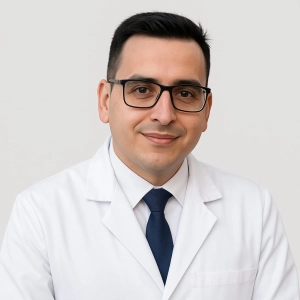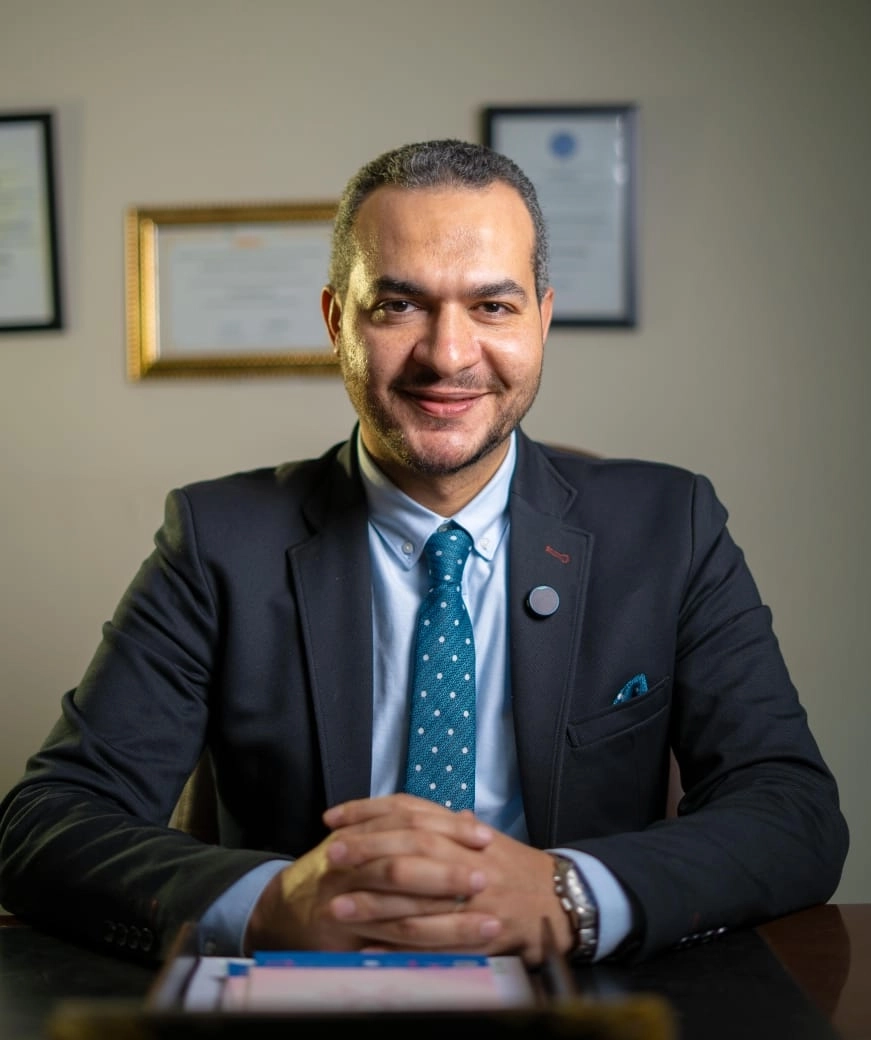

Published on: 2025-11-04 | Written by: Prof. Dr. Ashraf Balbaa, Professor of General

Professor Ashraf Belba confirms that accurate diagnosis of breast tumors is the first and most crucial step toward successful treatment, as early detection makes a major difference in recovery rates and quality of life. He emphasizes the importance of regular self-examination and clinical screening by a specialist doctor, especially when noticing any changes in the shape or texture of the breast.
Professor Ashraf Belba explains that benign tumors are usually non-dangerous and grow slowly, such as cysts or fibroadenomas, whereas malignant tumors tend to grow faster and may spread to nearby tissues or lymph nodes. He warns that distinguishing between the two types can only be confirmed through precise diagnostic tests.
Professor Ashraf Belba emphasizes that diagnosis relies on a combination of clinical examination, imaging, and laboratory analysis, including:
Mammogram: the primary imaging test that detects small tumors before symptoms appear.
Ultrasound: used to determine the nature of the lump, especially in younger women.
Biopsy: which confirms the type of tumor and determines whether it is benign or malignant.
He explains that combining these tests provides a more accurate diagnosis and helps avoid unnecessary anxiety caused by preliminary assessments.
Professor Ashraf Belba warns that certain symptoms should never be ignored, such as a persistent hard lump, nipple changes, unusual discharge, or skin redness. He emphasizes that delaying consultation in such cases can postpone diagnosis and reduce the possibility of conservative treatment.
Professor Ashraf Belba confirms that regular follow-up is essential to detect any changes early, especially in women with a family history of breast diseases. He explains that performing a medical checkup every 6 to 12 months significantly improves early detection rates and increases recovery chances when the tumor is identified at an early stage.