

Published on: 2025-11-04 | Written by: Dr. Tamer Moussa Ibrahim, Lecturer of Eye
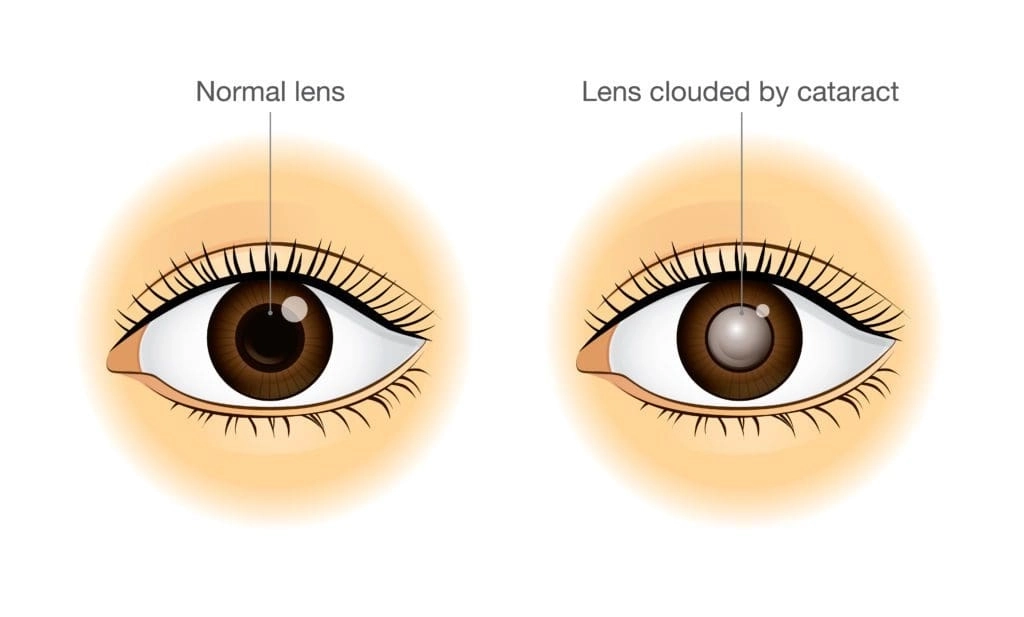
Cataract is one of the most common eye conditions, caused by clouding of the eye’s natural lens, which leads to gradual vision loss.
Dr. Tamer Mousa Ibrahim explains that cataracts are not only related to aging but may also result from eye injuries, chronic diseases such as diabetes, certain medications, or genetic factors. He emphasizes the importance of early diagnosis to prevent progressive vision deterioration.
Cataract removal surgery is a medical procedure designed to remove the cloudy lens and replace it with a clear artificial intraocular lens that restores vision.
Dr. Tamer Mousa Ibrahim confirms that modern cataract surgery techniques have made the procedure faster and safer, as it is performed under local anesthesia without the need for hospital admission, allowing patients to resume their normal activities shortly after.
Phacoemulsification is one of the most widely used methods for cataract removal. It involves breaking up the cloudy lens using ultrasonic waves and gently suctioning it out before implanting a new transparent lens.
Dr. Tamer Mousa Ibrahim emphasizes that this method reduces surgical risks, speeds up recovery, and offers high precision in treating all cataract grades. Most patients regain clear vision within 24 to 48 hours after the operation.
Femtolaser-assisted cataract surgery represents a major advancement in precision, using laser energy instead of traditional blades to make precise corneal incisions and fragment the cataract.
Dr. Tamer Mousa Ibrahim explains that femtolaser technology provides unparalleled accuracy in incision and lens placement, minimizing complications and achieving excellent visual results—especially for patients with advanced cataracts or corneal irregularities.
Dr. Tamer Mousa Ibrahim highlights that combining both techniques gives surgeons superior control during the procedure, reducing operation time to only 10–15 minutes while achieving the following benefits:
Rapid visual recovery after surgery
Lower risk of infection or complications
Faster healing and return to daily activities
Possibility of correcting refractive errors such as myopia or hyperopia during the same procedure
According to Dr. Tamer Mousa Ibrahim, thorough preoperative preparation is key to a successful surgery. It includes measuring intraocular pressure, assessing corneal curvature, and selecting the most suitable lens type for each patient.
Post-surgery, patients should strictly follow the doctor’s instructions—use prescribed eye drops, avoid rubbing the eye or exposure to dust, and attend regular follow-ups to ensure full recovery and stable vision.
Dr. Tamer Mousa Ibrahim points out that one of the greatest advantages of modern cataract surgery is the ability to implant multifocal or toric lenses that correct refractive errors. This allows patients to significantly reduce or completely eliminate their dependence on glasses, making the procedure both restorative and vision-enhancing.