
Published on: 2025-11-04 | Written by: Dr. Ali Imam, Lecturer of Obstetrics, Gynecology
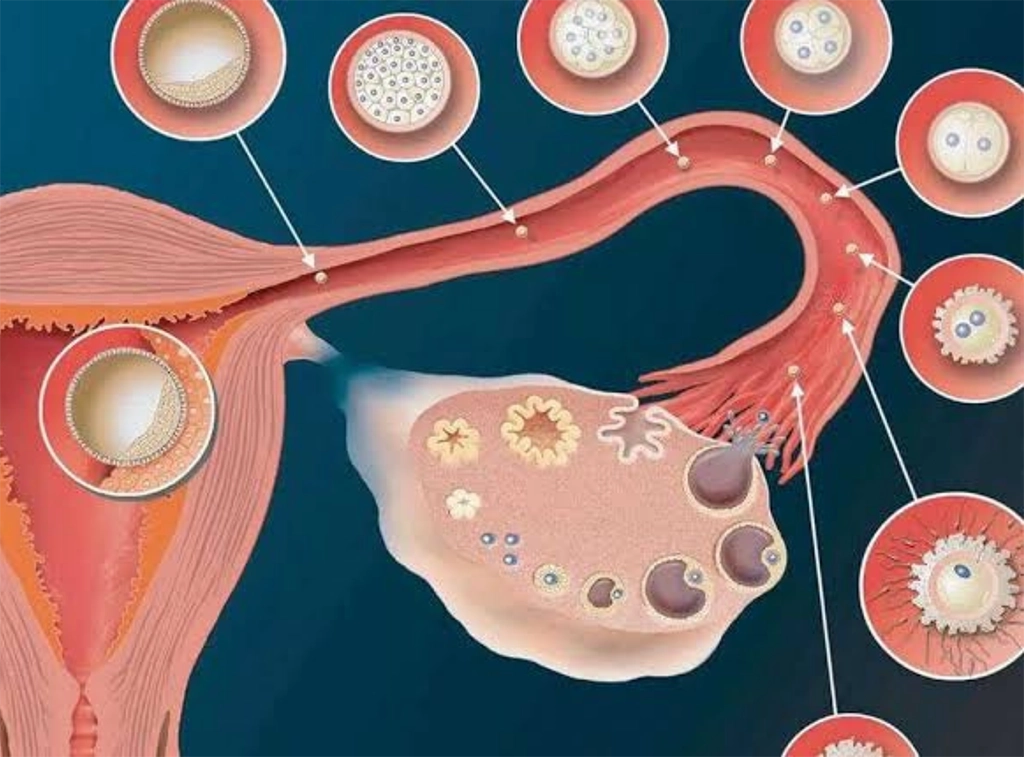
Ovulation induction and assisted reproduction programs are among the most advanced approaches in treating infertility and delayed conception. These methods help increase the chances of pregnancy by stimulating the ovaries to produce healthy, mature eggs ready for fertilization.
Dr. Ali Emam, Consultant of IVF, Endoscopy, and High-Risk Pregnancy in Smouha, Alexandria, stresses that the success of these programs depends on accurate diagnosis and choosing the most suitable treatment plan tailored to each woman’s hormonal and physical condition.
Dr. Ali Emam explains that ovulation induction involves using hormonal medications to stimulate the ovaries to produce more than one egg in a single cycle, thereby increasing the chances of pregnancy — whether naturally or through assisted reproduction techniques such as IVF or ICSI.
He confirms that these medications must always be used under medical supervision, to prevent complications like ovarian hyperstimulation or cyst formation.
Dr. Ali Emam confirms that assisted reproduction programs include several procedures such as IVF, ICSI, and embryo transfer, all designed to help couples conceive when natural methods fail.
He warns that success depends on multiple factors, including the timing of egg retrieval, sperm quality, and the condition of the uterine lining, which is why every step of the process must be carefully monitored.
Dr. Ali Emam warns that ovarian response varies from one woman to another and is influenced by factors such as age, weight, hormonal levels, and general ovarian health.
He stresses the importance of performing thorough medical evaluations before treatment to determine the ideal medication dosage and create a precise protocol that ensures the highest possible success rate.
Dr. Ali Emam highlights that strictly following medical instructions and taking medications at the correct times is essential for success.
He confirms that ultrasound monitoring, proper nutrition, and emotional stability all play key roles in enhancing the body’s response to stimulation and increasing the likelihood of pregnancy.
Dr. Ali Emam stresses that ovulation induction and assisted reproduction programs offer real hope for many couples struggling with infertility.
He confirms that with the advancement of modern fertility technologies, achieving pregnancy is now possible at significantly higher success rates — provided that treatment is managed by a highly qualified fertility specialist with experience in reproductive medicine.