
Published on: 2025-10-28 | Written by: Dr. Ahmed Hamdy, Consultant in Sexual Health
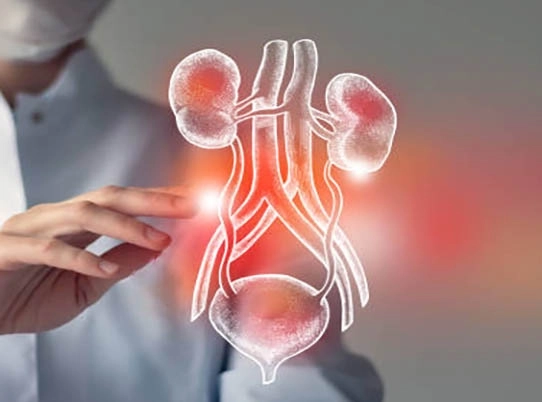
Urological surgery is a highly specialized medical field aimed at treating diseases of the urinary system, kidneys, bladder, and male reproductive organs safely and effectively.
Dr. Ahmed Hamdy emphasizes that early surgical intervention reduces complications, preserves urinary system health, and ensures the best outcomes for patients.
Dr. Ahmed Hamdy explains that the main conditions often requiring surgical intervention include:
Kidney and bladder stones causing severe pain or obstruction.
Enlarged prostate leading to difficulty urinating.
Malignant tumors in the kidneys, bladder, or prostate.
Congenital or acquired urinary tract abnormalities.
Urinary system injuries from accidents or previous surgeries.
Dr. Ahmed Hamdy stresses that advancements in urological surgery have minimized pain and accelerated recovery, including:
Laparoscopic Surgery: Minimally invasive with small incisions to reduce pain and scarring.
Medical Laser: For breaking stones or treating prostate enlargement without major surgery.
Robotic Surgery: High precision, especially for complex cases.
Open Surgery: For cases requiring traditional intervention to ensure complete treatment.
He confirms that the choice of technique depends on the type and stage of the disease.
Dr. Ahmed Hamdy explains that the primary goals of urological surgery are:
Removing causes affecting the urinary system.
Reducing pain and improving urinary function.
Preventing recurrence or future complications.
Preserving kidney, bladder, and sexual health.
Improving quality of life and psychological well-being.
Dr. Ahmed Hamdy stresses that accurate preoperative diagnosis is key to surgical success, including blood tests, imaging, and ultrasound to determine the optimal treatment plan.
He also points out the necessity of postoperative follow-up to ensure full recovery and prevent potential complications.
Dr. Ahmed Hamdy explains that adhering to medical instructions after surgery ensures optimal results, including:
Drinking enough fluids to maintain kidney and bladder health.
Avoiding strenuous physical activity during recovery.
Attending scheduled follow-ups with the doctor.
Monitoring any unusual symptoms and contacting the physician promptly.
Following a healthy diet to support healing and reduce stone formation.