
Published on: 2025-10-27 | Written by: Zewail Academy for Speech and Skills Development
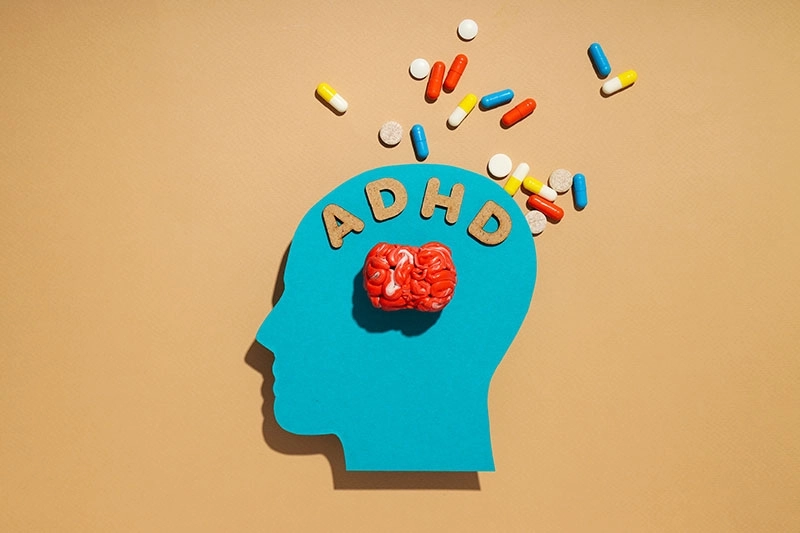
Hyperactivity and Attention Deficit Disorder (ADHD) is one of the most common behavioral disorders among children and may sometimes persist into adulthood.
This disorder affects concentration, attention, and academic performance, and can also lead to difficulties in social relationships.
Zewail Academy explains that early diagnosis and identifying appropriate treatment strategies are key to improving a child’s life, stressing that prompt intervention reduces complications and supports healthy, balanced development.
ADHD is a neurobehavioral disorder characterized by three main traits:
Inattention: Difficulty focusing and sustaining attention on daily tasks.
Hyperactivity: Excessive and continuous physical activity observed at school and home.
Impulsivity: Acting quickly without considering consequences, potentially causing social or academic problems.
Zewail Academy confirms that these symptoms vary in severity among children and warns that specialized evaluation helps determine the disorder’s level and develop an accurate treatment plan.
Zewail Academy points out that ADHD has multiple causes, including:
Genetic factors: The disorder may run in families.
Biological factors: Imbalances in brain chemicals or nerve activity.
Environmental factors: Exposure to high stress or continuous pressure.
The academy stresses that understanding these causes helps parents and therapists design effective, individualized treatment programs.
Zewail Academy explains that ADHD treatment relies on a combination of therapeutic approaches to ensure optimal results, including:
Modifying undesired behaviors through positive reinforcement.
Teaching the child self-control and attention skills.
Using charts and reward systems to encourage focus.
Medications to improve focus, attention, and reduce hyperactivity.
Must be prescribed under specialized medical supervision.
Guiding parents to apply positive reinforcement strategies at home.
Training teachers to manage children with ADHD effectively in school.
Zewail Academy emphasizes that combining these approaches increases treatment effectiveness and helps the child adapt socially and academically.
After starting treatment, Zewail Academy warns of the importance of regular follow-ups to ensure the program’s effectiveness:
Reviewing goals regularly.
Adjusting the treatment plan based on the child’s response.
Providing psychological support and teaching focus and self-discipline skills.
The academy confirms that consistent sessions and specialist follow-up ensure the best outcomes and minimize future relapses.
Zewail Academy stresses the importance of:
Providing a quiet, distraction-free environment.
Breaking large tasks into smaller steps.
Rewarding the child for achievements, even small ones.
Strengthening communication between school and family to apply consistent strategies.