
Published on: 2025-10-27 | Written by: Dr. Marwa Bahaa ElDin of Mental Health
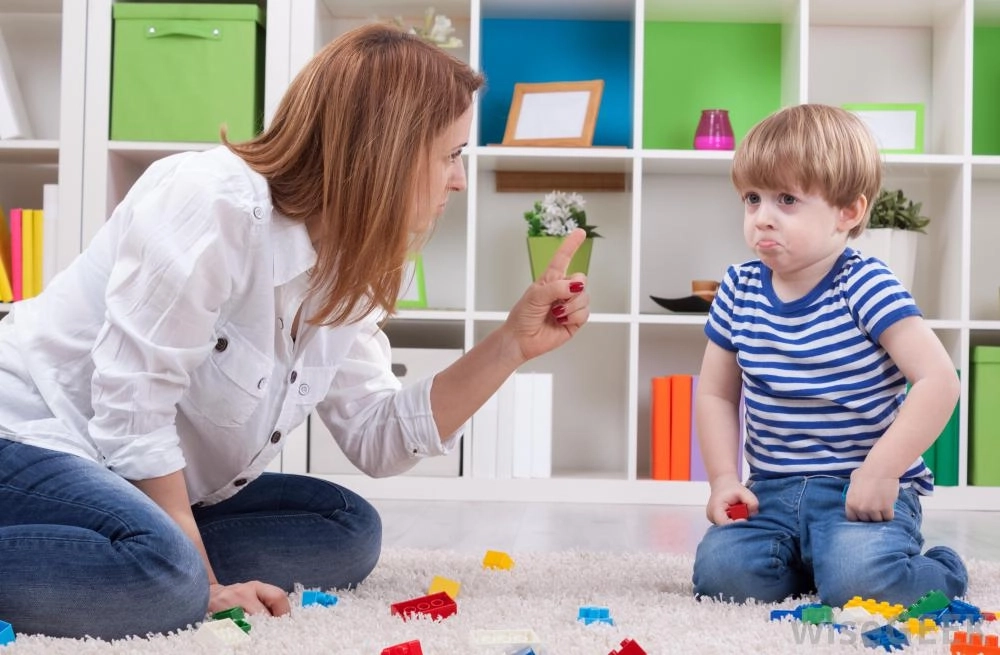
Behavior modification sessions for children are among the most effective psychological interventions for developing positive behavior and reducing behavioral problems. These sessions focus on teaching children how to control their reactions, express their feelings appropriately, and deal positively with others.
Dr. Marwa Bahaa El-Din emphasizes that behavioral modification is not punishment or reprimand, but a structured educational process based on understanding the child’s psychology and guiding them toward the right behavior through reinforcement, modeling, and consistent guidance.
Behavior modification sessions are specialized therapeutic sessions that rely on scientific techniques to replace unwanted behaviors with positive alternatives. These sessions are led by psychologists trained in child behavior, who work with the child and their family to identify triggers and build effective coping strategies.
Dr. Marwa Bahaa El-Din confirms that every child has unique behavioral patterns that must be studied carefully before developing a personalized behavioral plan. She stresses that treatment success depends on the cooperation between the specialist, parents, and the school environment.
Behavior modification uses several techniques, such as:
Positive reinforcement: rewarding the child for good behavior.
Ignoring: avoiding giving attention to unwanted behavior.
Modeling: presenting positive examples that the child can imitate.
Token economy: using reward points or stars to motivate good behavior.
Dr. Marwa Bahaa El-Din highlights that choosing the right technique depends on the child’s age, personality, and type of behavioral issue, ensuring that the modification process remains gentle, gradual, and effective.
These sessions help treat several problems, including:
Excessive aggression or anger.
Lying or stealing.
Social withdrawal or fear of others.
Hyperactivity and lack of focus.
Dr. Marwa Bahaa El-Din stresses that early intervention is crucial to prevent these problems from developing into deeper psychological disorders in adolescence or adulthood.
Parents play a key role in the success of therapy. They must apply the same behavioral strategies used in the sessions at home to maintain consistency in the child’s environment.
Dr. Marwa Bahaa El-Din advises parents to avoid yelling or hitting and instead focus on encouragement, empathy, and communication.