
Published on: 2025-10-27 | Written by: Dr. Marwa Bahaa ElDin of Mental Health
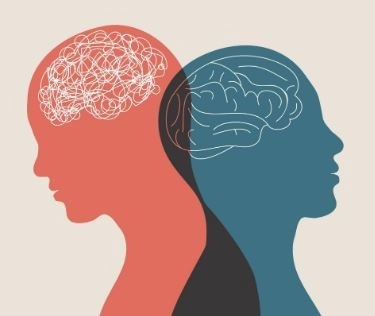
Psychological disorders are among the most common health problems that affect a person’s life in various ways — socially, professionally, and emotionally.
In recent years, these disorders have become more widespread due to increasing daily pressures, making treating psychological disorders an essential step that should never be ignored.
Psychological disorders are a group of conditions that affect thinking, emotions, and behavior.
They include anxiety, depression, obsessive-compulsive disorder (OCD), sleep disorders, and personality disorders.
Dr. Marwa Bahaa El-Din explains that these conditions do not mean weakness of character as many believe,
but rather medical issues that require specialized assessment and treatment — just like any other physical illness.
Psychological disorders can appear in different forms, and symptoms may vary from one person to another, but often include:
Loss of interest in daily activities
Changes in sleep or appetite
Severe mood swings
Persistent guilt or anxiety
Poor concentration and indecisiveness
Social withdrawal or isolation
Dr. Marwa Bahaa El-Din stresses that noticing these signs early highlights the importance of visiting a psychiatrist quickly to prevent the condition from worsening.
Dr. Marwa Bahaa El-Din points out that the causes are multiple and often interrelated, including:
Genetic Factors
Some disorders can run in families due to inherited genes.
Biological Factors
Such as imbalances in brain chemistry or hormonal disruptions.
Environmental and Social Factors
Continuous exposure to stress or emotional trauma.
Lifestyle Habits
Poor sleep, unhealthy diet, or substance abuse.
Dr. Marwa Bahaa El-Din warns that when these factors accumulate without proper care, they can lead to serious complications such as behavioral problems, addiction, or severe isolation.
Dr. Marwa Bahaa El-Din clarifies that psychological treatment does not depend on one single method,
but rather on a customized plan based on the disorder type and symptom severity. The main approaches include:
Aims to help patients understand their thoughts, emotions, and behaviors.
Cognitive Behavioral Therapy (CBT) is one of the most effective methods for treating anxiety, depression, and OCD.
In some cases, medications are prescribed to regulate brain chemistry and improve mood,
and must always be taken under a psychiatrist’s supervision.
Focuses on modifying negative behaviors and reinforcing healthy habits.
The role of family and close friends is crucial in creating a safe and supportive environment for recovery.
Dr. Marwa Bahaa El-Din emphasizes that combining psychotherapy and medication is the most effective way to achieve lasting results and full recovery.
Treatment does not end when symptoms improve — regular follow-ups with the psychiatrist are vital.
Symptoms may return if the patient stops treatment without medical supervision.
Dr. Marwa Bahaa El-Din stresses that commitment to therapy sessions and consistent follow-up helps stabilize mental health and prevents future relapses.
To maintain psychological stability, Dr. Marwa Bahaa El-Din highlights the importance of adopting a healthy lifestyle by:
Getting enough sleep regularly
Exercising consistently
Eating a balanced diet
Managing stress effectively
Taking time to relax and enjoy hobbies
Seeking professional help without shame or fear