
Published on: 2025-10-27 | Written by: Dr. Azza Saleh Hanafi Obstetrics and Gynecology
In Vitro Fertilization (IVF) and Intracytoplasmic Sperm Injection (ICSI) are among the most significant modern medical achievements and solutions in assisted reproductive technology (ART) and obstetrics/gynecology. These procedures have offered new hope to millions of couples experiencing delayed conception. These techniques rely on assisting the fusion of sperm and egg outside the uterus in a precise laboratory environment, followed by re-implanting the resulting embryos into the mother's uterus to achieve a safe pregnancy.
Although the initial steps are similar between both procedures, there is a fundamental difference in how egg fertilization occurs inside the laboratory.
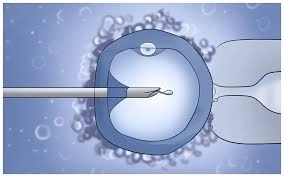
Dr. Azza Saleh clarifies that the primary difference lies in the fertilization method: in conventional IVF, the egg is placed with thousands of sperm in a culture dish, allowing nature to select a single sperm to penetrate the egg independently. In ICSI, a single high-quality sperm is selected and injected directly into the cytoplasm of the egg using a microscopic needle under a high-power microscope.
In Vitro Fertilization (IVF): Preferred in cases of fallopian tube obstruction or mild ovulation issues when sperm quality is excellent.
Intracytoplasmic Sperm Injection (ICSI): Considered the ideal solution when there are severe deficiencies in sperm motility, count, or morphology, or when the egg wall quality is reduced.
Various medical reasons prompt couples to seek assisted reproductive techniques to achieve a safe and healthy pregnancy.
Dr. Azza Saleh points out that determining the appropriate technique for a couple requires a comprehensive evaluation, including ovarian reserve testing (AMH), semen analysis, and an assessment of uterine cavity integrity to ensure selecting the most effective treatment path from the start.
Male Factor Infertility: Poor sperm motility, low count, or azoospermia (retrieving sperm via testicular extraction).
Tubal Factor Infertility: Blocked or damaged fallopian tubes preventing natural sperm-egg interaction.
Endometriosis: Due to its impact on egg quality and pelvic adhesions.
Polycystic Ovary Syndrome (PCOS): Advanced cases that do not respond to conventional ovulation induction medications.
Unexplained Infertility: After unsuccessful natural attempts and Intrauterine Insemination (IUI).
The treatment journey progresses through several sequential, precise stages requiring close medical monitoring to ensure optimal outcomes.
Dr. Azza Saleh advises strict adherence to prescribed dosages and schedules for ovulation induction medications, explaining that balanced ovarian stimulation yields high-quality eggs, thereby increasing fertilization rates and producing strong embryos suitable for transfer.
Ovarian Stimulation: Administering a specific hormonal protocol to stimulate the growth of an adequate number of follicles and eggs.
Egg Retrieval: A simple procedure performed under light general anesthesia to retrieve eggs via ultrasound guidance.
Sperm Isolation and Preparation: Selecting the best sperm in terms of motility and morphology in the laboratory.
Laboratory Fertilization (Injection or Insemination): Injecting each egg with a single sperm (ICSI) or incubating them together (IVF).
Embryo Culture and Development: Monitoring embryo division in specialized incubators until Day 3 or Day 5 (blastocyst stage).
Embryo Transfer: Transferring the highest-quality embryos into the uterine cavity using a fine catheter without pain.
Success rates depend on the synergy of various factors, ranging from maternal age and embryo quality to uterine lining preparation.
Dr. Azza Saleh stresses that the post-embryo transfer period is a delicate phase requiring physical and emotional rest and regular administration of hormonal support, while avoiding strenuous exertion or heavy lifting, without the need for strict bed rest.
Healthy Balanced Nutrition: Focusing on proteins, fiber-rich foods, and adequate hydration.
Complete Cessation of Smoking and Excessive Caffeine: To protect endometrial receptivity and hormonal balance.
Adherence to Progesterone Support: Taking progesterone suppositories or tablets precisely on schedule.
Avoiding Stress and Anxiety: To maintain consistent blood flow to the uterus.
Performing a Quantitative Blood Pregnancy Test (BHCG): 14 days following the embryo transfer date.
Choosing a Specialized Center and Advanced Embryology Lab: To handle embryos and gametes using state-of-the-art laboratory technologies.
Preimplantation Genetic Testing (PGT): Screening embryos for genetic disorders and selecting healthy ones prior to transfer.
Optimal Endometrial Preparation: Ensuring appropriate uterine lining thickness and pattern for embryo implantation.
Maintain Ongoing Follow-Ups with Your Specialist:
Dr. Azza Saleh emphasizes in her concluding advice that ICSI and IVF represent a journey of hope built on science and precision. Early diagnosis, adherence to medical instructions, patience, and emotional peace form the true foundation for achieving the dream of safe parenthood and motherhood.