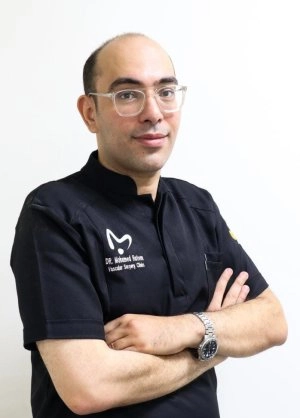

Published on: 2025-10-23 | Written by: Dr. Mohamed Ibrahim Sholah, Vascular Surgery Consultant
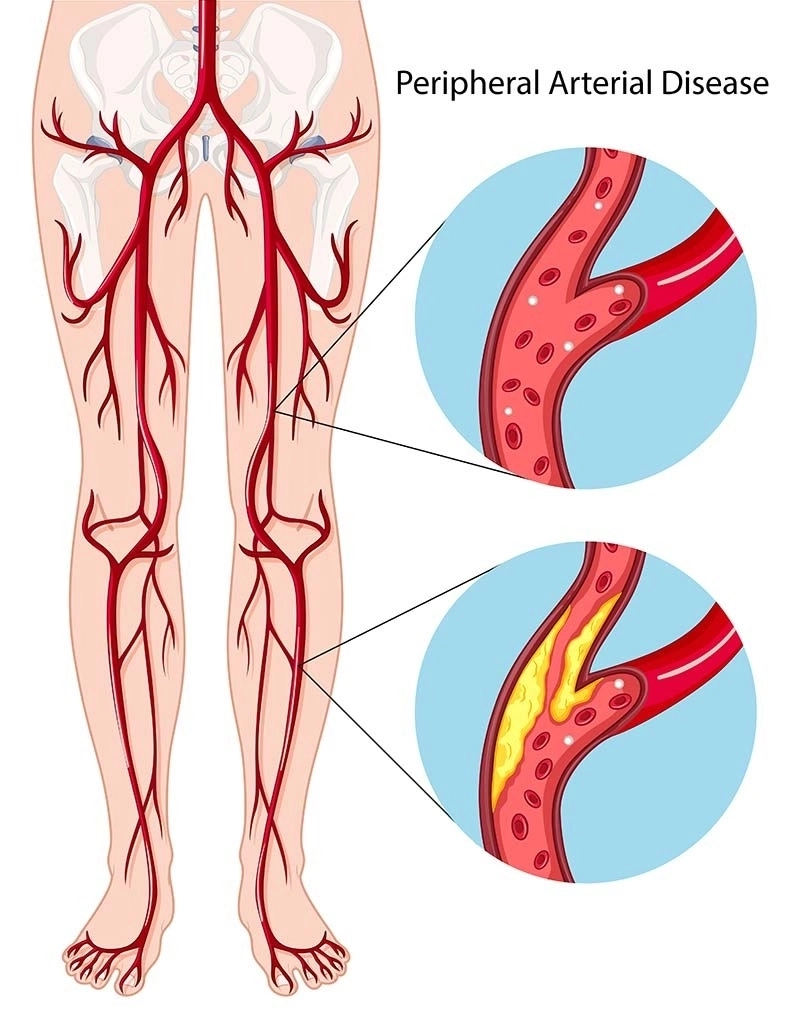
Peripheral artery disease (PAD) is one of the most common circulatory problems that affects blood flow to the limbs, leading to chronic pain, cold feet, and difficulty walking. Dr. Mohamed Ibrahim Shoulah emphasizes that interventional catheterization has become one of the most advanced modern techniques, allowing patients to avoid surgical risks while achieving precise and effective results.
Dr. Mohamed Ibrahim Shoulah explains that interventional catheterization is a minimally invasive technique that involves inserting a thin tube through a blood vessel to reach the blocked area. Through this catheter, a balloon may be inflated or a stent placed to restore normal blood flow. Dr. Mohamed Ibrahim Shoulah confirms that the procedure is done under local anesthesia only, with no need for open surgery or long hospital stays.
Dr. Mohamed Ibrahim Shoulah points out several key benefits of this procedure, including:
Significantly shorter recovery time compared to traditional surgery.
The patient can usually go home the same day.
No large incisions or major complications.
High precision in locating and treating the blockage.
Dr. Mohamed Ibrahim Shoulah stresses that this technique is especially safe and effective for elderly patients or those suffering from chronic conditions such as diabetes or hypertension.
Dr. Mohamed Ibrahim Shoulah clarifies that patients should pay attention to symptoms such as leg pain during walking, changes in skin color, cold feet, or delayed wound healing — as these may indicate narrowing or blockage of the arteries. He warns that neglecting early diagnosis can lead to serious complications such as gangrene or even limb loss.
After the procedure, Dr. Mohamed Ibrahim Shoulah emphasizes the importance of regular medical follow-up and maintaining a healthy lifestyle — including quitting smoking, controlling blood sugar and cholesterol levels, and exercising regularly. He also highlights the need to take prescribed medications consistently to ensure smooth blood flow and prevent re-blockage.