
Published on: 2025-10-16 | Written by: Dr. Mohamed Abdel Sattar, Professor of Kidney
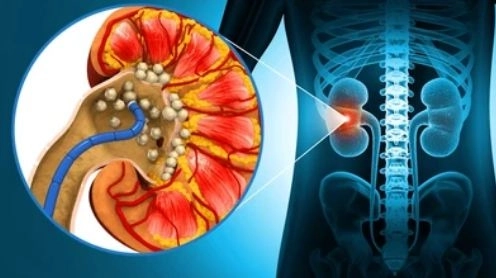
Laser Lithotripsy is considered one of the newest and most vital medical breakthroughs in the field of urology. This advanced technology has revolutionized the management of urinary stones of all sizes and locations, replacing traditional open surgeries. The technique utilizes flexible or rigid endoscopes to reach the stone directly inside the urinary tract, after which precise laser optical fibers deliver targeted energy to disintegrate the stone into fine, dust-like particles that pass safely and painlessly out of the body in the urine.
Laser lithotripsy is a minimally invasive surgical procedure aimed at eliminating stones formed in the kidneys, ureter, or bladder without making any skin incisions.
Dr. Mohamed Abdel Sattar clarifies that laser lithotripsy relies on focused light energy (such as Holmium or Thulium lasers) to break down the stone through vaporization and mechanical fragmentation. This ensures that even the hardest stone types are reduced to microscopic granules without injuring or bruising the delicate lining of the kidney or bladder.
Incisionless Procedure: Access is achieved through the natural urethral opening without surgical wounds.
Extreme Precision and Direct Targeting: Laser beams target the stone exclusively without affecting the ureteral or renal walls.
Capability to Handle All Stone Types and Sizes: Effectively disintegrates dense stones (such as calcium oxalate or cystine stones).
Rapid Recovery: Patients are typically discharged the same day or within a maximum of 24 hours.
Laser lithotripsy is the preferred and safest therapeutic choice for numerous clinical presentations.
Dr. Mohamed Abdel Sattar points out that selecting laser technology depends on the size, location, and obstructive impact of the stone on urinary flow. He emphasizes that stones causing ureteral obstruction or lodged in the renal pelvis causing severe renal colic are top priorities for laser intervention to prevent kidney damage.
Medium to Large Kidney Stones: Stones ranging from 1 to 2 cm in size or those resistant to shockwave therapy.
Obstructive Ureteral and Bladder Stones: Stones blocking urine flow and causing hydronephrosis.
Failure of Extracorporeal Shock Wave Lithotripsy (ESWL): High-density stones that fail to respond to external shockwaves.
Multiple Stones in Complex Anatomical Locations: Such as lower calyceal kidney stones that can only be accessed using a flexible ureteroscope.
Laser treatment follows a structured protocol beginning with comprehensive diagnostics and concluding with complete stone clearance.
Dr. Mohamed Abdel Sattar advises thorough preoperative preparation by performing a Non-Contrast Computed Tomography (NCCT) scan to determine exact stone density and dimensions, alongside confirming the absence of urinary tract infections prior to treatment.
Anesthesia and Preparation: General or spinal anesthesia to ensure complete patient comfort during the procedure.
Ureteroscope Insertion: Navigating a thin endoscope (rigid for bladder/lower ureter, flexible for kidneys) through the urethra.
Laser Fiber Placement: Inserting the microscopic fiber through the working channel until it contacts the stone surface.
Vaporization and Fragmentation: Delivering laser pulses to reduce the stone into fine particles (dusting method).
Ureteral Stent (Double-J Stent) Placement: Temporarily placing a stent in select cases to facilitate ureteral healing and smooth particle passage.
The post-procedure period requires adherence to specific home guidelines to encourage stone dust clearance and ensure rapid healing.
Dr. Mohamed Abdel Sattar stresses that drinking abundant amounts of water post-surgery is the primary driver for flushing the urinary system and clearing residual stone dust, noting that mild dysuria or light hematuria during the initial days is normal and expected.
Drink at Least 3 Liters of Water Daily: To stimulate diuresis and prevent particle accumulation.
Adhere to Prescribed Medications: Take urinary antiseptics, analgesics, and ureteral relaxants as scheduled.
Avoid Strenuous Physical Exertion: Rest for several days, particularly if a JJ stent is in place.
Monitor Urine Color: Observe the clearance of stone dust and confirm that hematuria gradually resolves.
Maintain Continuous Hydration: Make daily water intake a core habit to prevent salt concentration in the urine.
Reduce Dietary Sodium and Oxalates: Limit salt, processed foods, and oxalate-rich items such as spinach and mangoes.
Moderate Animal Protein Intake: Reduce red meat consumption to lower uric acid levels.
Maintain Ongoing Follow-Ups with Your Specialist:
Dr. Mohamed Abdel Sattar emphasizes in his concluding advice that laser lithotripsy offers a safe and definitive solution for urinary stones. Adhering to preventive guidelines and maintaining a healthy lifestyle represent the true guarantee against stone recurrence, protecting kidney health for a lifetime.