
Published on: 2025-10-14 | Written by: Dr. Muayad Al-Zarqa and Dr. Ahmed Mohamed Al-Nuwaihi
Introduction to Herniated Discs and Spinal Pain
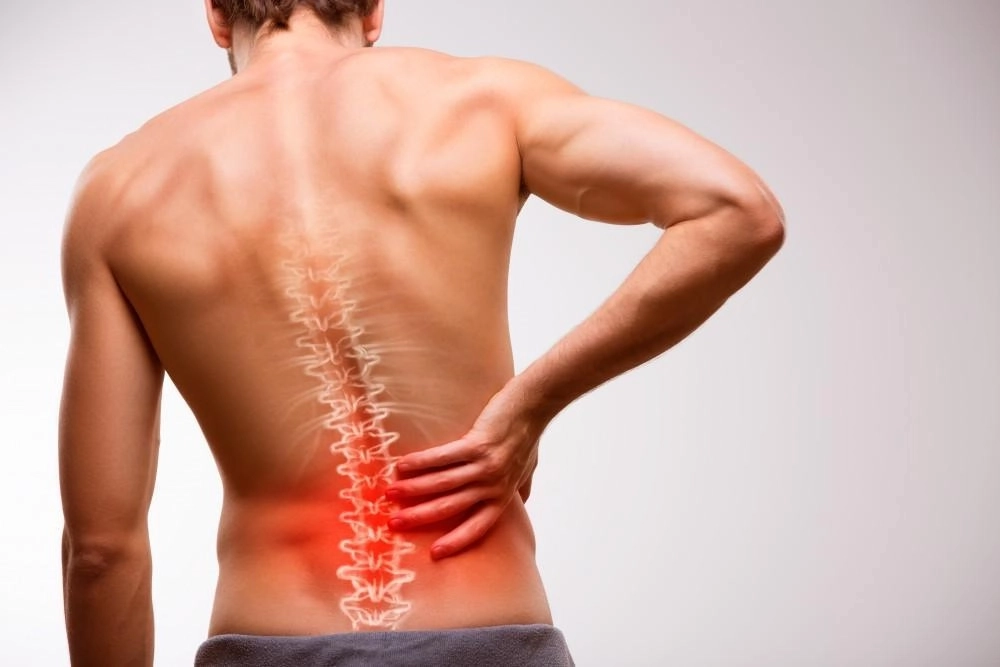
Spinal pain and herniated discs are among the most common health issues affecting individuals' daily quality of life. Dr. Moayed Mohamed El-Zarga explains that a herniated disc occurs when the inner gel-like core of the disc shifts and presses on nearby nerves, causing severe back pain that may radiate to the extremities.
Various Symptoms of a Herniated Disc
Symptoms vary depending on the location of the affected disc, with the most prominent including:
Back and Neck Pain: Persistent or sharp pain during movement.
Numbness and Tingling: Pain radiating down to the legs or arms accompanied by a prickling sensation.
Muscle Weakness: Difficulty lifting objects or performing simple daily tasks.
Sciatica Pain: Pain extending from the lower back down to the foot.
Causes and Triggers of Spinal Pain
Dr. Moayed Mohamed El-Zarga points out several factors that increase the likelihood of developing spinal problems, such as:
Poor Posture: Prolonged sitting in front of screens without proper ergonomic posture.
Lifting Heavy Weights: Excessive strain placed incorrectly on the back vertebrae.
Aging: Wear and tear of the discs and loss of flexibility over time.
Excess Weight: Continuous pressure on the lumbar and sacral vertebrae.
Modern Diagnostic Methods
In diagnosing herniated disc cases, Dr. Moayed Mohamed El-Zarga relies on precise techniques to ensure accurate identification of the issue:
Clinical Examination: Evaluating nerve reflexes and muscle strength.
Magnetic Resonance Imaging (MRI): Providing detailed images of discs and nerves.
X-Rays: Verifying the structural integrity of the spinal vertebrae.
Nerve Conduction Studies: Measuring the efficiency of electrical signals in the limbs.
Non-Surgical and Conservative Treatment Options
Treatment typically begins with conservative methods that yield excellent results in most cases. Dr. Moayed Mohamed El-Zarga highlights that non-surgical treatment options include:
Medication: Using nerve anti-inflammatory drugs and muscle relaxants.
Physical Therapy: Customized exercises to strengthen core and back muscles.
Local Injections: Nerve root injections to quickly reduce irritation and pain.
Radiofrequency Ablation: Advanced technology to disrupt pain signals without surgical intervention.
Prevention and Tips for Maintaining Back Health
Dr. Moayed Mohamed El-Zarga advises following daily preventive practices to protect the spine from degeneration:
Exercise: Regular walking and swimming to strengthen the back.
Workplace Ergonomics: Using supportive chairs and taking regular breaks.
Maintaining a Healthy Weight: Reducing continuous load on the vertebrae.
Staying Hydrated: Drinking plenty of water to maintain disc hydration and flexibility.