
Published on: 2025-10-14 | Written by: Dr. Muayad Al-Zarqa and Dr. Ahmed Mohamed Al-Nuwaihi
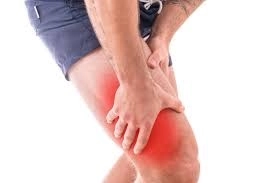
Sports injuries and muscle strains are among the most prominent challenges that halt an athlete's journey and impact their physical performance. Dr. Moayed Mohamed El-Zarga explains that muscle strains and sports injuries occur as a result of excessive stress on muscle tissues or ligaments, causing severe pain and stiffness that hinders natural movement and requires immediate medical intervention to ensure complete recovery.
Common Types of Sports Injuries and Associated Symptoms
Sports injuries vary in type and severity depending on the sport and effort exerted, with key symptoms and manifestations including:
Muscle Strains and Tears: Sudden, severe pain in the affected muscle accompanied by difficulty moving it.
Ligament Sprains: Swelling and severe pain around the joint caused by improper or awkward movements.
Tendon Strain: Inflammation resulting from repetitive, strenuous movements during training.
Swelling and Bruising: Rapid appearance of bruises and localized swelling at the injury site.
Causes and Triggers of Muscle Strains and Sports Injuries
Dr. Moayed Mohamed El-Zarga points out several factors that increase the risk of experiencing sports injuries and muscle strains, including:
Neglecting Warm-ups: Starting intense workouts without properly preparing the muscles and ligaments.
Dehydration and Lack of Fluids: Insufficient water intake leads to painful muscle contractions.
Excessive Physical Strain: Continuing to exercise despite feeling muscle fatigue.
Mineral Deficiencies: Low levels of essential minerals like potassium and magnesium in the body.
Modern Techniques in Medical Diagnosis
In diagnosing sports injuries, Dr. Moayed Mohamed El-Zarga relies on advanced medical tools to precisely determine the extent of the damage, including:
Clinical Examination: Evaluating the range of motion of the affected joint and muscle, as well as pain intensity.
Ultrasound Scanning: Providing a quick and accurate assessment of soft tissues and muscle conditions.
Magnetic Resonance Imaging (MRI): Detailed examination of muscle tears and injuries to ligaments and tendons.
Laboratory Tests: Checking mineral and electrolyte levels to prevent recurrent muscle spasms.
Treatment Methods for Muscle Strains and Sports Injuries
Treatment options vary to suit the extent and nature of the injury. Dr. Moayed Mohamed El-Zarga explains that a comprehensive treatment plan includes:
R.I.C.E Protocol: Rest, Ice application, Compression bandaging, and Elevation of the injured limb.
Medication: Using muscle relaxants and anti-inflammatory drugs to alleviate pain.
Physical Therapy and Rehabilitation: Customized exercises to restore muscle flexibility and strength.
Platelet-Rich Plasma (PRP) Injections: Stimulating tissue regeneration to accelerate muscle and ligament recovery.
Preventive Tips to Reduce Sports Injuries
Dr. Moayed Mohamed El-Zarga advises following regular preventive guidelines to maintain muscle safety during sports:
Warm-up and Stretching: Committing to muscle warm-ups before workouts and stretching exercises afterward.
Nutrition and Hydration: Drinking adequate amounts of water and consuming mineral-rich foods.
Adequate Rest: Allowing the body sufficient time for recovery and regeneration between training sessions.
Wearing Appropriate Footwear: Using sports gear and shoes that provide adequate joint support.