
Published on: 2025-10-14 | Written by: Dr. Mohamed Omar Ammar, Consultant of Bariatric
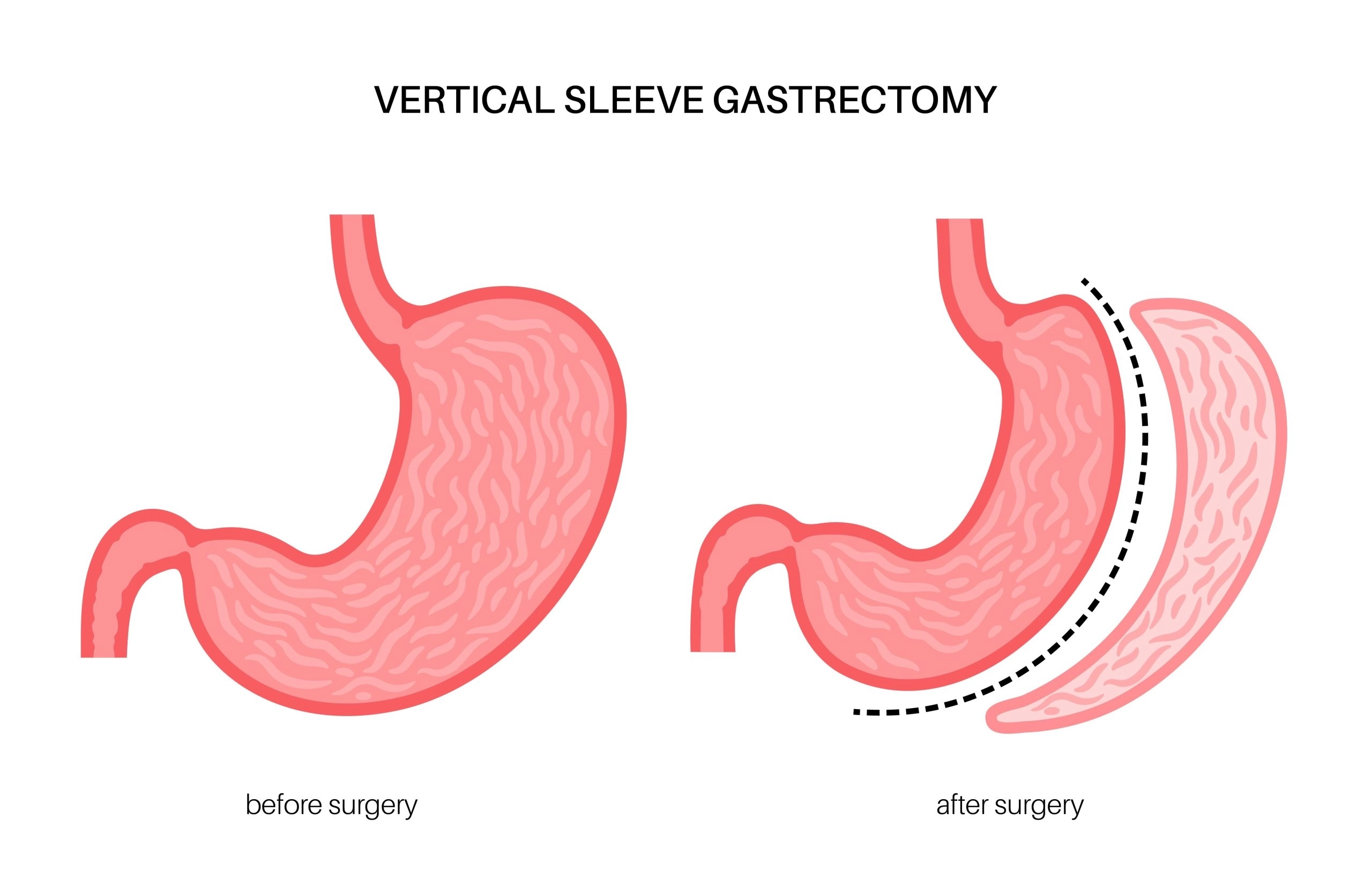
Gastric sleeve surgery is one of the most effective solutions for treating morbid obesity, especially for patients who have not achieved results through diet or exercise. The procedure aims to reduce the size of the stomach, helping patients eat less and lose weight naturally and safely.
Gastric sleeve surgery involves removing about 80% of the stomach, leaving a narrow tube-shaped section, or “sleeve.” This significantly reduces hunger and promotes substantial weight loss.
Dr. Mohamed Omar Ammar emphasizes that the surgery does not affect the absorption of essential nutrients, making it an ideal option for patients suffering from morbid obesity along with chronic diseases such as diabetes and hypertension.
According to Dr. Mohamed Omar Ammar, recent advances in laparoscopic tools and surgical techniques have made gastric sleeve surgery safer and more precise. The procedure is now performed using minimally invasive laparoscopy, which reduces pain, accelerates recovery, and minimizes the risk of infection or postoperative complications.
Recent studies, as Dr. Mohamed Omar Ammar explains, show that patients can lose more than 60% of their excess weight within the first year after surgery. In addition, the operation helps improve blood sugar and cholesterol levels, lower blood pressure, and enhance sleep quality and overall well-being.
Dr. Mohamed Omar Ammar stresses that not all patients are suitable for the surgery — it should only be performed after a comprehensive medical evaluation.
The procedure is most effective for patients with a Body Mass Index (BMI) of 35 or higher, or for those suffering from obesity-related conditions such as diabetes, heart problems, or sleep apnea.
Dr. Mohamed Omar Ammar highlights the importance of regular follow-up after surgery and adherence to dietary and exercise guidelines to maintain results and prevent complications. Patients must also take vitamins and minerals regularly to ensure proper nutrition and long-term health.