
Published on: 2025-10-13 | Written by: Dr. Ahmed Kamal Consultant Obstetrician
Hysterectomy and fibroid removal are delicate surgical procedures that have evolved greatly thanks to laparoscopic surgery. This modern technique has revolutionized gynecological surgery, offering higher precision, less pain, and a much faster recovery time compared to traditional open surgery.
Dr. Ahmed Kamal emphasizes that laparoscopy has become the preferred option for most cases, as it preserves body tissues and provides both aesthetic and medical excellence.
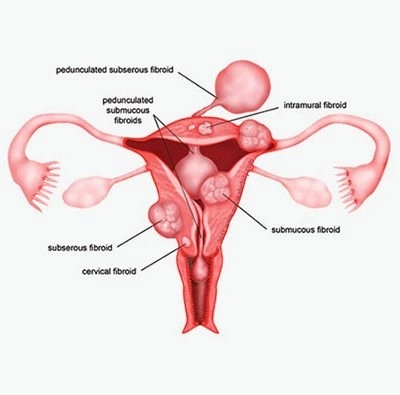
Uterine fibroids are benign tumors that develop within the uterine wall and may cause troublesome symptoms such as heavy bleeding, pelvic pain, or pressure on the bladder and intestines.
Dr. Ahmed Kamal explains that surgery is not always necessary; the treatment depends on the size and location of the fibroid and the severity of symptoms. In some cases, medication is sufficient, while in others, laparoscopic fibroid removal is the most effective solution.
According to Dr. Ahmed Kamal, laparoscopic fibroid removal offers several key advantages:
Very small incisions, often only a few centimeters long.
Less postoperative pain compared to open surgery.
Short recovery time, allowing patients to return to normal life quickly.
Excellent cosmetic results with minimal or no visible scars.
Higher surgical precision, removing the fibroid while preserving healthy uterine tissue.
He adds that this approach is ideal for women of reproductive age who wish to preserve their uterus for future pregnancies.
Dr. Ahmed Kamal explains that laparoscopic hysterectomy is performed in specific cases, such as:
Chronic uterine bleeding that does not respond to medication.
Multiple or large fibroids that significantly affect quality of life.
Severe endometriosis or pelvic adhesions.
Certain cancerous or precancerous conditions.
He stresses that the decision to remove the uterus is made only after a comprehensive medical evaluation and full discussion with the patient to ensure both medical and emotional readiness.
The surgery is performed using advanced laparoscopic instruments and a high-resolution camera, inserted through small incisions in the abdomen. This allows the surgeon to visualize the pelvic organs clearly and perform the procedure with great precision.
After surgery, the patient usually requires a short rest period and can often go home the next day.
Dr. Ahmed Kamal highlights the importance of regular postoperative follow-up to ensure proper healing and prevent complications.
Dr. Ahmed Kamal urges women to seek medical consultation early if they experience abnormal symptoms such as irregular bleeding or persistent pelvic pain. Early diagnosis can make treatment easier and often prevent the need for surgery. He also emphasizes that laparoscopic surgery represents a true revolution in women’s health — providing safety, accuracy, and rapid recovery.