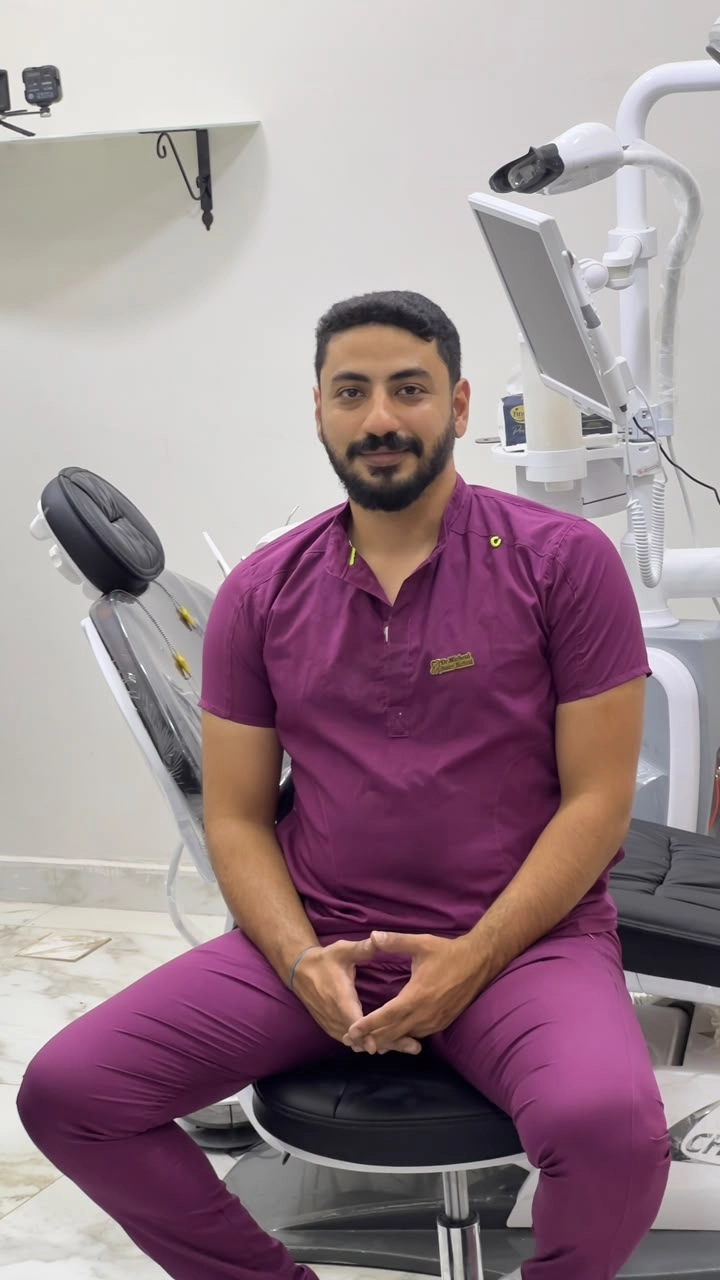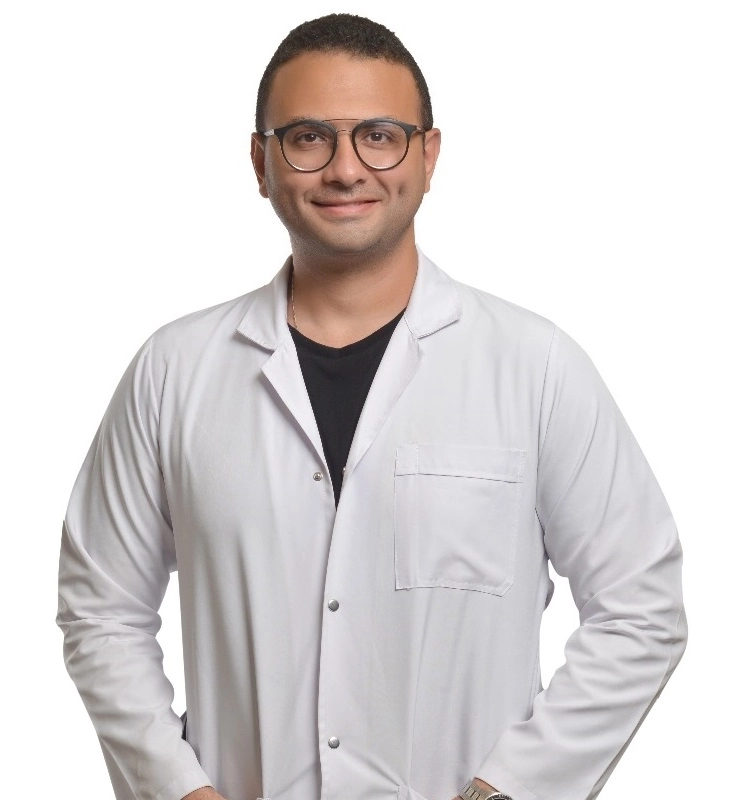

Published on: 2025-10-11 | Written by: Dr. Sherif Ashmawy, Master of Endodontics
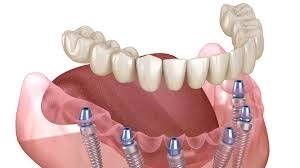
Dr. Sherif Ashmawy explains that fixed and removable dental prosthetics have become essential solutions for restoring both the appearance and function of teeth after loss or damage. These restorations not only enhance the smile’s aesthetics but also improve chewing and speech, positively impacting digestive health and overall quality of life.
Dr. Sherif Ashmawy stresses that fixed prosthetics are used when the supporting teeth are strong enough to hold bridges or crowns, providing a natural appearance and long-term stability.
On the other hand, removable prosthetics are ideal for patients who have lost several teeth; they can be easily removed, cleaned, and reinserted—making them a practical option for elderly patients or those with reduced bone support.
Dr. Sherif Ashmawy confirms that the success of prosthetic treatment depends on accurate diagnosis. The process begins with a comprehensive examination of the teeth and gums using digital X-rays, followed by designing the most suitable restoration for each case.
Then, the mouth is prepared, and the prosthetic is precisely fitted using advanced biocompatible materials that ensure durability and a natural look, with regular follow-up to maintain long-term results.
Dr. Sherif Ashmawy points out that modern dental prosthetics have evolved significantly, being made from lightweight, safe materials such as zirconia and high-quality ceramic. These materials provide a natural feel and an aesthetically pleasing appearance that blends perfectly with real teeth.
Fixed and removable prosthetics also help support facial muscles, maintain jawbone structure, and prevent sagging caused by tooth loss.
Dr. Sherif Ashmawy highlights that daily care is crucial to prolong the life of dental prosthetics. Patients should clean them regularly using a soft brush and special toothpaste, while avoiding extremely hard or sticky foods.
He also recommends visiting the dentist every six months to check the condition of the gums and the stability of the prosthetics.