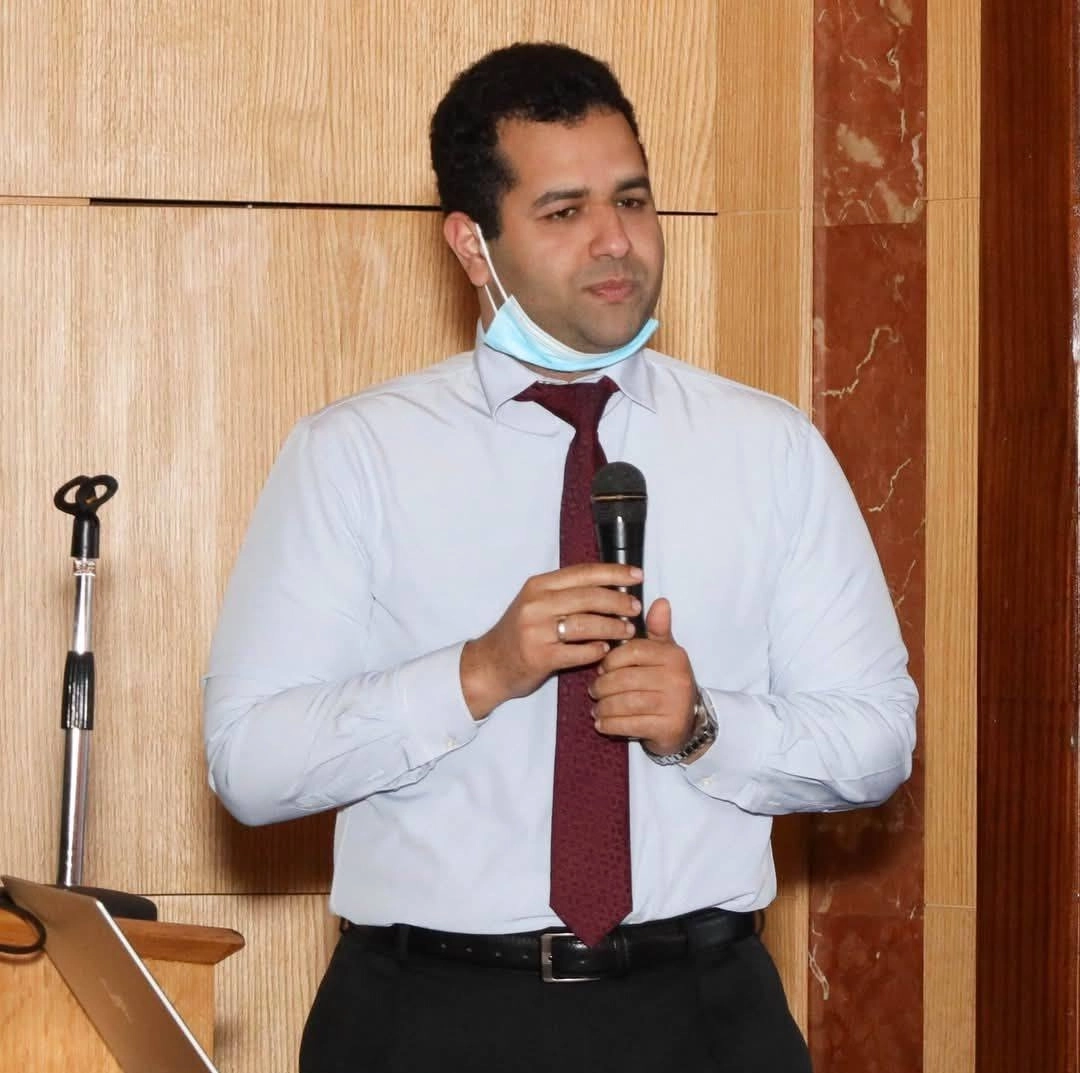
Published on: 2025-10-09 | Written by: Dr. Ahmed Fouad Prof of Gastroenterology

Medical expertise emphasizes that digestive and nutrition problems are common health issues that affect daily life quality.
Dr. Ahmed Fouad stresses that understanding the causes of these problems is the essential first step for treatment and prevention, and he points out that many people overlook the connection between nutrition and digestive health.
Dr. Ahmed Fouad explains that digestive problems occur due to several intertwined factors, including:
Unbalanced diet: Excessive consumption of fatty and fried foods can put pressure on the stomach, leading to bloating and heartburn.
Excessive intake of stimulants: Such as coffee, tea, and soft drinks, which strain the stomach and weaken the body's ability to absorb nutrients.
Stress and psychological pressure: Studies confirm, as Dr. Ahmed Fouad explains, that psychological stress weakens digestion and increases stomach disorders.
Chronic health issues: Such as stomach ulcers or colitis, which stress the need for early detection and careful medical follow-up.
Recent studies emphasize, as Dr. Ahmed Fouad explains, that symptoms to watch for include:
Feeling full and bloated immediately after eating.
Persistent gas and heartburn in the stomach.
Nausea and sometimes loss of appetite.
Changes in bowel movements, such as diarrhea or constipation.
Unexplained weight loss or general fatigue due to poor nutrient absorption.
Dr. Ahmed Fouad explains that poor nutrition resulting from digestive problems can lead to deficiencies in essential vitamins and minerals, stressing that this deficiency may affect:
Immune system: Increasing the risk of infections.
Energy and daily activity: As a person feels constant fatigue and tiredness.
Bone and muscle health: Due to lack of calcium and essential proteins.
Medical recommendations stress that prevention is always better than treatment, and Dr. Ahmed Fouad confirms that preventive steps include:
Following a balanced diet rich in fibers, fruits, and vegetables.
Eating small, frequent meals instead of large heavy meals.
Drinking enough water daily to improve bowel movements.
Avoiding stress and practicing regular exercise to support digestive health.
Consulting a specialist doctor when any chronic or severe symptoms appear.
Regarding treatment, Dr. Ahmed Fouad emphasizes that early diagnosis is vital and may include:
Prescribing medications to reduce acidity and improve digestion.
Using dietary supplements to compensate for vitamin and mineral deficiencies.
Adjusting the diet according to each person's needs and health condition.