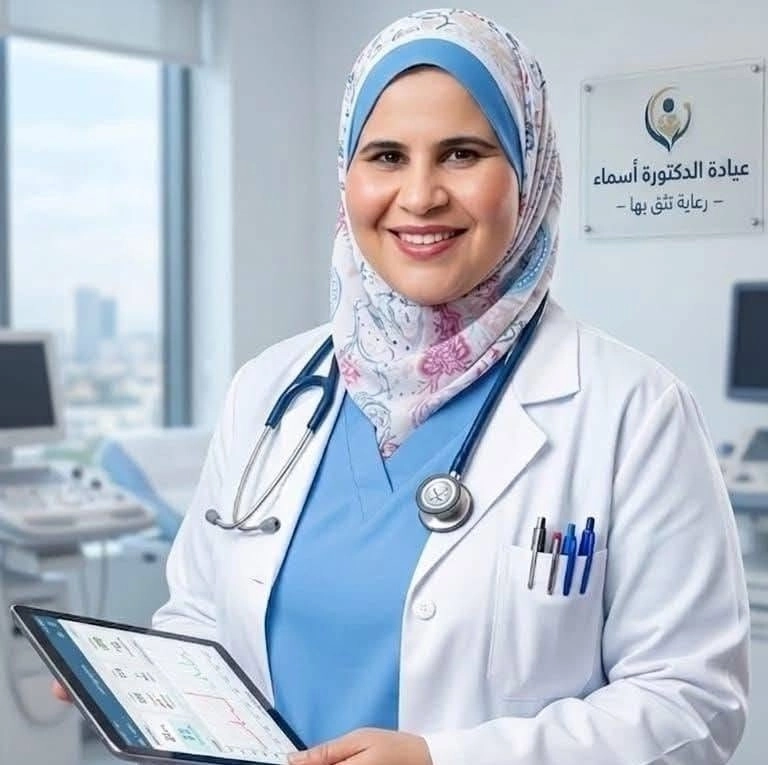

Published on: 2025-10-04 | Written by: Dr. Amani Abdel Rahman, Consultant Obstetrician

Intracytoplasmic Sperm Injection (ICSI) is considered one of the most significant and advanced medical developments in the field of assisted reproductive technology and infertility treatment. It has provided real, achievable hope to millions of couples struggling with delayed childbearing or difficulty in natural fertilization. ICSI is characterized by its high precision, where a single healthy, high-quality sperm is carefully selected and injected directly into a mature, single egg using microscopic instruments under a high-powered microscope. This significantly increases the chances of successful fertilization and the formation of healthy embryos capable of successful uterine implantation.
ICSI represents an advanced evolution of traditional In Vitro Fertilization (IVF), bypassing the natural barriers that might otherwise prevent a sperm from penetrating the outer shell of an egg.
Dr. Amani Abdel Rahman clarifies that ICSI has revolutionized the management of complex infertility cases in couples, providing excellent opportunities for pregnancy even in cases of severe male factor infertility or blocked fallopian tubes in women.
Overcoming Natural Fertilization Barriers: Injecting the genetic material of the sperm directly into the oocyte cytoplasm.
Treating Severe Male Infertility: Utilizing very low numbers of sperm, even when surgically retrieved directly from the testicles.
Overcoming Fallopian and Uterine Tube Issues: Reviving the hope of motherhood for women suffering from severe tubal blockages or pelvic adhesions.
Early Genetic Embryo Screening (PGD/PGS): Detecting genetic disorders and chromosomal abnormalities prior to embryo transfer into the uterus.
There are numerous medical conditions that necessitate resorting to ICSI examinations and techniques to ensure a safe and successful pregnancy.
Dr. Amani Abdel Rahman points out that the success of ICSI depends on a set of integrated factors, most notably the quality of the oocytes and sperm, the wife's age, and the readiness of the uterine lining to receive the embryo. She emphasizes that a comprehensive pre-treatment evaluation of both partners is the primary key to achieving maximum success rates.
Severe Male Factor Infertility: Extremely low sperm count, poor motility, or high morphological abnormalities.
Blocked or Damaged Fallopian Tubes: Preventing the naturally fertilized egg from reaching the uterus.
Endometriosis: Advanced cases that impair egg quality and cause severe pelvic adhesions.
Unexplained Infertility: The absence of pregnancy despite normal baseline physiological findings for both partners.
Severe Polycystic Ovary Syndrome (PCOS): Lack of response to conventional ovulation induction protocols.
The ICSI procedure goes through precise and meticulous medical stages under integrated laboratory and clinical supervision.
Dr. Amani Abdel Rahman advises selecting the appropriate treatment and ovarian stimulation protocol tailored to the woman's ovarian reserve. She emphasizes that careful monitoring via transvaginal ultrasound and hormonal blood tests prevents ovarian hyperstimulation syndrome (OHSS) and ensures the retrieval of top-quality eggs.
Ovarian Stimulation and Follicular Monitoring: Utilizing hormonal medications to stimulate the production of an optimal number of mature eggs.
Egg Retrieval: A minor procedure performed under local or light sedation to collect eggs through the vagina.
Sperm Preparation and Laboratory Incubation: Selecting the most motile and morphologically sound sperm under the microscope.
ICSI Injection and Incubation: Injecting each egg with a single sperm and placing them in specialized incubators to monitor division and embryo formation.
Embryo Transfer: Returning the highest-quality embryos to the uterine cavity on day three or five without the need for anesthesia.
The period following embryo transfer requires special care, along with psychological and physical support for the woman to promote pregnancy maintenance.
Dr. Amani Abdel Rahman stresses that strict adherence to prescribed doses of luteal phase support medications (progesterone) and completely avoiding stress and anxiety are the cornerstones of helping the embryo implant successfully in the uterine lining.
Adhere to Support Medications: Take prescribed pessaries, suppositories, or injections precisely on schedule.
Balanced Rest and Stress Avoidance: Engage in light daily activities without strenuous physical exertion or heavy lifting.
Healthy, Balanced Nutrition: Consume fiber- and protein-rich foods while drinking adequate amounts of water to prevent constipation.
Avoid Excessive Heat and Chemicals: Refrain from very hot baths or using vaginal douches without medical consultation.
Perform a Quantitative Blood Pregnancy Test (Beta-hCG): On the fourteenth day following embryo transfer to accurately verify pregnancy.
Comprehensive Pre-Evaluation: Assess the uterine cavity via hysteroscopy and monitor clotting and thyroid function tests.
Smart Embryo Freezing: Transfer embryos in a subsequent frozen cycle if the uterine lining is not optimal during a fresh cycle.
Adopt a Healthy Lifestyle for Both Partners: Quit smoking, manage body weight, and take vitamins and nutritional supplements to enhance reproductive cell quality.
Maintain Ongoing Follow-Ups with Your Specialist:
Dr. Amani Abdel Rahman emphasizes in her concluding advice that ICSI is no longer just a medical attempt; rather, it is a comprehensive scientific pathway that carries true hope and a notable increase in success rates. She points out that patience, strict adherence to medical guidance, and trust in modern technologies are essential steps to fulfill the dream of parenthood and build healthy, happy families.