
Published on: 2025-09-30 | Written by: Dr. Abdel Rahman Youssef, Consultant General
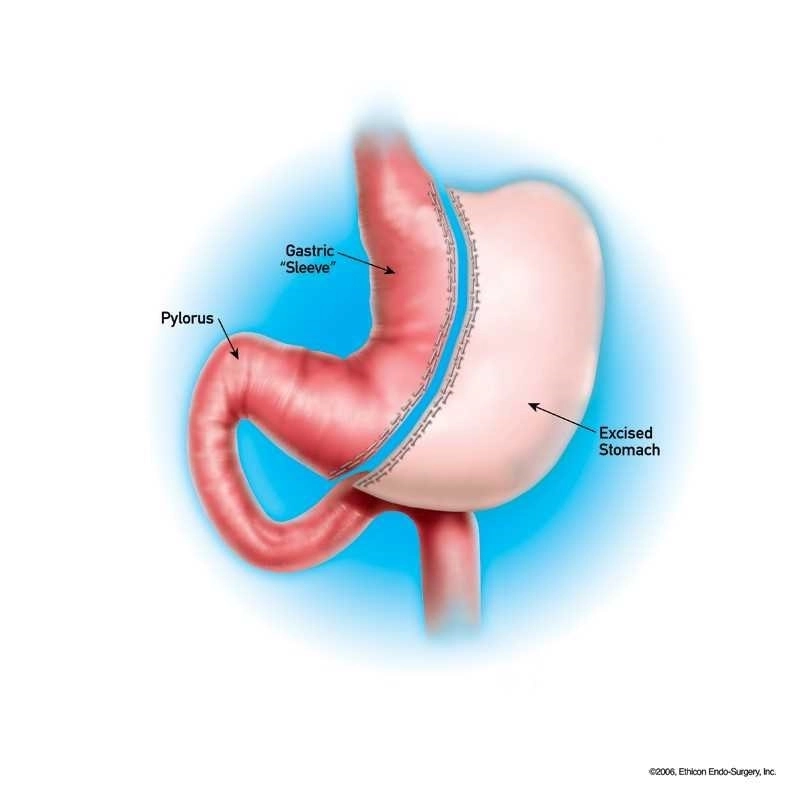
Bariatric surgery is considered one of the most advanced and effective medical solutions for treating morbid obesity, which has become one of the most common health problems in modern times. Obesity affects all body organs and increases the risk of chronic diseases such as diabetes, high blood pressure, heart disease, and sleep apnea, making surgical intervention an effective option for patients who did not respond to traditional methods like diets or exercise.
Bariatric surgeries vary to suit each patient individually. The most common types include:
Gastric Sleeve: Reducing stomach size to limit food intake.
Gastric Bypass: Redirecting food flow to reduce calorie absorption.
Gastric Banding: Placing a band to control food intake.
Gastric Balloon: A non-surgical procedure that helps create early satiety.
Here, Dr. Abdel Rahman Yous emphasizes that the choice of surgery depends on the patient’s health condition, weight, associated diseases, and thorough medical evaluation.
Significant and sustainable weight loss.
Better control of diabetes.
Reduction of high blood pressure.
Improved heart and vascular health.
Increased energy levels and enhanced quality of life.
Dr. Abdel Rahman Yous stresses that bariatric surgeries are not only about weight loss, but also about improving overall health and reducing the risks of chronic diseases.
Like any surgical procedure, bariatric surgery may involve risks such as bleeding, infection, or vitamin deficiencies due to reduced absorption.
Dr. Abdel Rahman Yous confirms that regular medical follow-up after surgery is essential to achieve the best results and avoid complications.
Recovery after surgery requires the patient’s commitment to a healthy lifestyle, which includes:
Following a balanced diet.
Exercising regularly.
Taking supplements when needed.
Dr. Abdel Rahman Yous clarifies that the success of the surgery greatly depends on the patient’s compliance with medical instructions. Surgery is not the final solution alone, but rather the beginning of a new journey toward a healthier life.