

Published on: 2025-06-14 | Written by: Dr Michael Bassely Consultant of Dermatology and Venereology
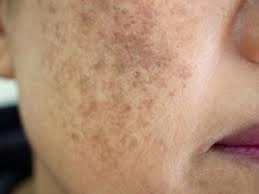
Skin pigmentation is one of the most common dermatological and cosmetic issues affecting both men and women. According to Dr. Michael Basily, understanding the underlying causes of pigmentation is essential for successful treatment and restoring an even, healthy skin tone.
Skin pigmentation occurs due to an increase or uneven distribution of melanin, the pigment responsible for skin color. This results in dark spots or patchy discoloration, commonly appearing on the face, neck, hands, or other areas of the body.
This is the most common cause. UV rays stimulate melanin production, leading to sunspots, freckles, and melasma.
Particularly during pregnancy or when taking birth control pills, which can cause "pregnancy melasma."
Dark spots may appear after acne, burns, wounds, or skin inflammation.
Some drugs, like antibiotics or hormonal treatments, may trigger pigmentation changes.
Conditions like eczema or psoriasis may leave pigmented patches after healing.
A hereditary tendency toward pigmentation issues such as freckles or melasma.
Apply a broad-spectrum sunscreen (SPF 50+) daily
Avoid sun exposure during peak hours (10 a.m. to 4 p.m.)
Use skin care products free from irritants and harsh chemicals
Helps remove pigmented outer skin layers and stimulates skin renewal.
Targets deep pigmentation, improving skin tone and texture.
Cleanses and brightens the skin, reducing pigment spots.
Involves injecting brightening and nourishing agents directly into the skin.
Regenerates skin cells and reduces pigmentation caused by aging or inflammation.
Containing ingredients like hydroquinone, vitamin C, retinol, and kojic acid.
Follow treatment protocols consistently under medical supervision
Moisturize daily with dermatologist-recommended products
Avoid unverified cosmetic products
Exfoliate the skin periodically—but always with professional guidance