
Published on: 2025-09-27 | Written by: Dr. Hadeer Hossam Abdel Qader Physical Therapy
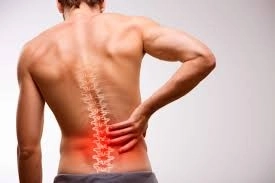
Back pain and sciatica are common conditions that affect mobility and the ability to perform daily activities. Symptoms may range from mild lower back pain to pain that radiates to the buttocks and leg, sometimes accompanied by numbness or tingling. Identifying the cause of the pain and choosing the appropriate treatment can help improve mobility and reduce the impact of the condition on quality of life.
Physical therapy is an important approach to managing many cases of back pain and sciatica. It relies on therapeutic exercises, muscle strengthening, improved flexibility, and proper movement techniques according to the nature of each condition and the severity of symptoms.
What Causes Back Pain?
Back pain can occur for several reasons, including muscle strain, disc problems, poor posture, and certain changes affecting the spine. Pain may appear suddenly after an incorrect movement or develop gradually due to prolonged sitting or repeated movements that strain the muscles.
The most common causes of back pain include:
Muscle strain and stress caused by lifting heavy objects.
Sitting for long periods in improper positions.
Lumbar disc herniation.
Weak back and abdominal muscles.
Physical inactivity and poor fitness.
Injuries to the muscles and ligaments surrounding the spine.
Certain vertebral and joint problems.
Treatment varies depending on the cause of the pain. Therefore, a professional assessment is recommended if symptoms persist, recur, or interfere with movement.
What Is Sciatica?
Sciatica is pain caused by irritation or compression of the sciatic nerve, which extends from the lower back through the buttocks and down the leg. It may be associated with lumbar disc herniation, spinal canal narrowing, or other conditions that affect the nerves.
Symptoms of sciatica include:
Lower back pain that radiates to the buttocks or one leg.
Numbness or tingling in the leg or foot.
Burning sensations or sharp pain along the course of the nerve.
Increased pain with certain movements or prolonged sitting.
Weakness in the leg or foot muscles in some cases.
Symptoms vary in severity from one person to another. Pain in the leg does not necessarily mean that a person has sciatica, as diagnosis requires an assessment of the symptoms and a medical examination.
The Difference Between Back Pain and Sciatica
Although the two conditions may occur together, there are some differences:
Back pain: May be limited to the lower back and is often associated with muscle strain or problems affecting the vertebrae and joints.
Sciatica: Usually involves pain radiating from the lower back or buttocks down the leg due to irritation or compression of the sciatic nerve.
Associated symptoms: Sciatica may be accompanied by numbness, tingling, or muscle weakness, while the symptoms of back pain vary according to the underlying cause.
Distinguishing between these conditions helps determine the appropriate treatment and whether additional investigations are needed.
Treatment of Back Pain Through Physical Therapy
Physical therapy can help manage many cases of back pain, particularly those associated with muscle strain or certain movement problems. The treatment program aims to relieve pain, improve spinal flexibility, and strengthen the muscles that support the spine.
The main physical therapy methods include:
Muscle-strengthening exercises: Strengthen the back and abdominal muscles and improve spinal support.
Flexibility and stretching exercises: Help reduce stiffness and improve the range of motion.
Movement rehabilitation: Gradually restores the ability to walk, bend, and perform daily activities.
Posture correction: Reduces strain caused by improper sitting and standing positions.
Manual therapy when needed: May be used as part of a comprehensive program according to the assessment.
Home-care guidance: Teaches patients how to move correctly and avoid habits that worsen pain.
Appropriate exercises are selected according to the patient's condition, while movements that aggravate symptoms or cause severe pain should be avoided.
Treatment of Sciatica and Sciatic Nerve Irritation
Treatment for sciatica depends on the underlying cause of irritation or compression of the sciatic nerve. In many cases, conservative treatment can be started under medical supervision and may include physical therapy, appropriate exercises, and modifications to daily activities.
Treatment methods may include:
Gradual movement exercises according to the patient's ability.
Exercises to strengthen the muscles supporting the back and pelvis.
Flexibility exercises when appropriate for the condition.
Training in correct sitting, standing, and movement positions.
Organizing sitting periods and avoiding remaining in one position for too long.
Gradual rehabilitation to resume daily activities.
Not all exercises are suitable for every case of sciatica. Exercises should therefore be selected according to the symptoms and assessment findings, especially when numbness or muscle weakness is present.
The Relationship Between Disc Herniation, Back Pain, and Sciatica
A herniated disc occurs when part of one of the discs between the vertebrae extends beyond its normal boundaries. This may place pressure on nearby nerves or irritate them. When a herniated disc develops in the lumbar region, it may cause lower back pain that radiates down the leg, which can be associated with sciatica.
Symptoms vary according to the location and severity of the herniation and the extent of nerve involvement. Treatment may include relative rest for a short period when needed, a gradual return to movement, physical therapy, and medications prescribed by a physician according to the condition. Some cases require specialist assessment to determine whether additional treatments are necessary.
Finding a herniated disc on an imaging scan does not necessarily mean that surgery is required. The decision depends on the symptoms, examination findings, and response to treatment.
Tips for Reducing Back Pain and Sciatica
Certain habits may help reduce strain on the back and improve mobility, including:
Avoid sitting for long periods without changing position.
Maintain proper posture while working or using a computer.
Bend the knees and use proper lifting techniques, while avoiding heavy loads when pain increases.
Practice walking and gradual movement according to physical ability.
Follow the therapeutic exercises prescribed by a specialist.
Avoid complete rest for prolonged periods unless medically recommended.
Maintain a healthy weight to reduce pressure on the spine.
Avoid vigorous exercises or sudden movements that worsen symptoms.
When Should You See a Doctor?
Certain symptoms require urgent medical assessment, particularly sudden or progressive weakness in the leg, loss of bladder or bowel control, new difficulty walking, or numbness around the genital area. These signs may indicate serious nerve compression requiring immediate intervention.
You should also consult a physician if back pain is accompanied by fever, develops after a significant injury, continues to worsen, or is associated with unexplained weight loss.
Treatment of Back Pain and Sciatica at Experts Physio House Clinic
Experts Physio House Clinic provides physical therapy and clinical nutrition services, including rehabilitation programs for back pain, sciatica, and cervical and lumbar disc problems. The clinic also offers services aimed at improving mobility and strengthening muscles according to each patient's needs.
Physical therapy and rehabilitation services include:
Physical therapy programs for lower back pain.
Rehabilitation for sciatica.
Rehabilitation programs for lumbar and cervical disc herniation.
Exercises to strengthen the back and abdominal muscles.
Treatment for muscle strains and ligament problems.
Rehabilitation sessions following surgical procedures.
Rehabilitation for certain neurological and movement disorders, according to the assessment.
Exercises to improve flexibility, balance, and mobility.
Conclusion
Back pain and sciatica require identifying the underlying cause before selecting the appropriate treatment. When suitable for the condition, physical therapy can help relieve pain, improve flexibility, strengthen muscles, and gradually restore mobility. Following appropriate exercises and modifying daily habits are important parts of rehabilitation. Medical assessment is essential if symptoms persist or signs of nerve involvement develop.