
Published on: 2025-09-23 | Written by: Dr. Walid Othman, Professor and Consultant of Cardiology
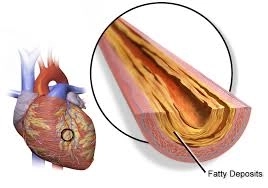
Dr. Walid Otman explains that chronic occlusion refers to a severe or complete blockage of a coronary artery that persists for a long period, often accompanied by calcification that makes treatment more complex. This condition requires precise interventional catheterization techniques.
Dr. Walid Otman emphasizes that neglecting the treatment of chronic occlusions leads to reduced blood supply to the heart muscle, increasing the risk of heart attacks or heart failure. Therefore, early diagnosis and timely intervention are essential.
Dr. Walid Otman confirms that interventional catheterization using advanced tools such as calcium-breaking devices and drug-eluting stents has become one of the best solutions for treating calcified arteries, restoring blood flow and preserving heart health.
Dr. Walid Otman warns that successful treatment starts with precise diagnosis through advanced tests such as ECG, echocardiography, and CT coronary angiography. These tests help determine the extent of calcification and guide the most suitable treatment plan.
Dr. Walid Otman highlights that medical follow-up after catheterization is crucial to maintain open arteries. This includes strict adherence to prescribed medications, controlling risk factors such as hypertension, diabetes, and cholesterol, as well as adopting lifestyle changes to prevent recurrence.