

Published on: 2025-09-11 | Written by: Dr. Mona Ziyada, Endocrinology and Diabetes
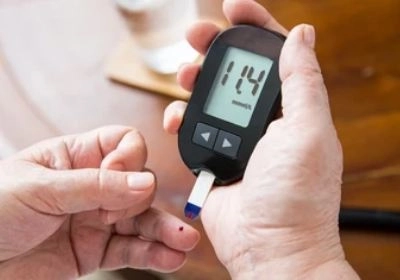
Diabetes Mellitus is one of the most prevalent metabolic disorders worldwide. It is a chronic condition characterized by elevated blood glucose levels resulting from a lack of insulin secretion, impaired cellular response to insulin (insulin resistance), or both. Managing this condition extends far beyond simply taking medication; it fundamentally relies on accurate diagnosis and continuous, routine follow-up to prevent complications and secure a healthy quality of life for the patient.
1. How is Diabetes Diagnosed and What Are the Approved Tests?
Accurate medical diagnosis relies on performing a set of laboratory tests to measure blood glucose levels, which help determine the specific type of diabetes (Type 1, Type 2, or Gestational Diabetes).
Dr. Mona Ziada clarifies that early diagnosis serves as the cornerstone of disease management. Detecting blood sugar abnormalities during the "prediabetes" stage offers patients a golden opportunity to restore normal levels through lifestyle modifications without the immediate need for intensive pharmacological treatments.
Primary Approved Diagnostic Tests:
Fasting Plasma Glucose (FPG): Measures blood glucose after an overnight fast of at least 8 hours (normal level is below 100 mg/dL).
Hemoglobin A1c (HbA1c) Test: Reflects average blood sugar levels over the preceding three months (a result of 6.5% or higher indicates diabetes).
Random Blood Sugar Test: Performed at any time; a level exceeding 200 mg/dL alongside symptoms like extreme thirst and frequent urination indicates diabetes.
Oral Glucose Tolerance Test (OGTT): Frequently used to diagnose gestational diabetes or equivocal cases.
2. Routine Follow-Up Protocol for Diabetic Patients
The medical role does not end once a diagnosis is established; rather, it marks the beginning of an ongoing monitoring track to evaluate treatment plan efficacy and glucose stability.
Dr. Mona Ziada points out that routine follow-up is not limited to daily home self-monitoring. It requires a structured schedule of regular laboratory and clinical examinations to ensure that HbA1c levels remain within the target range customized for each patient based on age and overall health status.
Essential Routine Check-Up Schedule:
Daily Home Self-Monitoring: Testing blood sugar before and after meals to track daily fluctuations.
HbA1c Analysis (Every 3 to 6 Months): To assess treatment plan effectiveness and adjust dosages when necessary.
Kidney Function & Microalbuminuria Test (Annually): For early detection of any renal glomerular impairment.
Lipid Profile & Cholesterol Test (Annually): To protect blood vessels and the heart from atherosclerosis.
3. Preventing Diabetes Complications and the Importance of Comprehensive Screening
Neglecting routine monitoring or experiencing persistently unstable blood sugar levels leads to long-term damage to both microvascular and macrovascular structures across various organs.
Dr. Mona Ziada advises patients to undergo specialized annual examinations, including dilated eye exams and neurological foot evaluations, emphasizing that early detection of tissue changes prevents progression to diabetic retinopathy or foot ulcers.
Primary Target Organs for Preventive Screening:
Eyes and Retina: Annual dilated fundus exams to guard against diabetic retinopathy and cataracts.
Peripheral Nerves and Vessels: Regular checks of sensation and peripheral pulses in the feet to prevent diabetic foot complications.
Cardiovascular System: Blood pressure measurement during every clinical visit, alongside ECG monitoring when indicated.
4. Lifestyle and Medical Nutrition in Daily Management
Pharmacological therapies (whether insulin or oral hypoglycemic agents) constitute only half of the management plan; the other half relies on daily behavioral modifications and nutrition.
Dr. Mona Ziada stresses that diabetes management is a collaborative process between doctor and patient. Adhering to a balanced, low-carbohydrate diet and engaging in regular physical activity enhances cellular insulin sensitivity and helps reduce required medication dosages.
Daily Self-Management Steps:
Balanced Nutrition: Counting carbohydrates and relying on foods with a low glycemic index and high fiber content.
Regular Physical Activity: Exercising, such as walking for 150 minutes per week, to improve metabolic function.
Managing Hypoglycemia: Keeping a fast-acting glucose source at hand and recognizing symptoms like sweating and dizziness.
Adequate Hydration: Drinking sufficient water to support renal perfusion and facilitate the excretion of excess glucose.
5. Golden Rules for Living Safely with Diabetes
Adhere to Medication Schedules and Doses: Avoid making self-directed dose adjustments without medical consultation.
Maintain a Digital or Written Log of Readings: To review with your physician during regular visits.
Complete Smoking Cessation: To minimize the risk of arterial blockages and cardiac events.
Continuous Follow-Up with a Specialist:
Dr. Mona Ziada emphasizes in her concluding advice that diabetes is no longer an obstacle to living an active, fulfilling life. Awareness, coupled with strict adherence to screenings and routine follow-up, is the ultimate safeguard for controlling the condition and protecting the body against future complications.