
Published on: 2025-09-10 | Written by: Dr. Essam Ghallab, Therapeutic Nutrition
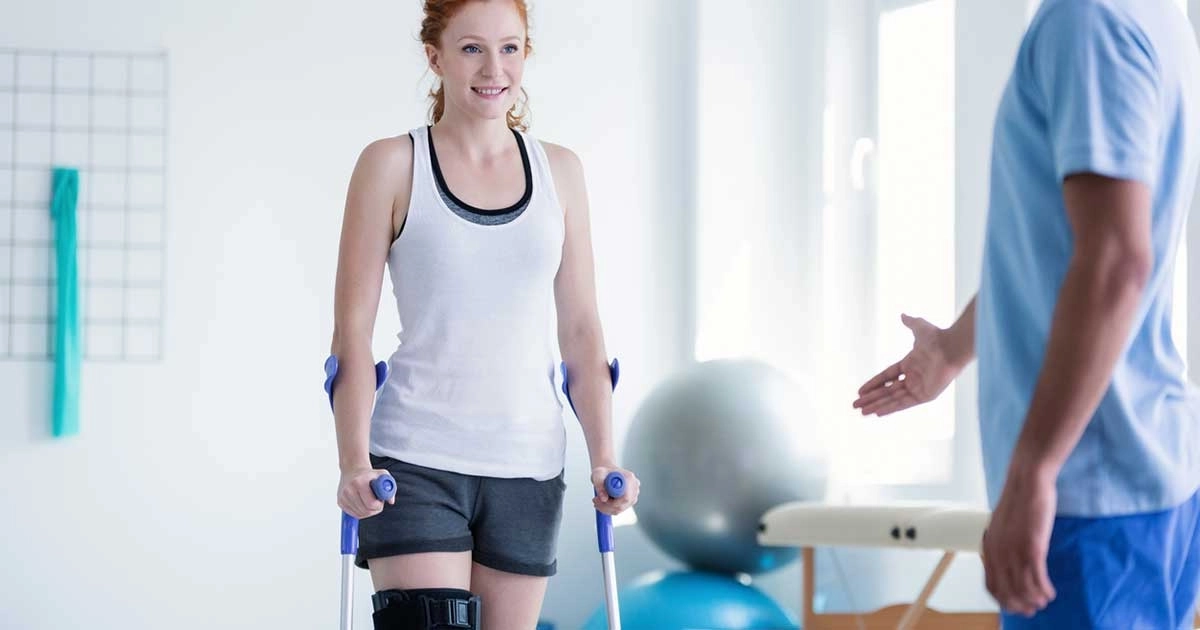
ACL and meniscus injuries are among the most common knee injuries, directly affecting movement, balance, and athletic performance.
Dr. Essam Ghalab confirms that a proper post-injury or post-surgery rehabilitation program is the key factor in restoring strength, flexibility, and normal knee function.
Restoring the strength of muscles around the knee to prevent recurrent injuries.
Improving range of motion and flexibility after surgery or conservative treatment.
Enhancing balance and motor coordination to avoid falls or muscle strain.
Accelerating the return to sports and daily activities safely.
Dr. Essam Ghalab emphasizes that adhering to the rehabilitation program significantly reduces the risk of future injuries and promotes complete recovery.
Phase 1: Reducing Pain and Swelling
Includes physical therapy, ice, and knee elevation to decrease inflammation and improve comfort.
Phase 2: Restoring Range of Motion
Involves gentle exercises to gradually move the knee and increase flexibility.
Phase 3: Strengthening Muscles
Exercises to strengthen the thigh and surrounding knee muscles restore knee support and reduce stress on the meniscus.
Phase 4: Balance and Coordination
Exercises for stability, balance, and muscle control to prevent falls and improve daily and athletic performance.
Dr. Essam Ghalab stresses that the program must be customized for each patient depending on injury type and age to ensure the best results.
Faster recovery and pain reduction.
Preventing knee stiffness and loss of motion.
Increasing strength, flexibility, and mobility.
Improving athletic and functional performance after injury.
Dr. Essam Ghalab confirms that continuous follow-up with a physical therapy specialist helps achieve full recovery and minimize long-term knee complications.