
Published on: 2025-09-09 | Written by: Professor Dr. Ahmed Mohamed Madra, Professor of Oral, Maxillofacial and Plastic Surgery
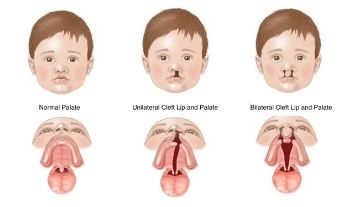
Cleft lip and cleft palate are among the most common congenital anomalies that affect children from birth. They have a direct impact on facial appearance as well as on speech, swallowing, and breathing functions.
Dr. Ahmed Mohamed Modrah confirms that early surgical intervention is essential in treating these conditions, offering children the chance to live a normal and healthy life.
Improving facial aesthetics and restoring natural harmony.
Facilitating speech and communication in children.
Supporting feeding and nutrition more effectively.
Reducing health complications such as recurrent ear infections or swallowing difficulties.
Dr. Ahmed Mohamed Modrah emphasizes that early diagnosis and a clear treatment plan are the keys to achieving the best long-term outcomes.
Treatment usually begins within the first months of a child’s life. The surgery aims to:
Close the cleft and rebuild the lip naturally.
Reconstruct lip muscles to improve vital functions.
Restore facial balance to enhance the child’s confidence in the future.
Here, Dr. Ahmed Mohamed Modrah confirms that the success of the surgery depends on the surgeon’s expertise and the use of advanced techniques to ensure natural and lasting results.
Cleft palate requires precise surgery designed to:
Close the gap between the mouth and nose to prevent food and liquids from leaking.
Improve speech and the ability to communicate clearly.
Prevent recurrent ear infections that may result from palate dysfunction.
Dr. Ahmed Mohamed Modrah stresses that post-surgery rehabilitation is very important, as the child often requires follow-up with a multidisciplinary team, including speech and language therapists, to achieve the best outcomes.
Speech therapy sessions to help the child develop correct pronunciation.
Regular follow-ups to ensure surgical success and avoid complications.
Psychological and social support for both the child and the family.
Dr. Ahmed Mohamed Modrah underlines that treatment goes beyond the surgery itself, extending into the post-operative stage and continuous rehabilitation, ensuring a fully integrated and healthy life for the child.