

Published on: 2025-09-07 | Written by: Professor Dr. Ahmed Mohamed Madra, Professor of Oral, Maxillofacial and Plastic Surgery
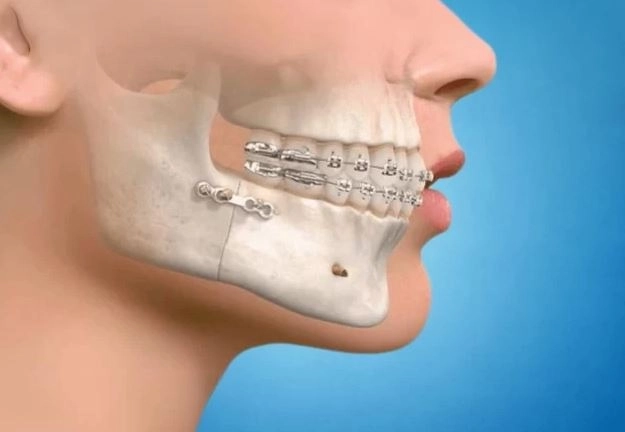
Maxillofacial surgery is one of the most precise medical specialties, aiming to correct deformities, restore natural functions, and enhance facial and jaw aesthetics.
Dr. Ahmed Mohamed Madra confirms that modern techniques in maxillofacial surgery help patients recover safely and quickly with accurate and natural results.
Maxillofacial surgery plays a key role in:
Correcting jaw and facial deformities caused by accidents or congenital defects.
Restoring the ability to chew and speak normally.
Improving facial structure and skeletal balance.
Enhancing aesthetic appearance and boosting patient confidence.
Dr. Ahmed Mohamed Madra emphasizes that early surgical intervention ensures better outcomes and reduces complications.
Congenital or acquired deformities in the jaw or face.
Jaw or facial fractures due to accidents.
Temporomandibular joint disorders affecting movement and causing pain.
Dental and jaw problems affecting chewing and speech.
Dr. Ahmed Mohamed Madra warns that careful preoperative assessment ensures patient safety and surgical success.
Reconstructive surgery for the jaw and face to repair fractures and deformities.
Temporomandibular joint correction to improve movement and reduce pain.
Facial cosmetic surgery to achieve natural balance and aesthetics.
Orthognathic surgery for the jaw and teeth to ensure optimal function.
Dr. Ahmed Mohamed Madra confirms that selecting the appropriate technique depends on the patient’s condition and individual needs to guarantee the best results.
Restoring natural jaw and oral functions.
Correcting deformities and improving aesthetic appearance.
Reducing pain and related complications.
Precise, natural results with faster recovery.
Dr. Ahmed Mohamed Madra emphasizes that careful postoperative follow-up is essential to maintain results and achieve full recovery.