
Published on: 2025-09-07 | Written by: Prof. Dr. Sameh Mustafa, Professor of Vascular
Vascular catheterization is considered one of the most important and advanced medical techniques in the field of treating arterial and venous diseases, playing a vital role in both diagnosis and treatment without the need for major surgery.
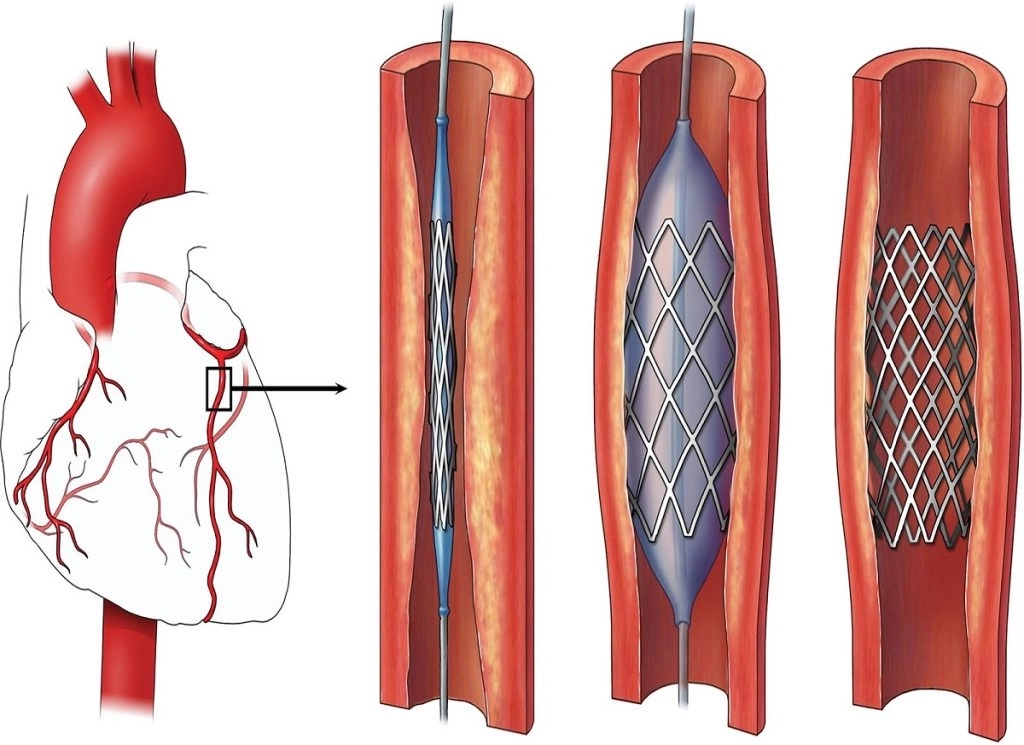
Vascular catheterization is a procedure in which a thin tube (catheter) is inserted into the blood vessels under X-ray guidance. Through this catheter, a medical dye can be injected to accurately visualize the arteries and detect areas of narrowing or blockage.
Dr. Samah Mostafa confirms that this technique is a medical revolution in vascular care, providing physicians with precise diagnosis and allowing immediate intervention.
Catheterization is one of the most accurate methods for diagnosing vascular diseases such as atherosclerosis or coronary artery blockages.
Dr. Samah Mostafa stresses that early diagnosis through catheterization helps in choosing the appropriate treatment before the condition worsens.
The role of catheterization is not limited to diagnosis; it is also used in:
Balloon angioplasty to open narrowed arteries.
Stent placement to prevent arteries from re-closing.
Removing blood clots from vessels.
Dr. Samah Mostafa confirms that these procedures have significantly reduced the need for open surgeries, ensuring faster recovery and fewer complications.
The key benefits of catheterization include:
Less pain and faster hospital discharge.
Lower risk of complications.
Quick return to daily activities.
High success rates in restoring blood flow.
Dr. Samah Mostafa emphasizes that these benefits have made catheterization the ideal solution for many patients.
A patient may need vascular catheterization in the following cases:
Severe narrowing or blockage of the arteries.
Peripheral arterial disease.
Blood clots affecting circulation.
Critical ischemia threatening the limbs.
Dr. Samah Mostafa warns that early intervention with catheterization can prevent serious complications such as heart attacks or limb amputations.