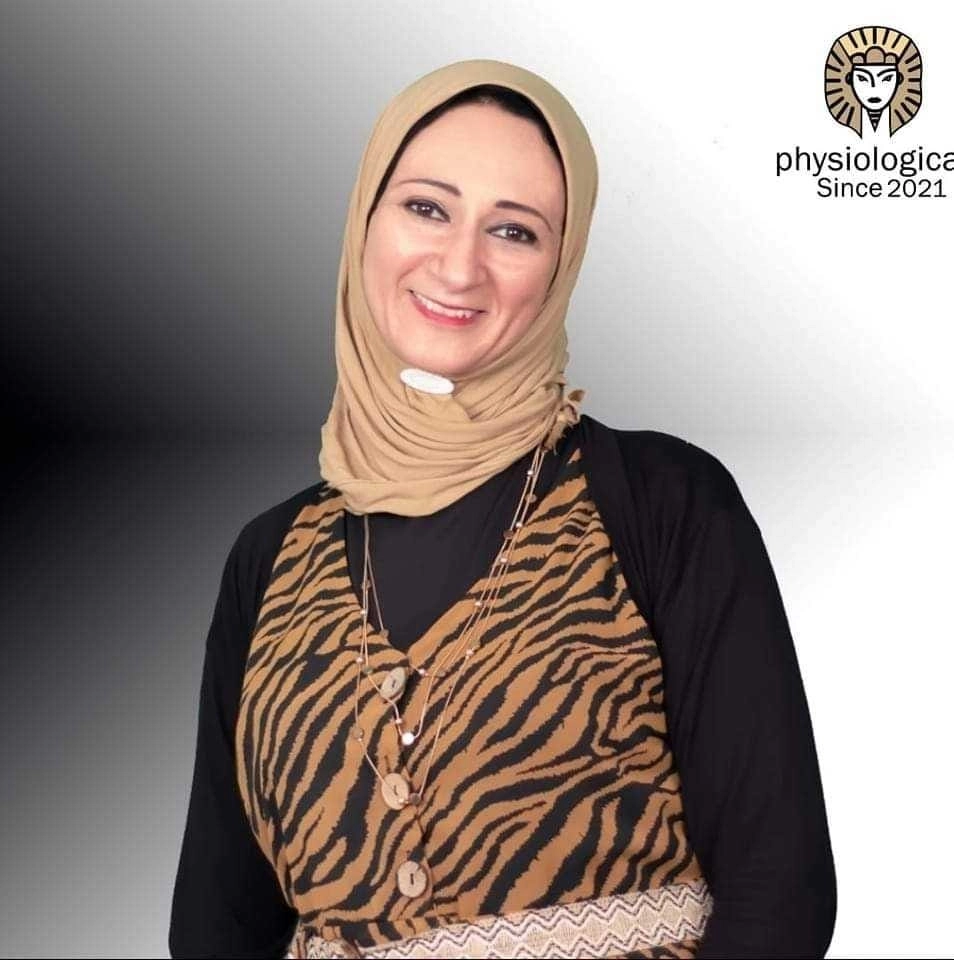

Published on: 2025-06-12 | Written by: Dr. Sarah Mustafa Habiba PhD in Mental Health

Obsessive-Compulsive Disorder (OCD) is a common mental health condition that directly affects an individual’s thoughts, behaviors, and daily life. People with OCD experience persistent, intrusive thoughts that are difficult to control, often followed by compulsive behaviors performed to reduce anxiety.
Dr. Sara Mostafa Habiba emphasizes that OCD is not a sign of weak character or lack of faith; it is a psychological disorder with clear causes and can be effectively treated using scientific methods.
OCD is characterized by:
Obsessive thoughts: unwanted recurring ideas such as fear of contamination, persistent doubt, or thoughts of harming oneself or others.
Compulsive behaviors: repeated actions like excessive washing, constant checking, or extreme counting and arranging.
Dr. Sara Mostafa Habiba explains that individuals with OCD are often aware that these thoughts are irrational, yet they feel powerless to stop them without specialized treatment.
The causes of OCD are diverse and include psychological, biological, and social factors, such as:
Imbalances in brain chemicals, particularly serotonin
Severe psychological stress or trauma
Genetic predisposition
Strict upbringing or excessive childhood anxiety
Dr. Sara Mostafa Habiba emphasizes that identifying the root cause helps in developing a personalized treatment plan for each patient.
OCD can lead to:
Mental and emotional exhaustion
Reduced concentration and productivity
Strained social and family relationships
Persistent feelings of guilt and anxiety
Dr. Sara Mostafa Habiba notes that ignoring symptoms or delaying treatment may worsen the condition and increase the dominance of obsessive thoughts in the patient’s life.
OCD treatment typically involves a comprehensive plan that includes:
Cognitive-behavioral therapy (CBT)
Training patients to face obsessive thoughts without performing compulsive behaviors
Lifestyle adjustments and stress reduction techniques
Dr. Sara Mostafa Habiba confirms that consistent psychotherapy achieves significant positive outcomes, especially with adherence to the treatment plan and continuous follow-up.
Psychological support from family and the patient’s environment plays a crucial role in recovery, helping reduce feelings of isolation and boosting confidence in treatment.
Dr. Sara Mostafa Habiba stresses that regular follow-up ensures sustained improvement, prevents relapse, and equips patients with tools to handle future stress effectively.
Dr. Sara Mostafa Habiba emphasizes that seeking help at the right time is the first real step toward healing and achieving long-term mental well-being.