
Published on: 2025-09-06 | Written by: Dr. Haitham Al-Maleh, Prof of General Surgery
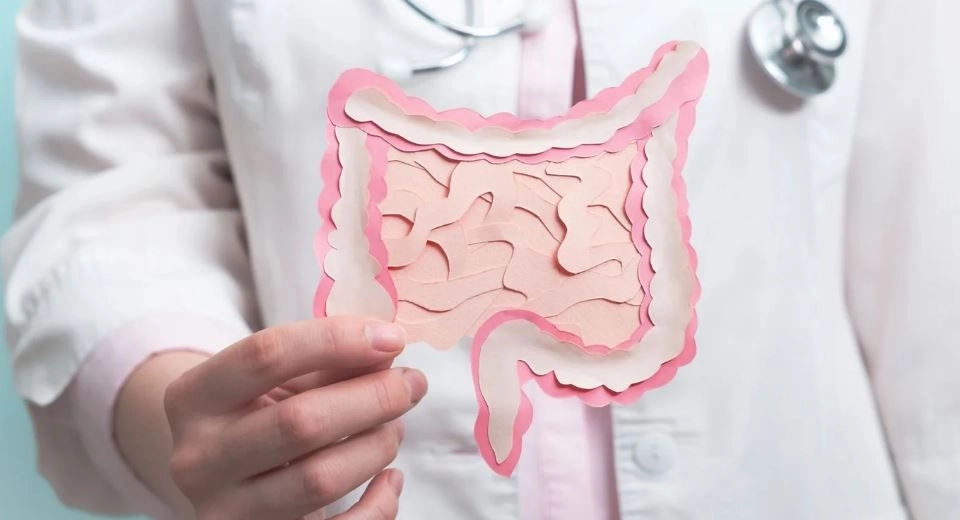
Gastrointestinal surgery is one of the most precise and important medical specialties that aims to treat stomach, intestinal, liver, gallbladder, and pancreas diseases.
These surgeries help restore normal digestive functions and improve patients’ quality of life, whether through traditional or laparoscopic procedures, reducing complications and accelerating recovery time.
Dr. Haitham Mostafa Al-Maleh confirms that medical advancements in this field have enabled highly precise and safe operations, minimizing pain and increasing the chances of rapid recovery.
Gastrointestinal surgeries are essential for treating complex cases that do not respond to medication or minor interventions.
Treat chronic stomach ulcers or intestinal obstruction.
Remove benign or malignant tumors in the stomach or intestines.
Treat chronic liver diseases, such as cirrhosis or liver tumors.
Remove gallstones or address biliary tract problems.
Dr. Haitham Mostafa Al-Maleh emphasizes that early diagnosis helps select the most suitable type of surgery and reduces potential complications.
There are several types of gastrointestinal surgeries, including:
Stomach and intestinal surgery: to treat ulcers, obstructions, and tumor removal.
Liver and gallbladder surgery: for gallstones and various liver diseases.
Pancreatic surgery: to treat pancreatic inflammation and tumors.
Laparoscopic surgeries: less invasive methods for most procedures, reducing pain and accelerating recovery.
Modern robotic surgeries: provide higher precision and control in complex operations.
Dr. Haitham Mostafa Al-Maleh confirms that choosing the appropriate procedure depends on accurate diagnostics, the patient’s health condition, and the severity of the disease.
Dr. Haitham Mostafa Al-Maleh emphasizes that surgery is not only aimed at treating the disease but also works to:
Restore normal digestive functions.
Improve the patient’s daily quality of life.
Prevent complications of chronic diseases, such as bleeding, intestinal obstruction, or tumor spread.
Reduce chronic pain and improve digestion and nutrient absorption.
To ensure success in gastrointestinal surgeries, Dr. Haitham Mostafa Al-Maleh stresses the importance of proper preparation, which includes:
Comprehensive medical tests to evaluate the patient’s health.
Following a specific dietary plan before surgery.
Avoiding smoking and alcohol for a set period.
Reviewing current medications to prevent any interference with surgery.
Follow-up after gastrointestinal surgery includes:
Monitoring wound healing.
Evaluating digestive system functions post-operation.
Following a healthy diet to prevent complications.
Regular check-ups with the treating physician to ensure progress and stability.
Dr. Haitham Mostafa Al-Maleh notes that adhering to post-surgery instructions significantly increases recovery speed and maintains long-term results.
Using modern techniques such as laparoscopic surgery, robotic-assisted procedures, and precise surgical imaging raises surgery success rates and reduces risks to a minimum.
These technologies also allow patients to undergo complex operations with minimal invasiveness and faster recovery time.