
Published on: 2025-09-02 | Written by: Dr. Ahmed Mohamed Abu Zeid, plastic surgery
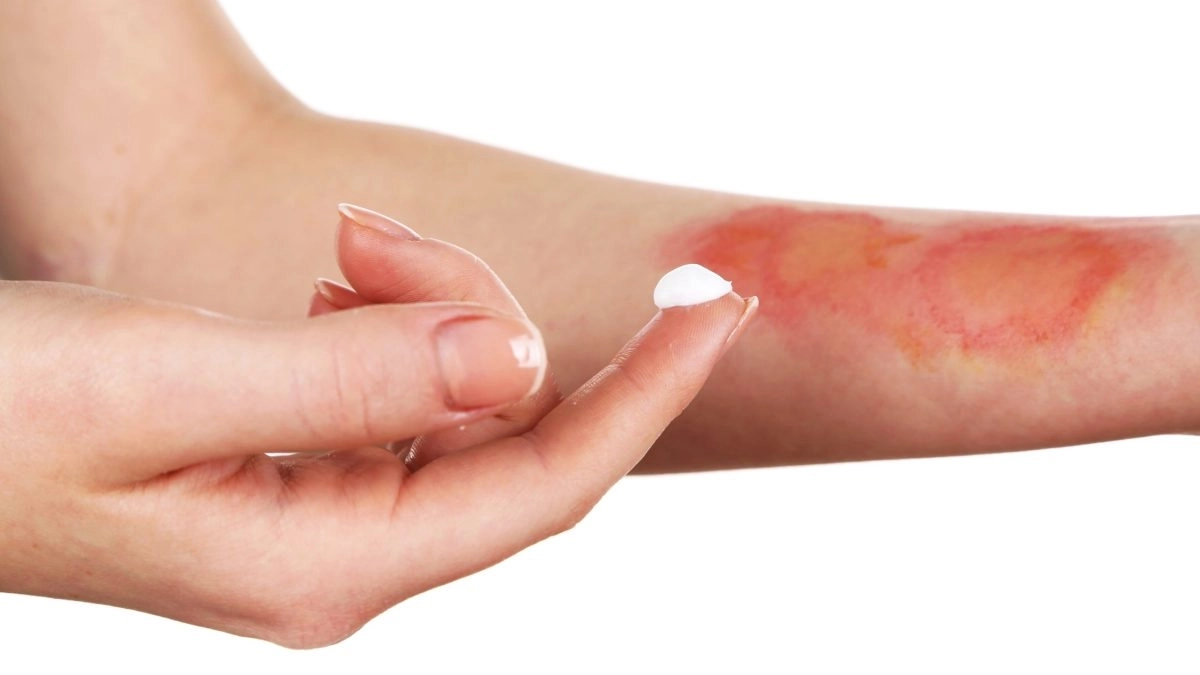
Burn scars can significantly affect a person's physical appearance, skin function, mobility, and self-confidence, particularly when burns are deep or not treated properly during the initial healing stage. The severity and appearance of burn scars vary depending on the depth of the burn, the location of the injury, the healing process, and individual skin characteristics. Thanks to remarkable advances in plastic surgery, laser therapy, skin grafting, and scar management techniques, it is now possible to significantly improve the appearance of burn scars and restore skin flexibility and function.
Dr. Ahmed Mohamed Abu Zeid emphasizes that careful evaluation of each burn scar and selecting the most appropriate treatment plan are essential for achieving the best functional and cosmetic outcomes.
What Are Burn Scars?
Burn scars are permanent or long-lasting changes in the skin that develop after a burn injury has healed. These changes may include:
Raised or hypertrophic scars
Contracture scars that restrict movement
Changes in skin pigmentation
Loss of skin elasticity
Visible skin deformities following severe burns
The severity of these scars depends on the depth of the burn, the healing process, and the quality of early medical care.
Causes of Burn Scar Formation
Several factors increase the likelihood of developing significant burn scars, including:
Deep second-degree or third-degree burns
Delayed treatment of the burn injury
Wound infection during healing
A genetic tendency to develop excessive scar tissue
Improper wound care
Excessive sun exposure after the burn has healed
Dr. Ahmed Mohamed Abu Zeid explains that receiving prompt and appropriate medical treatment greatly reduces the likelihood of permanent scar formation.
Types of Burn Scars
The most common types include:
Hypertrophic Scars
These are thick, raised scars that remain within the boundaries of the original burn injury.
Keloid Scars
These scars grow beyond the original wound margins and may continue enlarging over time.
Contracture Scars
These scars tighten the skin and may limit joint movement when located near major joints.
Pigmentation Changes
The healed skin may become either lighter or darker than the surrounding skin.
How Are Burn Scars Evaluated?
Physicians assess several important factors, including:
The depth and severity of the burn
The size of the affected area
The location of the scar and its effect on movement
The age and maturity of the scar
The patient's skin type and healing characteristics
Dr. Ahmed Mohamed Abu Zeid emphasizes that a thorough evaluation is essential for selecting the most suitable treatment approach and achieving natural-looking results.
Modern Treatment Options for Burn Scars
Treatment depends on the scar type and severity and may include:
Laser Therapy
Laser treatment helps improve skin color, reduce scar thickness, and stimulate collagen production, resulting in smoother and healthier-looking skin.
Scar Injections
Corticosteroid injections and other specialized medications may help flatten raised scars and reduce excessive scar tissue.
Plastic and Reconstructive Surgery
Patients with severe contractures or extensive scars may benefit from reconstructive surgery to release tight scar tissue and improve both function and appearance.
Skin Grafting
Skin grafting may be necessary when extensive areas of skin have been damaged or lost due to severe burns.
Compression Therapy and Silicone Sheets
Compression garments and medical-grade silicone sheets can improve scar appearance and reduce excessive scar formation during the healing process.
Physical Therapy
Rehabilitation exercises may be recommended to maintain joint mobility, prevent stiffness, and improve overall function.
Tips for Caring for Burn Scars
To achieve the best possible outcomes, patients should:
Follow the prescribed treatment plan carefully
Apply recommended medical creams consistently
Protect the scar from direct sunlight and use sunscreen regularly
Keep the skin well moisturized
Avoid picking at or attempting to remove scars at home
Attend all scheduled follow-up appointments and treatment sessions
Dr. Ahmed Mohamed Abu Zeid emphasizes that adherence to these recommendations plays a significant role in improving treatment outcomes and minimizing the risk of scar recurrence or progression.
When Should You Consult a Doctor?
Medical evaluation is recommended if you experience:
Raised scars that continue to enlarge
Persistent pain or severe itching within the scar
Restricted joint movement due to scar tightening
Noticeable changes in scar color or texture
Functional or cosmetic deformities affecting daily life
Early assessment often allows for more effective treatment options.
Can Burn Scars Be Prevented?
Although not all burn scars can be prevented, their severity can often be minimized by:
Receiving prompt and appropriate burn treatment
Changing dressings as instructed by healthcare professionals
Keeping the wound clean to prevent infection
Protecting healed skin from excessive sun exposure
Maintaining regular follow-up with a plastic and reconstructive surgeon when needed
Burn scar treatment plays an important role in restoring healthy skin appearance, improving mobility, and rebuilding self-confidence. Advances in laser therapy, reconstructive surgery, skin grafting, silicone-based treatments, and scar injection techniques have dramatically improved outcomes for many patients.
Dr. Ahmed Mohamed Abu Zeid emphasizes that early evaluation, selecting the most appropriate treatment plan, and maintaining regular medical follow-up are the key factors in achieving optimal cosmetic and functional results while improving the patient's overall quality of life.