

Published on: 2025-08-28 | Written by: Treat Center for Physical Therapy Dr. Ahmed Zaree
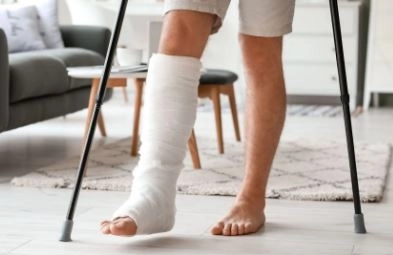
Rehabilitation after fractures and surgical operations is one of the most crucial stages that determine how quickly a patient can return to their normal life and overall quality of living. After any bone fracture or surgical procedure, patients require a comprehensive rehabilitation program that includes physiotherapy, functional training, and physical reconditioning to minimize complications and accelerate healing.
Neglecting the rehabilitation phase may lead to joint stiffness, muscle weakness, or even permanent loss of mobility. Medical references emphasize that physiotherapy and rehabilitation are just as important as surgery or fracture fixation.
Gradual recovery of muscle strength.
Improvement of joint flexibility.
Prevention of blood clots.
Faster healing of bones and soft tissues.
Helping the patient return to daily activities and work.
Early Stage (Rest and Pain Management): Starts immediately after surgery or fracture fixation and focuses on pain and swelling control with cold therapy and light exercises.
Mobility Restoration Stage: Involves progressive exercises to improve joint flexibility and prevent stiffness.
Muscle Strengthening Stage: Focused on regaining muscle power lost due to immobilization.
Functional Training Stage: Advanced exercises that help patients restore balance, walking ability, and daily activities.
Return to Normal or Sports Activities: The final stage where the patient resumes previous levels of work or sports activity.
Physiotherapy is the backbone of recovery. It combines therapeutic exercises, electrotherapy devices, ultrasound sessions, and modern manual therapy techniques. The ultimate goal is to accelerate recovery and prevent long-term complications.
Treat Center for Physiotherapy, Rehabilitation, and Clinical Nutrition emphasizes that rehabilitation programs are not random exercises but individualized treatment plans tailored to each patient’s condition, type of fracture or surgery, age, and activity level.
The center stresses that early initiation of physiotherapy under expert supervision helps reduce pain and speed up recovery.
It highlights that gradual rehabilitation is the key to achieving the best functional outcomes after fractures and surgeries.
Treat Center warns that neglecting rehabilitation sessions may result in long-term issues such as joint stiffness or loss of natural movement.
Commit to all scheduled physiotherapy sessions.
Perform the prescribed home exercises regularly.
Maintain proper nutrition to support bone and tissue healing.
Be patient, as rehabilitation is a gradual process that requires time and effort.