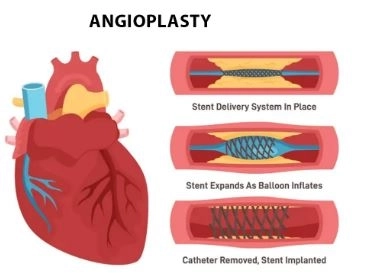
Coronary artery catheterization is one of the most important diagnostic and therapeutic procedures for heart diseases, aiming to identify any blockage or narrowing in the coronary arteries and treat it safely and precisely. Dr. Ramez Adly emphasizes that the goal of catheterization is to improve blood flow to the heart muscle and reduce the risk of heart attacks and complications related to coronary artery disease.
Importance of Coronary Artery Catheterization
The significance of this procedure includes:
Accurate diagnosis of coronary artery blockages using interventional imaging.
Treatment of blockages through stent placement or artery dilation.
Reducing the risk of heart attacks and serious complications.
Monitoring heart condition after treatment to ensure normal blood flow.
Dr. Ramez Adly confirms that timely catheterization can save the patient’s life and improve their daily quality of life.
Steps of the Procedure
Patient preparation: Clinical examination and preliminary imaging to ensure readiness.
Catheter insertion: Through the femoral or radial artery to reach the coronary arteries.
Artery imaging (Angiography): To accurately locate any blockage or narrowing.
Treatment if needed: Placing stents or using a balloon to expand the narrowed arteries.
Post-procedure follow-up: Monitoring vital signs and ensuring no complications occur.
Dr. Ramez Adly’s Advice for Patients
Adhere to regular follow-ups after catheterization to monitor heart health.
Maintain a healthy lifestyle, including balanced nutrition and appropriate exercise.
Follow the doctor’s instructions regarding supportive medications such as blood thinners and anticoagulants.
Avoid smoking and reduce stress to strengthen artery health.
Dr. Ramez Adly confirms that coronary artery catheterization represents an effective solution for diagnosing and treating coronary artery diseases, helping to reduce complications and improve patient quality of life.
Following medical instructions and regular check-ups ensures optimal results and long-term heart health.