


Published on: 2025-08-20 | Written by: Professor Ashraf Sabry Oxygen Therapy Consultant
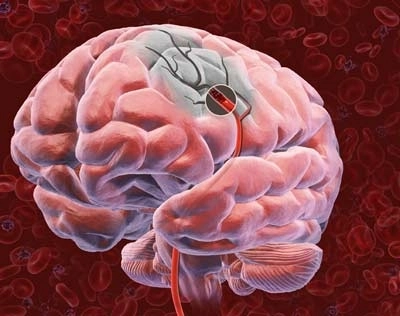
Dr. Ashraf Sabry explains that an acute stroke occurs when blood flow to part of the brain is interrupted or reduced due to a blocked blood vessel in cases of ischemic stroke, leading to reduced delivery of oxygen and glucose to brain cells and potentially causing rapid neurological damage, which is why stroke is considered a medical emergency requiring urgent evaluation and treatment in a hospital.
The Importance of Oxygen in Acute Stroke
Dr. Ashraf Sabry emphasizes that oxygen therapy plays an important role when blood oxygen levels are low in a stroke patient, as oxygen administration can help correct hypoxemia and maintain adequate oxygen delivery to tissues, while routine oxygen administration is not recommended for all stroke patients who have normal oxygen levels, making oxygen therapy dependent on medical assessment and clear clinical indications.
When Does a Stroke Patient Need Oxygen?
Dr. Ashraf Sabry confirms that providing oxygen to a patient with acute stroke is important when oxygen saturation is low or there are signs of inadequate oxygenation, while patients who maintain normal oxygen levels require comprehensive evaluation and appropriate stroke treatment rather than relying on oxygen as a standalone therapy, with the need for oxygen determined through oxygen saturation measurements, respiratory status, and vital signs.
Oxygen Is Not the Primary Treatment for Stroke
Dr. Ashraf Sabry warns that oxygen therapy does not remove a blood clot from a blood vessel or restore blood flow to the brain on its own, which is why the priority in acute stroke cases is rapid diagnosis, determining the type of stroke, ruling out bleeding, and assessing whether reperfusion treatments are appropriate, along with supporting breathing, circulation, and vital functions.
Rapid Diagnosis of Acute Stroke
Dr. Ashraf Sabry explains that rapid stroke diagnosis begins with evaluating symptoms and neurological signs and determining the exact time symptoms started or the last time the patient was known to be well, followed by appropriate brain imaging such as a CT scan or MRI according to the patient's condition and the applicable medical protocol, because identifying the type of stroke and determining whether bleeding is present are essential before selecting treatment.
Symptoms of Acute Stroke
Dr. Ashraf Sabry emphasizes the importance of responding immediately to stroke symptoms, such as sudden weakness or numbness of the face, arm, or leg, particularly on one side of the body, difficulty speaking or understanding speech, sudden loss of vision, difficulty walking or maintaining balance, or sudden severe headache in some cases, because delays in evaluation and treatment may result in the loss of brain tissue that could otherwise be saved.
The Role of Oxygen in Supporting Brain Function
Dr. Ashraf Sabry confirms that maintaining an appropriate blood oxygen level helps support brain function in patients experiencing hypoxemia, while the underlying causes of low oxygen levels, such as respiratory disorders, lung diseases, or reduced consciousness, should also be addressed, with oxygen saturation and respiratory status continuously monitored when required by the patient's condition.
Brain Reperfusion in Ischemic Stroke
Dr. Ashraf Sabry warns that some cases of acute ischemic stroke may be eligible for reperfusion treatment through clot-dissolving medications in appropriate cases or mechanical thrombectomy in selected patients, with the decision depending on the time of symptom onset, imaging findings, location of the blockage, the patient's condition, and established medical criteria rather than relying on oxygen therapy alone.
Monitoring the Patient During Treatment
Dr. Ashraf Sabry explains that monitoring an acute stroke patient includes assessing consciousness, breathing, blood pressure, oxygen saturation, blood glucose, body temperature, and neurological status, because changes in any of these parameters may require immediate medical intervention, while continuous monitoring also helps detect and manage complications at an early stage.
Risks of Unnecessary Oxygen Use
Dr. Ashraf Sabry emphasizes that using oxygen without hypoxemia is not itself a therapeutic goal in acute stroke, which is why oxygen should not be administered randomly or at inappropriate levels, as oxygen therapy should be provided under medical supervision using accurate monitoring methods to determine the patient's needs and maintain an appropriate oxygen level.
The Importance of Rapid Hospital Arrival
Dr. Ashraf Sabry confirms that transporting a patient quickly to a hospital equipped to manage acute stroke is an important factor in treatment outcomes, because some therapies are time-dependent or require specific imaging criteria, making it essential to seek emergency medical care immediately when stroke symptoms appear rather than waiting for the symptoms to improve on their own.
Rehabilitation After Stroke
Dr. Ashraf Sabry warns that stroke rehabilitation begins once the patient's condition is stable and after assessment by the medical team, and may include physical therapy, speech and swallowing therapy, occupational rehabilitation, and psychological support, with the rehabilitation program determined according to the location of the brain injury, affected functions, degree of neurological impairment, and individual patient needs.
Dr. Ashraf Sabry confirms that oxygen therapy in acute stroke is a supportive treatment when oxygen levels are low, but it is not a substitute for rapid diagnosis and specialized treatment aimed at restoring blood flow when appropriate, making it essential to treat stroke symptoms as a medical emergency and transport the patient promptly to a hospital for evaluation, imaging, and determination of the appropriate treatment plan.

