
Published on: 2025-08-19 | Written by: Dr. Asmaa Ismail, Lecturer of Clinical Genetics
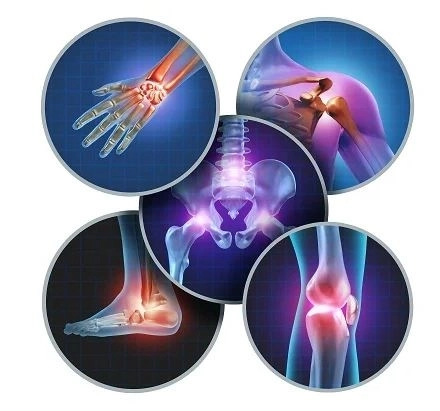
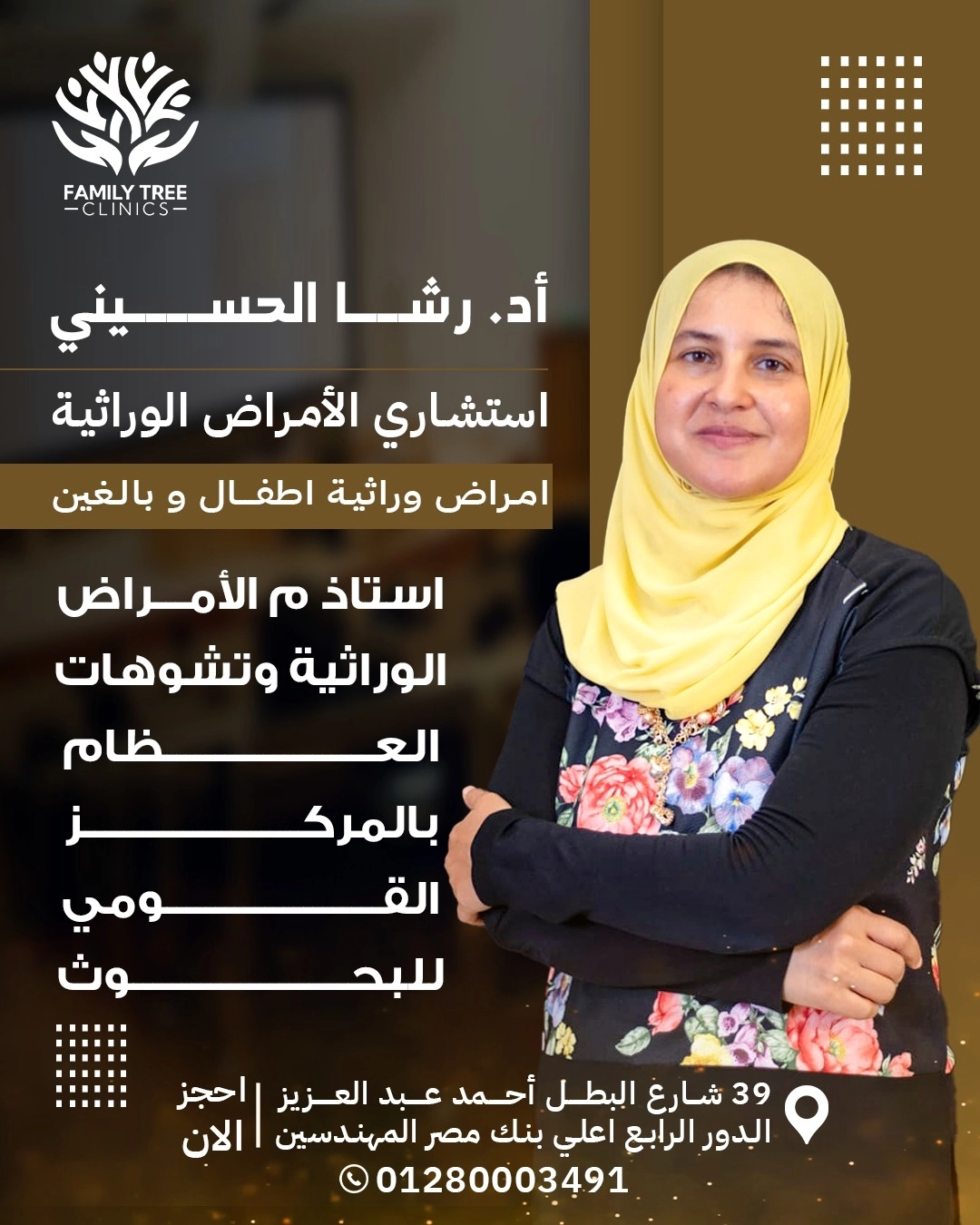
Dr. Asmaa Ismail, Lecturer of Clinical Genetics at the National Research Center, emphasizes the importance of early diagnosis for hereditary rickets and congenital defects, and explains treatment and follow-up methods for all ages at Family Tree Clinics for Genetics in Mohandessin.
Dr. Asmaa Ismail stresses that hereditary rickets is a genetic condition affecting bone strength, making them weak and prone to fractures. She explains that early diagnosis is essential to create an effective treatment plan and reduce complications. Dr. Asmaa Ismail also confirms that regular follow-up for children and adults helps improve quality of life and prevent skeletal deformities.
Dr. Asmaa Ismail clarifies that hereditary congenital defects include various deformities in bones and organs. She stresses that early detection of these conditions helps doctors and families plan appropriate treatment. She also confirms that genetic testing before and after birth is crucial to identify potential risks for the child.
Dr. Asmaa Ismail emphasizes that genetic testing, blood tests, and imaging are essential tools for accurately diagnosing rickets and congenital defects. She explains that monitoring growth and conducting regular bone assessments help detect issues early, ensuring proper medical intervention before conditions worsen.
Dr. Asmaa Ismail confirms that treatment includes proper nutrition, vitamins, medication, and sometimes surgery to strengthen bones and prevent fractures. She also stresses that psychological support for families and children is a key part of managing hereditary conditions to ensure adherence to treatment and achieve optimal outcomes.