

Published on: 2025-06-12 | Written by: Dr Azza Ibrahim Abdel Razek Therapeutic Nutrition
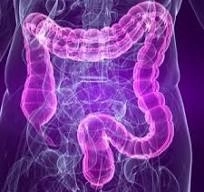
Irritable Bowel Syndrome (IBS) is a common gastrointestinal disorder that causes uncomfortable symptoms like bloating, gas, abdominal pain, and irregular bowel movements. While it is not a life-threatening condition, its impact on daily quality of life can be significant. Dr. Azza Ibrahim Abdelrazek, a clinical nutrition specialist, emphasizes that proper nutrition is the cornerstone of managing IBS symptoms effectively.
Irritable Bowel Syndrome (IBS) is a chronic functional disorder of the large intestine. It is caused by increased intestinal sensitivity or impaired bowel motility, without any visible structural damage.
Bloating after meals
Excessive gas
Recurring abdominal cramps or pain
Constipation, diarrhea, or alternating between both
Discomfort even after bowel movements
Dr. Azza Ibrahim Abdelrazek explains that dietary modifications are key to alleviating IBS symptoms and reducing flare-ups. Making intentional food choices can greatly improve digestive health.
Avoid foods high in fermentable sugars, such as:
Legumes
Wheat
Dairy rich in lactose
Apples, pears, onions
Limit: caffeine, fried foods, spicy dishes, carbonated drinks.
Dividing meals into 4–6 light portions per day reduces digestive stress.
Examples: oats, flaxseeds, cooked vegetables.
Drink at least two liters of water daily to support bowel function.
From natural yogurt or prescribed supplements, under medical supervision.
According to Dr. Azza Ibrahim Abdelrazek, the following foods may help calm the digestive system:
Ripe bananas
Boiled potatoes
Oats
Herbal teas like chamomile and peppermint
Lactose-free yogurt