
Published on: 2025-08-06 | Written by: Dr. Mohamed Fouad El-Zayat, Ophthalmologist
Children's eyes are delicate and require careful attention from the early years of life, as visual problems in childhood can affect the child’s learning, development, and general behavior. Dr. Mohamed Fouad El-Zayat, Consultant in Pediatric Ophthalmology, Cataract and Glaucoma Surgery, confirms that early diagnosis of eye diseases in children is the key to effective treatment and the preservation of vision.
Dr. Mohamed Fouad El-Zayat emphasizes that children may suffer from several visual problems, the most common of which are:
Strabismus (crossed eyes): A condition in which the eyes do not align properly.
Lazy eye (amblyopia): Weak vision in one eye due to lack of use during development.
Refractive errors: Such as nearsightedness, farsightedness, and astigmatism.
Congenital cataracts or glaucoma: Which require early surgical intervention to preserve vision.
Dr. Mohamed Fouad El-Zayat stresses the importance of conducting a comprehensive eye examination for children, especially if there are signs such as:
The child rubbing their eyes frequently
Difficulty focusing
Sitting too close to screens or books
Frequent blinking or squinting
Early detection allows for intervention before the child’s academic performance and quality of life are affected.
Dr. Mohamed Fouad El-Zayat confirms that there are many advanced options to treat children's eye conditions, such as:
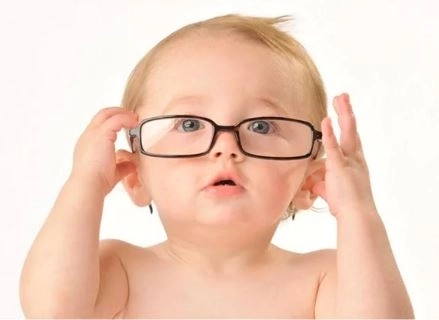
Corrective eyeglasses to adjust refractive errors
Patching therapy to treat lazy eye
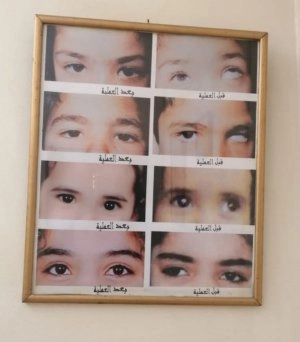
Surgical correction of strabismus or congenital cataracts using advanced microsurgical techniques
Minimally invasive glaucoma surgery to reduce intraocular pressure in children
The family plays a crucial role in observing any visual symptoms in the child and committing to treatment instructions. Dr. Mohamed Fouad El-Zayat advises parents not to delay medical consultation if they notice any abnormal behavior in the child’s vision.
Dr. Mohamed Fouad El-Zayat confirms that treating eye diseases in children requires a specialized and experienced medical approach, as pediatric eyes differ in anatomy and response from adult eyes. With early diagnosis and proper treatment, it is possible to ensure the child grows up with healthy vision and a better future.