

Published on: 2025-08-06 | Written by: Dr Azza Mohamed Mustafa Hussein Clinical Psychologist
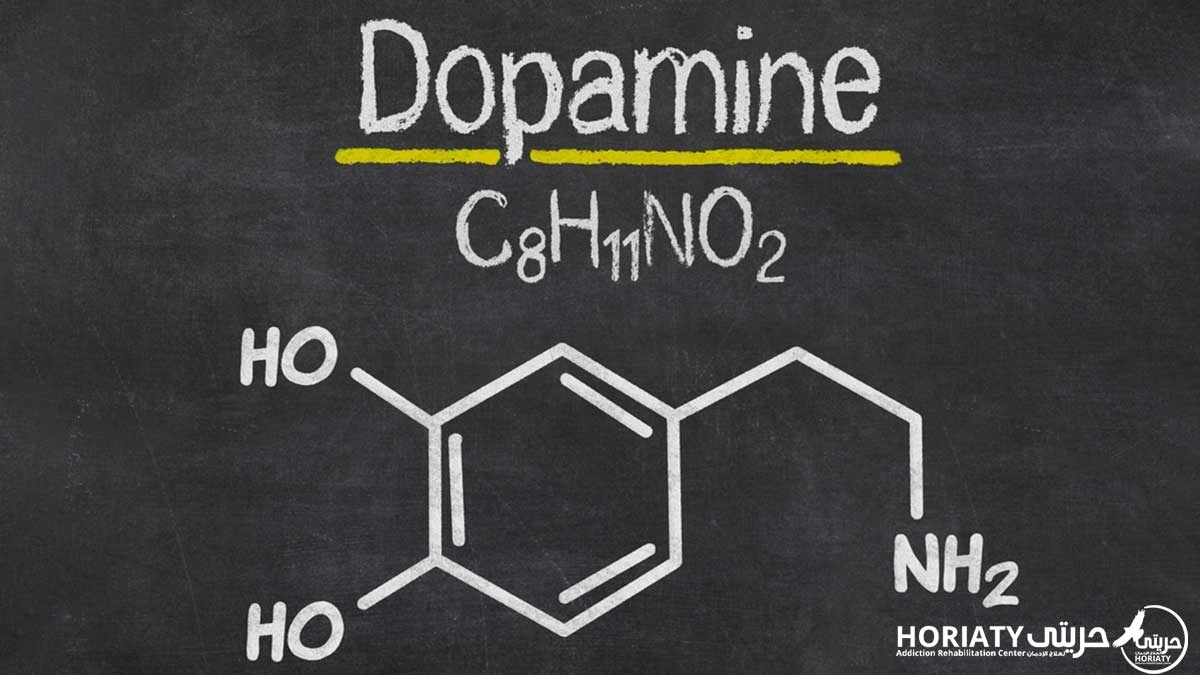
Dopamine is one of the most important neurotransmitters in the brain, playing a major role in several vital and psychological functions. It is often referred to as the "happy hormone" or "motivation hormone."
Here are the most important points about dopamine:
What is dopamine?
It is a chemical secreted by the brain that helps transmit signals between nerve cells (neurons). It is classified as a neurotransmitter and a neurostimulator.
Dopamine's functions:
1. Reward and motivation: Increased with achievement, eating, sex, and success, and provides a sense of satisfaction.
2. Mood regulation: Deficiency leads to depression or apathy.
3. Movement: Necessary for fine motor coordination (and is associated with Parkinson's disease).
4. Focus and attention: Important for concentration and attention (associated with attention deficit hyperactivity disorder (ADHD).
5. Decision-making: Enhances the desire for challenges and calculated risk-taking.
Symptoms of Dopamine Deficiency:
Depression
Loss of Passion and Motivation
Constant Fatigue
Lack of Concentration
Feelings of Coldness
Causes of Low Dopamine:
Chronic Stress
Malnutrition (deficiency of tyrosine, vitamin B6, iron, magnesium)
Lack of Sleep
Addiction (causes dopamine receptor sensitivity)
Certain psychiatric medications
Natural Ways to Increase Dopamine:
1. Good Sleep: 7-9 hours.
2. Exercise: Especially resistance and cardio training.
3. Sun Exposure: Vitamin D stimulates its production.
4. Healthy Eating: Foods Rich in Tyrosine, Such as:
Eggs
Meat
Fish
Nuts
Dark Chocolate
5. Meditation and Gratitude: Reduces Stress and Increases Dopamine.
6. Achieving Small Goals: The Brain Rewards You with Dopamine.
7. Avoid digital addiction: such as addiction to social media or pornography, because they artificially raise dopamine levels and then weaken them in the long run.