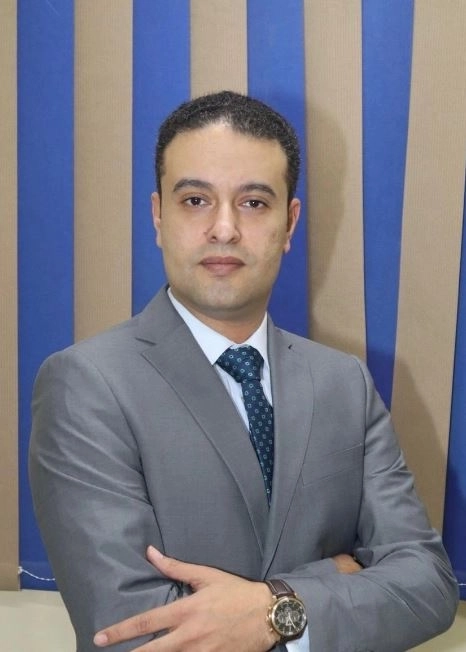

Published on: 2025-07-30 | Written by: Dr. Mohamed Farouk Mustafa, Professor of Oncology and Nuclear Medicine

The diagnosis and treatment of cancerous tumors is a critical medical process that requires accuracy, speed, and coordination between various specialties. Dr. Mohamed Farouk Mostafa, a consultant in oncology and radiation therapy, confirms that early diagnosis significantly improves the chances of recovery and increases the success rates of treatment plans.
Dr. Mohamed Farouk Mostafa explains that diagnosing cancer begins with a thorough clinical examination and review of the patient’s symptoms and medical history. This is followed by diagnostic tests such as:
Imaging scans (CT, MRI, and PET scans) to determine the tumor’s location and size
Laboratory tests and tumor markers
Tissue biopsy, which is the definitive diagnostic tool to determine the type and stage of cancer
He emphasizes the importance of not delaying in performing the necessary examinations, especially when early warning signs appear such as unexplained weight loss, persistent fatigue, or abnormal lumps.
Dr. Mohamed Farouk Mostafa confirms that treatment plans are customized based on the type of tumor, its stage, and the patient’s general condition. Treatment options include:
Surgical intervention: to remove the tumor if possible
Radiation therapy: targeting cancer cells with high precision
Chemotherapy: using medications to destroy or shrink cancer cells
Targeted therapy and immunotherapy: advanced techniques that help the body’s immune system fight cancer more effectively
He stresses that the integration of different treatment methods leads to better results and increases the chances of controlling the disease.
Dr. Mohamed Farouk Mostafa adds that treating cancer is not only about destroying the tumor but also about supporting the patient psychologically and physically throughout the journey. This includes:
Managing side effects of treatment
Providing nutritional guidance
Offering psychological support to enhance the patient’s quality of life