
Published on: 2025-07-26 | Written by: Mohamed Basyouni Balah, Orthopedic Consultant
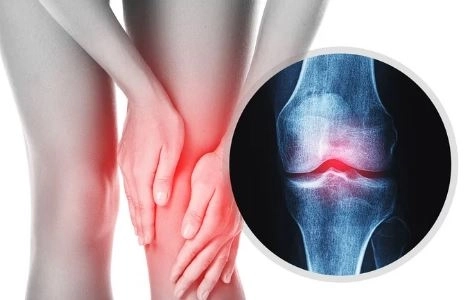
Knee surgeries are among the most common medical procedures used to treat knee problems, ranging from sports injuries to wear and tear caused by aging or chronic diseases like arthritis. Performing knee surgery requires careful attention and high surgical skill to ensure the patient returns to their normal life as quickly as possible with minimal pain.
Knee surgery aims to treat issues affecting the joint and causing pain or limited movement. Surgical treatment typically involves replacing or repairing damaged tissues in the knee, whether they are bones, ligaments, cartilage, or tendons.
There are various reasons that may prompt a doctor to recommend knee surgery. Some of the main reasons include:
Sports Injuries: Such as ligament or cartilage tears, which are common, especially among athletes.
Arthritis: A common condition that causes cartilage damage in the joint, leading to persistent pain and difficulty moving.
Knee Fractures: Often caused by accidents or falls.
Congenital Deformities: Some people are born with knee problems that may require surgery.
Cartilage Problems: Such as tears or wear that affect knee movement.
Dr. Mohamed Basyouni Belah: "It is important to understand that there are several conditions that may require surgical intervention. Patients should not hesitate to visit a specialized doctor when they experience continuous pain or difficulty moving. Early treatment prevents worsening of the issue and reduces long-term complications."
1. Arthroscopy:
This is a medical procedure used to diagnose and treat various knee problems using a small camera called an "arthroscope." The arthroscope is inserted through a small incision in the skin, allowing the surgeon to view the inside of the joint and perform precise operations such as removing damaged tissue or repairing cartilage or ligaments.
Advantages of this surgery:
Less invasive compared to traditional surgery.
Shorter recovery time.
Less pain.
Better outcomes in most cases.
Dr. Mohamed Basyouni Belah: "Arthroscopic surgery has become the first choice for many patients today because it is less invasive and provides excellent results with a faster recovery period."
2. Knee Replacement Surgery:
Also known as joint replacement surgery, this involves replacing part or all of the knee joint with an artificial one when the joint has deteriorated due to cartilage wear or chronic conditions like arthritis.
Types of knee replacement:
Partial knee replacement: When only part of the joint is affected.
Total knee replacement: When the entire knee joint is affected.
Dr. Mohamed Basyouni Belah: "Knee replacement is the optimal solution for advanced cases of cartilage wear or arthritis. This surgery should be considered when other treatments fail to improve the patient's condition, but a thorough evaluation must be done before making a decision."
3. Ligament Repair Surgery:
This surgery is performed when ligaments are torn, such as in the case of an anterior cruciate ligament (ACL) tear, which is common in sports requiring rapid direction changes.
Dr. Mohamed Basyouni Belah: "ACL tears are a common injury among athletes, and surgical intervention is necessary in certain cases to restore full knee function."
4. Cartilage Repair Surgery:
This surgery is used to repair damaged cartilage inside the knee, either by transferring healthy cartilage from another area or using synthetic materials to replace the damaged cartilage.
In recent years, knee surgeries have seen significant advancements in surgical techniques and tools, leading to reduced complications and improved outcomes.
Robotic Technology: Robots are now used in some knee replacement surgeries to ensure high precision in placing the artificial joint and minimize human errors.
Personalized Medicine: In some cases, doctors use personalized or tailored medicine based on the patient's genetic information, helping to choose the most suitable treatment.
Rapid Recovery: New techniques like "minimally invasive knee surgery" are enabling patients to return to their daily lives faster with improved pain reduction and shorter recovery times.
Dr. Mohamed Basyouni Belah: "Recent technological developments have made knee surgery more precise and less damaging. We are now able to significantly improve outcomes using robotics and modern techniques, helping patients return to their normal activities more quickly."
After surgery, patients need to follow a strict rehabilitation program to regain strength, movement, and flexibility in the knee. This includes physical therapy with specific exercises aimed at increasing knee flexibility and strengthening the surrounding muscles.
Early Physical Therapy: This usually begins in the first few weeks after surgery to help reduce swelling and stimulate blood circulation.
Compensatory Exercises: These exercises help strengthen muscles and restore normal function.
Intensive Rehabilitation: In some cases, an intensive rehabilitation program may be required for several months.
Dr. Mohamed Basyouni Belah: "Rehabilitation after surgery is an integral part of the final success of the procedure. It is essential to follow the physical therapy sessions as prescribed by the doctor. This significantly helps reduce pain and restore normal movement."
Dr. Mohamed Basyouni Belah, Consultant in Orthopedic Surgery, emphasizes the importance of early diagnosis and consultation with specialized doctors before deciding on surgical treatment for knee problems. He discusses how the right treatment plan is determined based on the patient's condition, knee involvement, and lifestyle.
Dr. Mohamed Basyouni Belah: "Early consultation with a specialist can help accurately diagnose the problem and determine the appropriate treatment. In some cases, non-surgical treatment may be sufficient, while in others, surgery may be the best option to relieve pain and restore movement."
Although knee surgeries are generally safe, there are some risks that patients should be aware of, such as:
Infection.
Blood clots.
Nerve or blood vessel damage.
Failure of the artificial joint.
By regularly following up with the doctor after surgery, these risks can be minimized.
Dr. Mohamed Basyouni Belah: "Although the risks are low, it is extremely important for the patient to follow the doctor's instructions carefully after surgery and undergo regular check-ups to ensure the success of the operation and full recovery."