

Published on: 2025-06-11 | Written by: Dr. Amr Shehata, Obstetrics and Gynecology Specialist
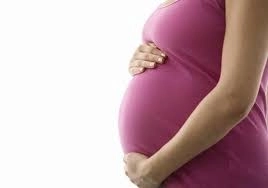
Pregnancy is one of the most delicate and transformative stages in a woman’s life and requires close medical attention from the earliest signs. However, in some cases, pregnancy doesn't progress as expected and results in what is known as an ectopic pregnancy — a serious condition that requires immediate medical intervention. In this article, we’ll explore the key differences between normal pregnancy and ectopic pregnancy, including symptoms, diagnostic methods, and treatment options.
A normal pregnancy begins when an egg is fertilized by a sperm in the fallopian tube, then travels to the uterus where it implants into the uterine lining and begins to develop. This type of pregnancy is monitored through:
Blood or urine pregnancy tests
Transvaginal ultrasound to confirm the location of the gestational sac
Monitoring Beta-hCG hormone levels
In an ectopic pregnancy, the fertilized egg implants outside the uterus, most commonly in the fallopian tube. Since the fallopian tube is not designed to support a growing embryo, this pregnancy cannot continue and may lead to life-threatening complications such as tube rupture or internal bleeding.
| Aspect | Normal Pregnancy | Ectopic Pregnancy |
|---|---|---|
| Implantation Site | Inside the uterus | Outside the uterus (commonly in fallopian tube) |
| Pregnancy Viability | Can progress to full term | Cannot progress |
| Ultrasound Findings | Gestational sac inside uterus | No gestational sac in uterus or abnormal location |
| Early Symptoms | Missed period, nausea | Sharp abdominal pain, unusual bleeding, dizziness |
| Risk Level | Generally low | High, may be life-threatening |
Sharp and persistent abdominal or pelvic pain (especially on one side)
Abnormal vaginal bleeding
Severe dizziness or fainting
Shoulder pain (possible sign of internal bleeding)
Weakness or low blood pressure
Transvaginal ultrasound to determine pregnancy location
Serial blood tests for Beta-hCG hormone levels
Physical examination and symptom assessment
Treatment depends on the severity and location of the ectopic pregnancy, as well as the woman’s overall health:
Medication (Methotrexate): Stops the growth of ectopic tissue
Laparoscopic Surgery: Minimally invasive surgery to remove the ectopic pregnancy
Emergency Surgery: Required in severe cases with internal bleeding
Yes, many women go on to have successful pregnancies after treatment. If the fallopian tubes remain intact, the chances of conceiving naturally are still good. Early monitoring and follow-up with a gynecologist are essential for future pregnancies.