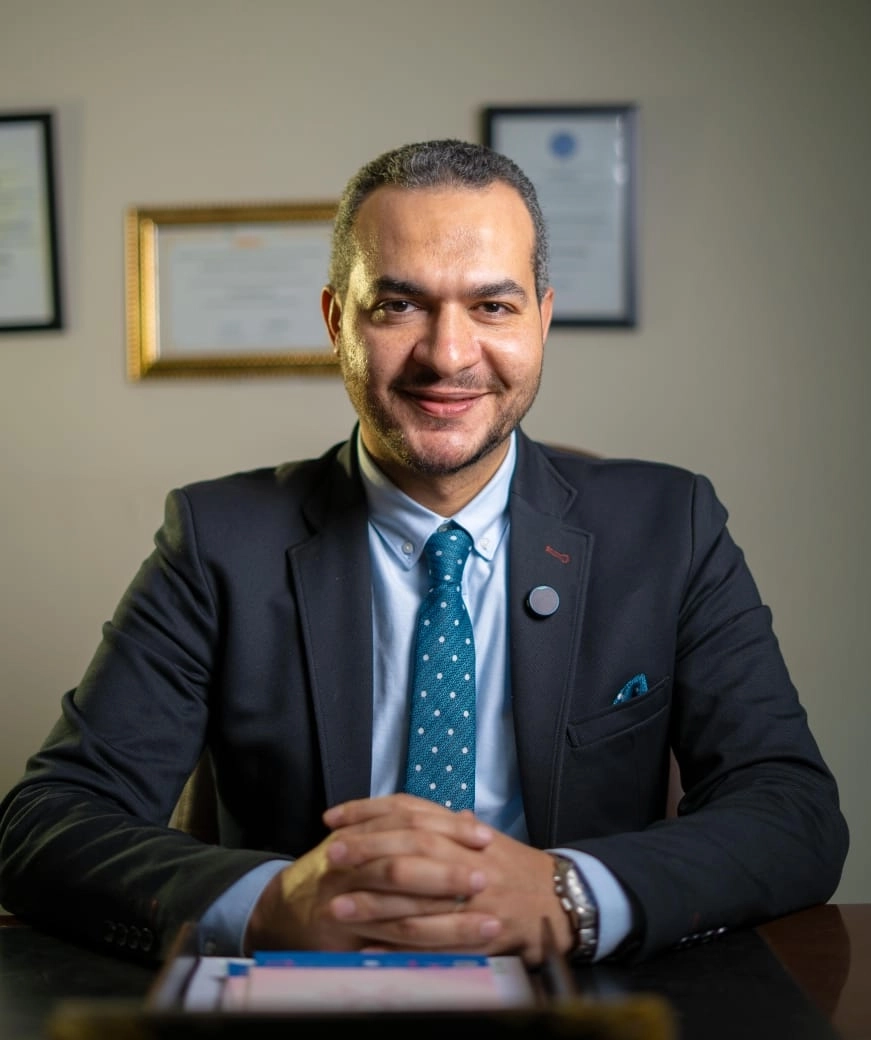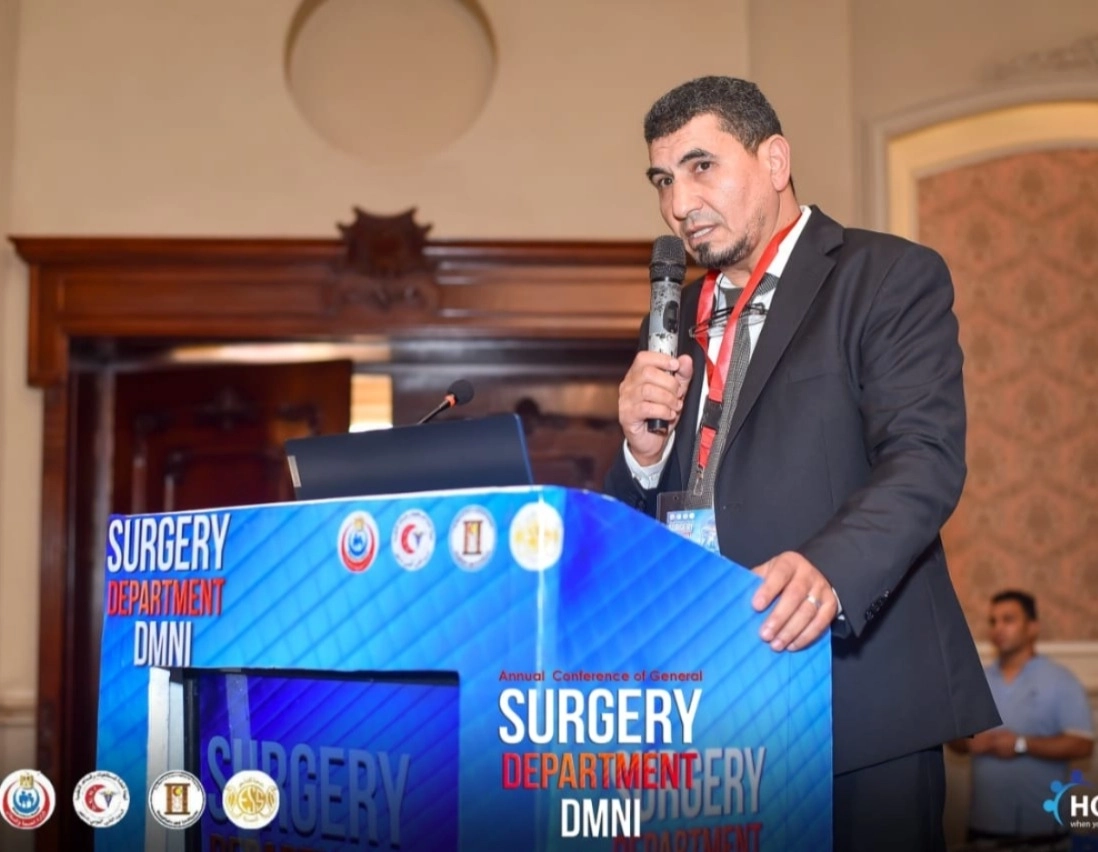

Published on: 2025-07-10 | Written by: Dr. Ahmed Nagi, Consultant General Surgeon

Breast reconstruction is a vital complementary surgery performed after tumor removal or total mastectomy. Its goal is to restore the natural appearance of the breast, helping patients overcome the psychological impact of breast loss and improving overall quality of life.
Dr. Ahmed Nagi, Consultant of General Surgery and Reconstructive Breast Oncology at Alexandria Faculty of Medicine, affirms:
"Breast reconstruction is not merely cosmetic—it’s an essential part of the comprehensive treatment plan for breast cancer patients. It helps restore self-confidence and reduces the emotional trauma associated with mastectomy."
It is a surgical procedure aimed at reshaping the breast after tumor removal or total mastectomy. It can be performed immediately during the same surgery or delayed until after radiation or chemotherapy, depending on the patient’s condition.
Reconstruction may involve using the patient’s own body tissue, implants, or a combination of both to achieve the best aesthetic result.
Autologous tissue reconstruction (using tissue from the abdomen, back, or thigh)
Implant-based reconstruction (saline or silicone implants)
Hybrid reconstruction (combining both tissue and implants)
Immediate: During the same surgery as the mastectomy if medically appropriate.
Delayed: After completing treatments like radiation or chemotherapy.
Dr. Ahmed Nagi explains:
"The timing depends on the patient’s overall health, cancer type, and treatment plan. In some cases, it’s safer to wait until after radiotherapy to reduce complication risks."
Restores natural body symmetry and external appearance
Boosts self-esteem and emotional well-being
Minimizes psychological distress from breast loss
Allows patients to wear clothing comfortably and confidently
Complements cancer treatment with a holistic healing approach
No. Breast reconstruction does not interfere with regular follow-up or early detection. Dr. Ahmed Nagi reassures:
"We carefully plan reconstruction in a way that allows for continued monitoring and future imaging without obstacles. The materials used do not block necessary scans or screenings."