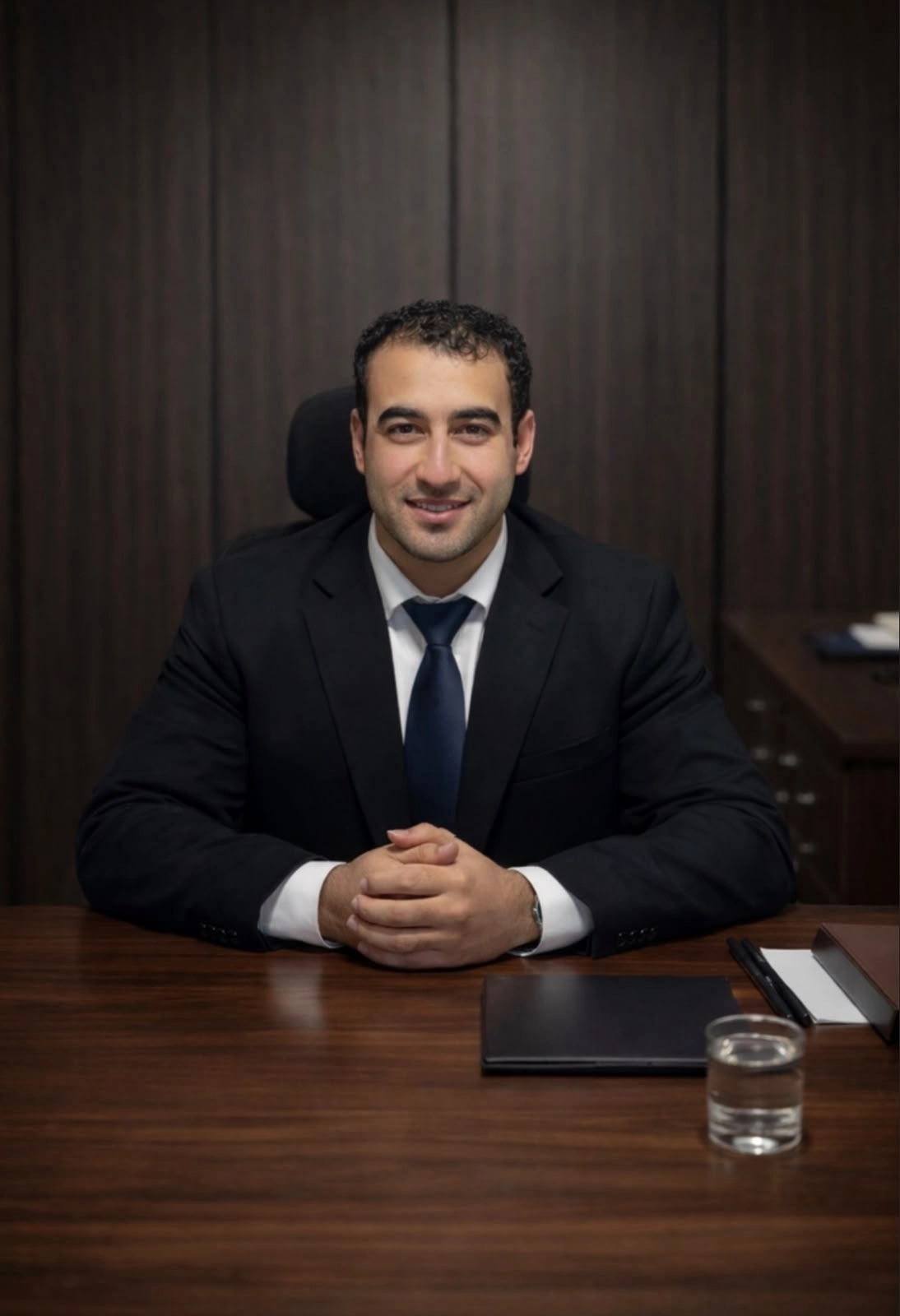

Published on: 2025-07-10 | Written by: Hamdy Abdel Mawla, Consultant Psychiatrist

Addiction treatment is one of the most sensitive and important medical specialties in mental health, aiming to help individuals overcome psychological and physical dependence on substances or addictive behaviors and return to a healthy and productive life.
Addiction is a chronic medical condition that affects the brain, causing an uncontrollable craving for drugs or certain behaviors despite the health, social, and legal consequences. Addiction is not limited to chemical substances but also includes behavioral addictions such as gaming, gambling, and others.
Assessment and Diagnosis:
The treatment journey begins with a comprehensive evaluation of the patient’s physical, psychological, and social condition to determine the type of addiction and its impact.
Safe Withdrawal:
Under strict medical supervision, the substance or addictive behavior is gradually eliminated while monitoring withdrawal symptoms.
Psychological Therapy and Behavioral Support:
Includes individual and group therapy to modify behaviors and enhance psychological coping skills to resist temptations.
Rehabilitation and Social Reintegration:
Supporting the patient’s return to normal life and society with continuous follow-up programs.
“Addiction treatment is not only about eliminating the substance but is a comprehensive process that requires ongoing psychological support and rehabilitation programs aimed at rebuilding the patient’s personality and successfully reintegrating them into society.”
He added:
“We strive to provide a safe and confidential therapeutic environment that allows the patient to regain confidence and live without the fear of social stigma.”
Medication Therapy: Use of medications to ease withdrawal symptoms and reduce cravings.
Cognitive Behavioral Therapy (CBT): Modifying addiction-related thoughts and behaviors.
Group Support Sessions: Sharing experiences and psychological support among patients.
Family Therapy: Involving the family in supporting the patient throughout the recovery journey.
Rehabilitative Therapy: Long-term programs to rebuild life skills.
Dr. Hamdy Abdel-Mawla emphasizes:
“Early intervention in addiction treatment increases success rates and reduces physical, psychological, and social harm. Continuous follow-up is essential to prevent relapse and support the patient in facing life’s challenges.”