Published on: 2025-07-06 | Written by: Dr. Islam Ahmed Abu Talib, Gastroenterologist
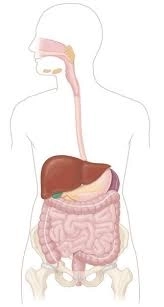
The biliary tract is a vital part of the digestive system, responsible for transporting bile from the liver and gallbladder to the small intestine, aiding in the digestion of fats. The danger of biliary diseases lies in their silent progression. They often begin without clear symptoms and then suddenly present with severe complications such as:
Jaundice (yellowing of the skin and eyes)
Upper right abdominal pain
Elevated liver enzymes
Dark-colored urine
Pale stool
Severe body itching
This is why early and accurate diagnosis, followed by precise medical intervention, is essential for managing any issue within the bile ducts.
The diagnosis of biliary tract disorders depends on combining clinical evaluation with advanced medical imaging. In a previous professional statement, Dr. Islam Ahmed Abou Taleb explained:
“My priority in assessing any biliary case is to accurately locate the obstruction or stricture, using MRCP (Magnetic Resonance Cholangiopancreatography), which is currently one of the most precise non-invasive imaging techniques. Additionally, Triphasic CT scans help evaluate tumors or complex inflammations.”
He also pointed out the role of liver function tests and bile profile panels in assessing the extent of liver impact caused by bile duct issues.
In cases of obstruction or stones within the biliary tract, ERCP is the preferred approach. It combines diagnostic imaging with interventional treatment in a single procedure.
According to Dr. Islam Ahmed Abou Taleb:
“ERCP is the most effective solution in most cases of biliary obstruction. It allows me to access the bile duct through the mouth and reach the site precisely. I can remove stones, place stents, or collect tissue samples, all without the need for open surgery.”
He added that the procedure is performed under sedation, typically takes less than an hour, and is safe with a high success rate when done promptly.
Following treatment, Dr. Islam Ahmed Abou Taleb emphasizes the need for regular follow-up, especially for patients who received biliary stents or have chronic or tumor-related conditions. He states:
“Ongoing monitoring after treatment prevents re-obstruction or complications. I design follow-up plans for each patient, including routine blood tests, periodic imaging, and lifestyle adjustments according to their condition.”
You should consult a qualified specialist if you experience any of the following symptoms:
Sudden yellowing of the skin or eyes
Recurring pain in the upper right abdomen
Changes in urine or stool color
Loss of appetite or weight
Abnormal liver function test results
These signs may indicate a biliary tract problem, and early diagnosis significantly increases the chance of recovery without surgical complications.
Through his previous public statements, Dr. Islam Ahmed Abou Taleb has consistently highlighted the importance of early intervention, precise diagnostics, and careful post-treatment follow-up to achieve the best medical outcomes for patients.