
Published on: 2025-07-06 | Written by: Mohamed Basyouni Balah, Orthopedic Consultant
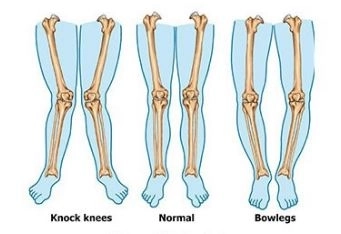
Bone development in children is a delicate biological process that requires continuous monitoring, especially during the early years of life. Genetic factors, nutrition, and physical activity play essential roles in the development of the child’s musculoskeletal system. However, in some cases, limb deformities may appear due to congenital or acquired causes, necessitating specialized medical intervention.
Orthopedic surgery consultant and pediatric bone specialist Dr. Mohamed Bassiouni Ballah emphasizes that early detection of deformities can prevent their progression into chronic problems that may affect the child’s future. He adds that some deformities can be noticed within the first few months, such as bowlegs or differences in limb length.
According to Dr. Mohamed Bassiouni Ballah, there are several deformities frequently seen in children, including:
Bow Legs (Genu Varum): Common during early walking stages but may persist abnormally.
Clubfoot (Talipes Equinovarus): A congenital condition requiring early intervention through physical therapy or surgery.
Hip Dysplasia: An incomplete development of the hip joint.
Flatfoot (Pes Planus): Often improves with age, but in some cases, supportive treatment is necessary.
Dr. Mohamed Bassiouni Ballah states that treatment varies depending on the type and severity of the deformity and may include:
Physical Therapy: Used in many cases to strengthen muscles and correct alignment.
Orthopedic Shoes and Braces: Support the affected limb and encourage natural growth.
Surgical Intervention: Reserved for severe cases or those unresponsive to conservative treatments.
Dr. Mohamed Bassiouni Ballah stresses the family’s role in observing their child and seeking medical advice at the first sign of abnormal limb movement or appearance. He also highlights the importance of raising community awareness about the need for newborn screening and tracking the child’s motor development milestones.