
Published on: 2025-06-28 | Written by: Dr. Ahmed Al Sharif, Lecturer and Consultant
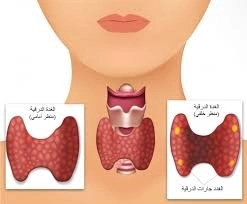
Thyroid surgery is considered one of the most delicate operations that requires special expertise, given the thyroid gland’s crucial role in regulating many body functions such as metabolism, energy levels, and hormone secretion. Surgery is often required in cases of goiter, benign or malignant tumors, or when medications fail to control hyperthyroidism.
Doctors emphasize that surgery is only considered after thorough examination and accurate diagnosis. The most common cases that require surgical intervention include:
Suspicious nodules or masses in the thyroid gland.
Enlarged thyroid causing difficulty in breathing or swallowing.
Hyperthyroidism that does not respond to medical treatment.
Malignant tumors requiring total removal of the gland.
With medical advancements, thyroid surgery has become safer and more precise, using advanced techniques to reduce risks and protect nearby nerves and blood vessels. The main types include:
Partial thyroidectomy: Removing part of the thyroid when the enlargement or tumor is limited to one lobe.
Total thyroidectomy: Complete removal of the gland, common in malignant cases.
Endoscopic thyroid surgery: Minimally invasive with smaller incisions and faster recovery.
Although the procedure is generally safe, some potential risks include injury to the vocal cords or bleeding.
Here, the role of an experienced surgeon is essential in minimizing risks and ensuring the best outcomes for patients.
Dr. Ahmed El Sherif emphasizes that thyroid surgery requires high precision and extensive expertise, and that choosing an experienced surgeon greatly increases the success rate of the operation.
He also stresses the importance of early diagnosis and regular follow-ups with the doctor to determine the right timing for surgery.
After the operation, patients need close monitoring of hormone levels, and some may require hormone replacement therapy to stabilize body functions.
Dr. Ahmed El Sherif confirms that strict adherence to medical advice after surgery significantly improves recovery and helps patients regain normal activity.
Commit to regular medical check-ups and lab tests.
Follow the doctor’s instructions carefully after surgery.
Maintain a healthy lifestyle to support hormonal balance.