
Sleeve Gastrectomy: An Investment in Health and Ideal Weight

Published on: 2025-06-10 | Written by: Mohamed Arafat, Consultant Obesity Surgeon

Sleeve Gastrectomy: An Investment in Health and Ideal Weight

Obesity poses a global health challenge, significantly increasing the risk of numerous chronic diseases. In this context, Sleeve Gastrectomy, commonly known as "gastric sleeve surgery," has emerged as an effective and sustainable surgical solution to help individuals regain their health and achieve an ideal weight. This procedure represents a radical transformation in a patient's life, extending beyond mere weight loss to encompass a comprehensive improvement in overall quality of life.


Understanding Sleeve Gastrectomy: An Innovative Mechanism

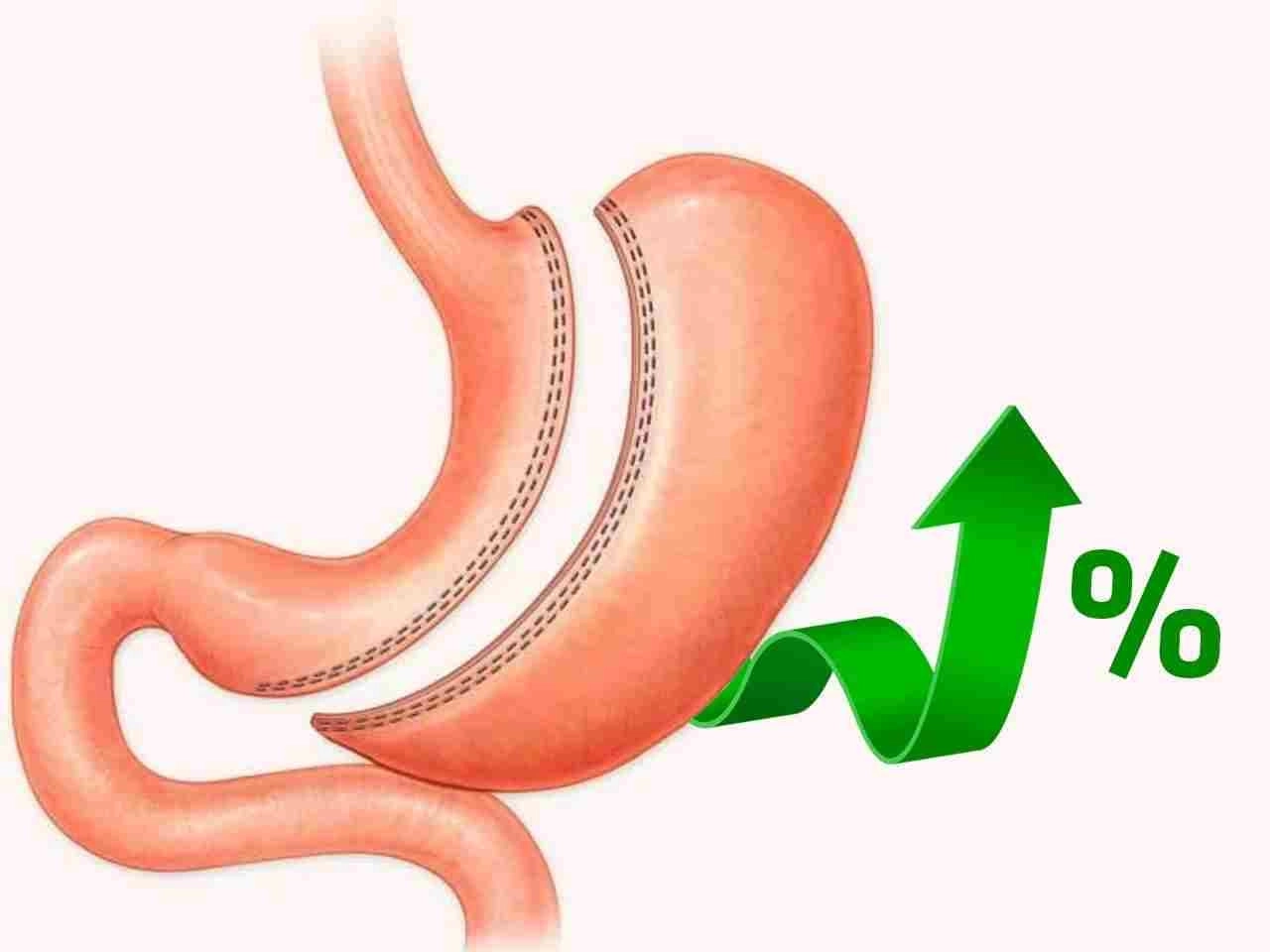
Sleeve gastrectomy is defined as a surgical procedure for the permanent reduction of stomach size. During the surgery, the bariatric surgeon removes approximately 75% to 80% of the larger, curved portion of the stomach. The remaining stomach is reshaped into a narrow tube resembling a "sleeve" or "banana," maintaining its natural connection to the esophagus at the top and the small intestine at the bottom, without any rerouting of the intestines.

How does this procedure help with weight loss?

The effectiveness of sleeve gastrectomy relies on two fundamental principles:

  1. Restriction of Food Intake: The significantly smaller stomach capacity means the patient feels full quickly after consuming small amounts of food. This drastically reduces daily caloric intake.
  2. Hormonal and Metabolic Effects: The removed portion of the stomach is largely responsible for secreting Ghrelin, often called the "hunger hormone." After its removal, ghrelin levels drop significantly, reducing the patient's feeling of hunger and promoting satiety for longer periods. This hormonal change plays a crucial role in the procedure's success and goes beyond simply reducing stomach size.

Who Benefits from Sleeve Gastrectomy? Candidacy Criteria

Sleeve gastrectomy requires a thorough evaluation of potential candidates. Generally, it is suitable for individuals who meet the following criteria:

  • Body Mass Index (BMI) of 40 or higher: Indicating severe obesity.
  • BMI between 35 and 39.9: If the patient has at least one obesity-related health condition, such as:
    • Type 2 Diabetes: The surgery can lead to significant improvement or even complete remission.
    • High Blood Pressure.
    • Sleep Apnea.
    • Heart Disease.
    • Severe Joint Pain hindering mobility.
  • Failure of Traditional Weight Loss Methods: After attempting supervised diet and exercise programs without achieving sustainable results.
  • Commitment to Lifestyle Changes: The patient must be fully prepared to adopt radical and permanent changes in their dietary habits and behavior after surgery.

Recovery Journey and Expected Outcomes

Recovery after sleeve gastrectomy typically progresses gradually. The patient starts with a liquid diet, then moves to pureed foods, then soft foods, and finally solid foods over several weeks. Patients adhere to small food portions, thorough chewing, and slow eating, with a focus on protein intake and lifelong vitamin and mineral supplementation.

Outcomes:

  • Significant and Sustainable Weight Loss: Patients can expect to lose between 60% to 70% of their excess weight within 12 to 18 months post-surgery.
  • Marked Improvement in Chronic Diseases: Many obesity-related conditions such as diabetes, high blood pressure, and cholesterol problems significantly improve or go into remission.
  • Improved Quality of Life: Enhanced physical capacity, increased energy levels, boosted self-confidence, and reduced obesity-related depression.

Important Considerations and Follow-up

Despite its effectiveness, sleeve gastrectomy is not without potential risks, which include general surgical complications (like bleeding or infection) and procedure-specific complications (such as staple line leakage or GERD). Therefore, choosing a highly experienced bariatric surgeon is paramount.

The long-term success of sleeve gastrectomy crucially depends on the patient's adherence to the instructions of the surgeon and the multidisciplinary medical team, including the nutritionist and, if necessary, a mental health professional. Regular follow-up is essential to ensure healthy weight loss, detect any vitamin or mineral deficiencies, and manage any complications that may arise.


In conclusion, sleeve gastrectomy offers a real opportunity for individuals suffering from severe obesity to embark on a new, healthier, and more active life. It is an investment in the future that requires commitment and effort but offers invaluable health rewards.


دكتور أسنان فى اسكندريةدكتور نساء وتوليد فى اسكندريةدكتور عيون فى الاسكندريةدكتور نفسية وعصبية فى الاسكندريةدكتور أنف وأذن وحنجرة فى الاسكندريةدكتور طب طبيعى وروماتيزممستشفياتصيدلياتمعامل تحاليلدليلي ميديكالدكتور باطنة في الاسكندريةدكتور جراحة عامة في الاسكندريةدكتور تجميل في الاسكندريةدكتور اوعية دموية في الاسكندريةدكتور أطفال فى إسكندريةدكتور عظام فى إسكندريةدكتور أوعية دموية فى إسكندريةدكتور جهاز هضمى وكبد فى إسكندريةدكتور مسالك بولية فى إسكندريةدكتور قلب فى إسكندريةدكتور جلدية فى إسكندريةدكتور تغذية علاجية فى إسكندريةدكتور حساسية وصدر فى إسكندريةدكتور مخ وأعصاب فى إسكندريةدكتور أورام فى إسكندريةدكتور أسنان بالقاهرةدكتور أطفال بالقاهرةدكتور أنف وأذن وحنجرة بالقاهرةدكتور قلب بالقاهرةدكتور باطنة بالقاهرةدكتور تخاطب بالقاهرةدكتور جراحة أطفال بالقاهرةدكتور أورام بالقاهرةدكتور أوعية دموية بالقاهرةدكتور أمراض دم بالقاهرةدكتور جهاز هضمى وكبد بالقاهرةدكتور حساسية وصدر بالقاهرةدكتور تغذية علاجية بالقاهرةدكتور جراحة تجميل بالقاهرةدكتور جراحة عامة بالقاهرةدكتور جلدية بالقاهرةصيدليات بالقاهرةدكتور نساء وتوليد فى القاهرةدكتور مسالك بولية فى القاهرةدكتور طب طبيعي وروماتيزم بالقاهرةدكتور عظام فى القاهرة
What's your complaint?