
Published on: 2026-11-10 | Written by: Dr. Mohamed Mamdouh Thabet, Lecturer of Obstetrics and Gynecology

the causes of infertility and delayed pregnancy, as well as the latest diagnostic and treatment options with Dr. Mohamed Mamdouh Thabet, Lecturer and Consultant of Obstetrics and Gynecology at Kasr Al Ainy and Member of the Royal College of Obstetricians and Gynaecologists (RCOG), London. Discover the essential tests and treatment options for improving your chances of conception.
Delayed pregnancy is a concern for many couples and can cause anxiety and stress, especially when time passes without achieving pregnancy. However, with medical advancements in obstetrics, gynecology, and fertility treatment, several diagnostic and treatment options are now available to identify the causes of delayed conception and choose the most appropriate treatment for each case.
The causes of delayed pregnancy vary from one woman to another. They may include ovulation disorders, polycystic ovary syndrome (PCOS), blocked fallopian tubes, uterine conditions, or factors related to male fertility. In some cases, multiple factors may contribute to the problem.
Therefore, the first step in treating delayed pregnancy is evaluating both partners and performing the necessary medical investigations to identify the underlying cause and develop an appropriate treatment plan.
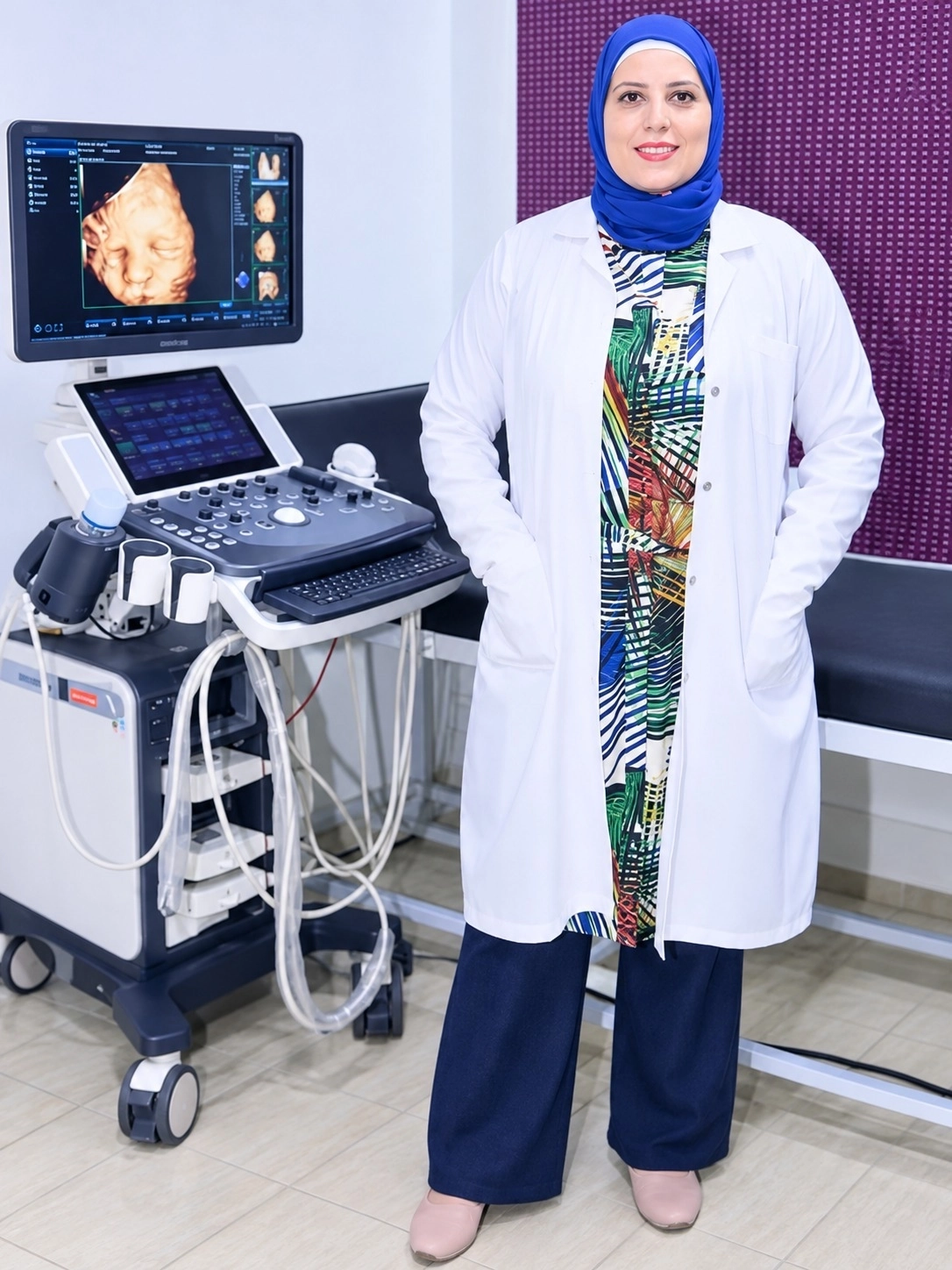
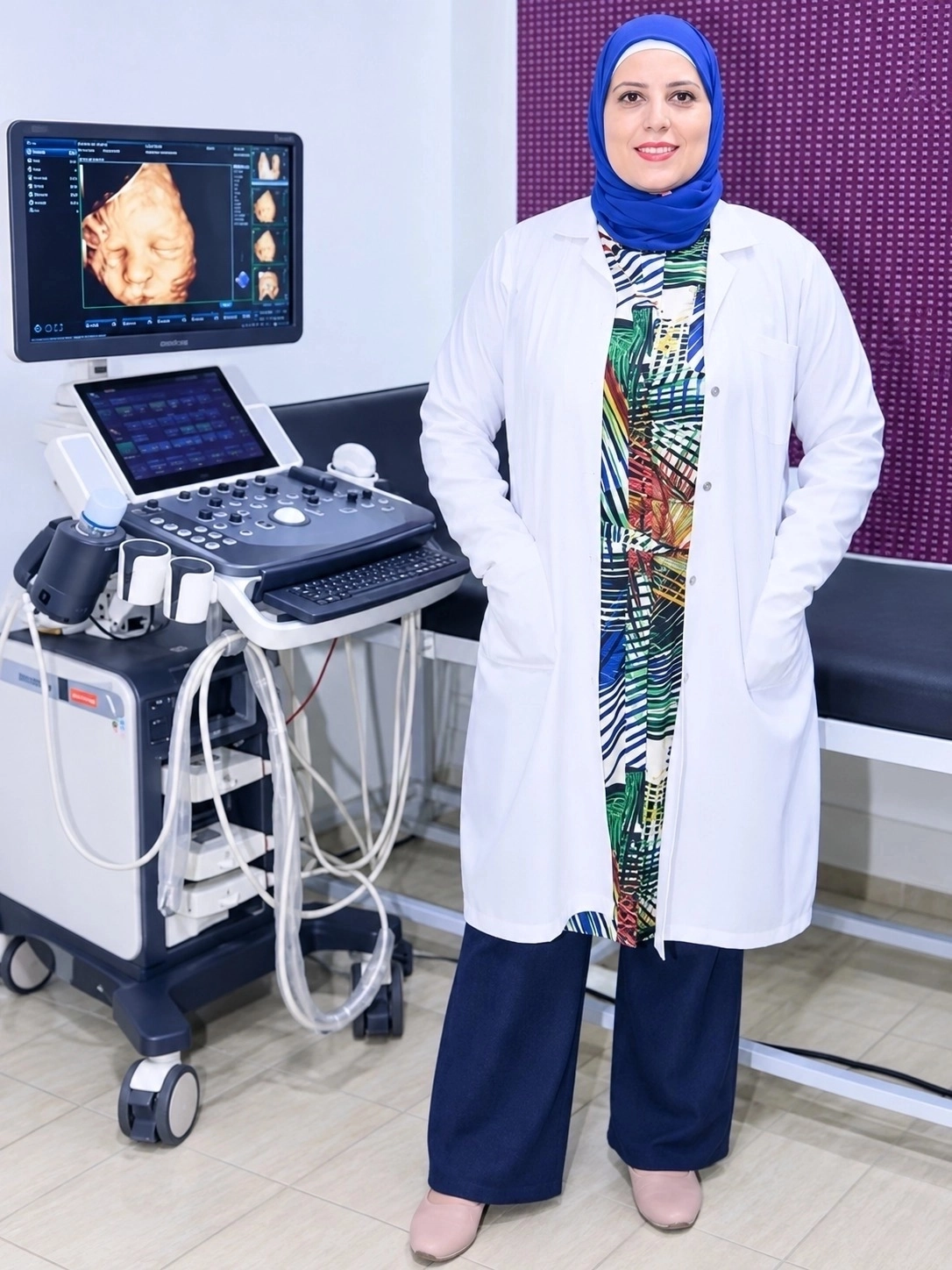
Dr. Mohamed Mamdouh Thabet, Lecturer and Consultant of Obstetrics and Gynecology at Kasr Al Ainy and Member of the Royal College of Obstetricians and Gynaecologists (RCOG), London, provides specialized care in obstetrics and gynecology and the evaluation of fertility-related conditions.
Infertility is medically defined as the inability to achieve pregnancy after 12 months or more of regular unprotected sexual intercourse.
For women aged 35 or older, fertility evaluation is generally recommended after six months of trying without achieving pregnancy. Women over 40 may benefit from an earlier evaluation.
Delayed pregnancy is generally classified into two types:
It is important to understand that infertility does not necessarily mean pregnancy is impossible. Many cases can be treated depending on the underlying cause and the couple's medical condition.
Several medical conditions can affect a woman's ability to conceive. The most common causes include:
PCOS is one of the common conditions that may affect ovulation. It causes hormonal imbalances that can interfere with the regular release of eggs from the ovaries.
Common symptoms include:
Treatment depends on the individual condition and may include ovulation regulation and management of associated health factors.
Ovulation is essential for natural conception. A mature egg must be released from the ovary during the menstrual cycle so that fertilization can occur.
Ovulation disorders may result from:
Identifying the cause of ovulation disorders helps determine the appropriate treatment to improve the chances of pregnancy.
The fallopian tubes transport the egg from the ovary toward the uterus. Fertilization usually takes place inside these tubes when the egg meets the sperm.
Blocked fallopian tubes may prevent natural conception. Possible causes include:
Fallopian tube patency can be evaluated using appropriate investigations, such as a hysterosalpingography (HSG), depending on the individual case.
Endometriosis occurs when tissue similar to the lining of the uterus grows outside the uterine cavity. It may affect the ovaries and fallopian tubes and cause adhesions that interfere with fertility.
Common symptoms include:
Treatment depends on the severity of the condition, the woman's age, and her pregnancy plans.
Certain uterine abnormalities may affect embryo implantation and pregnancy development.
These include:
The doctor evaluates whether these conditions affect fertility and whether treatment is necessary.
Ovarian reserve refers to the remaining egg supply in a woman's ovaries. It may decrease with age or due to certain medical factors.
Ovarian reserve can be assessed through an AMH blood test, other hormonal investigations, and ultrasound examination to count ovarian follicles.
It is important to understand that ovarian reserve testing alone cannot determine whether pregnancy is possible, but it helps the doctor assess fertility and select an appropriate treatment plan.
Delayed pregnancy is not always related to the woman. Male fertility factors may also contribute, which is why both partners should be evaluated.
Common causes of male infertility include:
Semen analysis is one of the essential tests used to evaluate male fertility. Additional investigations may be required depending on the results.
The diagnosis of infertility depends on evaluating both partners' medical and reproductive histories, followed by selecting the appropriate investigations to identify the underlying cause.
The doctor may recommend:
These may include:
It is important to evaluate both partners at the same time to avoid overlooking any potential cause of delayed pregnancy.
Treatment depends on the underlying cause, the woman's age, the duration of infertility, and the results of the medical investigations.
There is no single treatment suitable for every couple. Common treatment options include:
If delayed pregnancy is caused by irregular or absent ovulation, the doctor may prescribe medications that stimulate egg development and regulate ovulation.
The medication type and dosage are determined according to the individual condition, with ultrasound monitoring when necessary to assess the ovaries' response.
Treatment of PCOS depends on the symptoms, severity of ovulation disorders, and associated health factors.
Treatment may include:
Treatment depends on the location and severity of the blockage. Options may include surgery in selected cases or assisted reproductive techniques such as IVF and ICSI.
Treatment is selected according to the severity of symptoms, extent of the disease, and the woman's pregnancy plans.
In certain cases, surgical treatment may be considered, alongside an evaluation of its effects on ovarian function and fertility.
In some cases, hysteroscopic procedures can help treat conditions affecting the uterine cavity, such as certain endometrial polyps, adhesions, and fibroids that interfere with the uterine lining.
Treatment depends on the underlying cause and the results of semen analysis and other investigations.
It may include treating hormonal disorders or infections, managing varicocele in selected cases, or using assisted reproductive technologies according to the medical evaluation.
Several assisted reproductive techniques are available to help couples achieve pregnancy. The appropriate method is selected based on the results of fertility investigations.
Intrauterine Insemination (IUI):
IUI is a procedure in which a prepared sperm sample is placed directly inside the uterus at the appropriate time around ovulation, with the aim of increasing the chances of fertilization.
It may be suitable for certain cases of mild infertility when the medical conditions are appropriate.
Intracytoplasmic Sperm Injection (ICSI):
ICSI is an assisted reproductive technique in which a single sperm is injected directly into an egg in the laboratory. The resulting embryos are monitored, and a suitable embryo is selected for transfer into the uterus.
It may be recommended in certain cases, including some forms of male infertility, previous treatment failure, or specific medical indications.
In Vitro Fertilization (IVF):
IVF involves stimulating the ovaries to produce eggs, retrieving the eggs, and fertilizing them with sperm in a laboratory. The resulting embryos are monitored before an appropriate embryo is transferred into the uterus.
The doctor determines the most suitable technique based on fertility test results and the factors affecting the couple's ability to conceive.
Fertility evaluation is recommended in the following situations:
Early evaluation is also recommended when there is a known medical condition that may affect fertility, without waiting for the usual timeframe.
Certain healthy lifestyle habits may help improve reproductive health in both partners, including:
If you are looking for a specialist in obstetrics and gynecology to evaluate delayed pregnancy and fertility-related conditions, you can consult Dr. Mohamed Mamdouh Thabet, Lecturer and Consultant of Obstetrics and Gynecology at Kasr Al Ainy and Member of the Royal College of Obstetricians and Gynaecologists (RCOG), London.
The evaluation of delayed pregnancy begins with a thorough medical assessment of both partners, reviewing their medical histories, performing the necessary investigations, identifying the underlying cause, and developing an appropriate treatment plan.
Accurate diagnosis is the essential first step toward choosing the right treatment, whether it involves ovulation disorders, uterine conditions, fallopian tube problems, or other causes of delayed pregnancy.