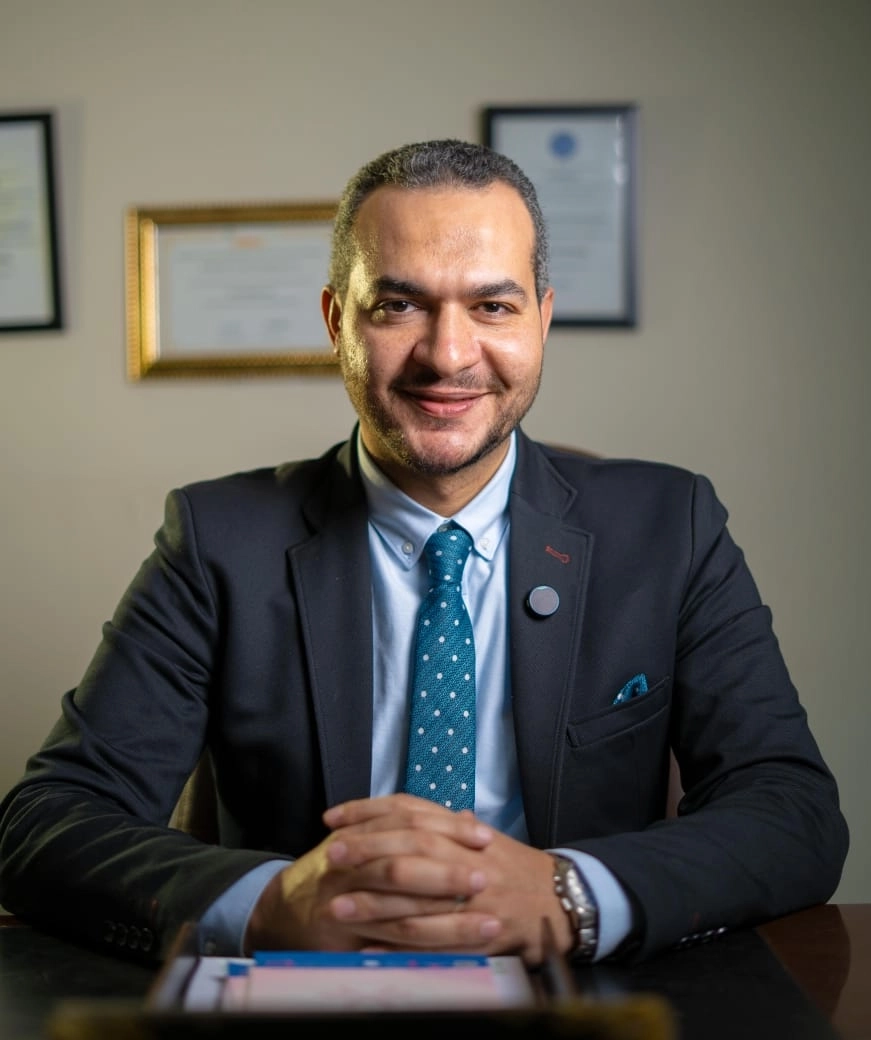

Published on: 2026-11-07 | Written by: Dr. Mohamed Mohamed El-Hashash, of General Surgery

Learn about cancer surgery, its different types, and its role in tumor treatment. Meet Professor Dr. Mohamed Mohamed El-Hashash, Professor of General Surgery, Oncology, Gastroenterology, and Gallbladder Surgery in Alexandria, Egypt.
Cancer surgery is one of the most important medical specialties involved in diagnosing and treating various types of tumors, whether benign or malignant. It involves surgical procedures to remove a tumor or part of it, depending on the tumor's type, location, size, extent of spread, and the patient's overall health.
Treating tumors requires careful medical evaluation to determine their nature and select the most appropriate treatment plan. Treatment options vary from one case to another and may include surgery, chemotherapy, radiation therapy, targeted therapy, or a combination of these treatments.
Professor Dr. Mohamed Mohamed El-Hashash specializes in General Surgery, Oncology, Gastroenterology, and Gallbladder Surgery, with 30 years of professional experience in the medical field.
Cancer surgery plays an important role in treating many conditions. The goals of surgery vary depending on the nature of the disease. Its main objectives include:
The type of cancer surgery depends on the tumor's location, nature, and stage. Some of the most common types include:
This procedure aims to surgically remove the tumor. It may involve removing part of the affected organ or the entire organ, depending on the tumor's nature and extent, while preserving healthy tissue whenever possible.
This includes surgical procedures for tumors affecting different parts of the digestive system, such as the stomach, intestines, colon, and rectum. The appropriate surgical approach depends on the tumor's location, size, and stage.
Surgery is an important treatment option for many cases of colon cancer. It may involve removing the affected section of the colon along with surrounding tissues and associated lymph nodes when necessary.
Surgical treatment for stomach cancer varies according to the tumor's size, location, and stage. It may involve removing part of the stomach or, in certain cases, the entire stomach.
The possibility of surgical treatment for liver tumors depends on several factors, including the tumor type, size, number of lesions, liver function, and the patient's overall health.
In some cases, a biopsy or tissue sample is required to examine the tumor and surrounding tissues. This helps determine the nature of the cells and establish an accurate diagnosis.
Not all tumors are cancerous. Tumors are generally classified into two main categories:
Benign Tumors:
Malignant Tumors:
The type of tumor is determined through clinical examinations, imaging studies, laboratory tests, and pathological examination when necessary.
Certain symptoms require medical evaluation to determine their underlying cause, including:
These symptoms do not necessarily indicate cancer, but they should be medically evaluated.
Before deciding on cancer surgery, the doctor performs a comprehensive assessment, which may include:
These investigations help determine whether surgery is appropriate and whether additional treatment is needed before or after the operation.
No. Surgery is not the only treatment for cancer. It is one part of the treatment plan in many cases.
Depending on the type and stage of cancer, treatment may include:
The appropriate treatment is determined by a specialized medical team based on the tumor type, stage, and the patient's overall health.
Treatment does not end once the surgical procedure is completed. Patients need regular medical follow-up to monitor their recovery and assess treatment outcomes.
Follow-up may include: