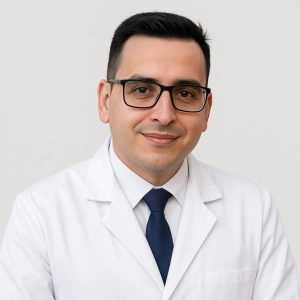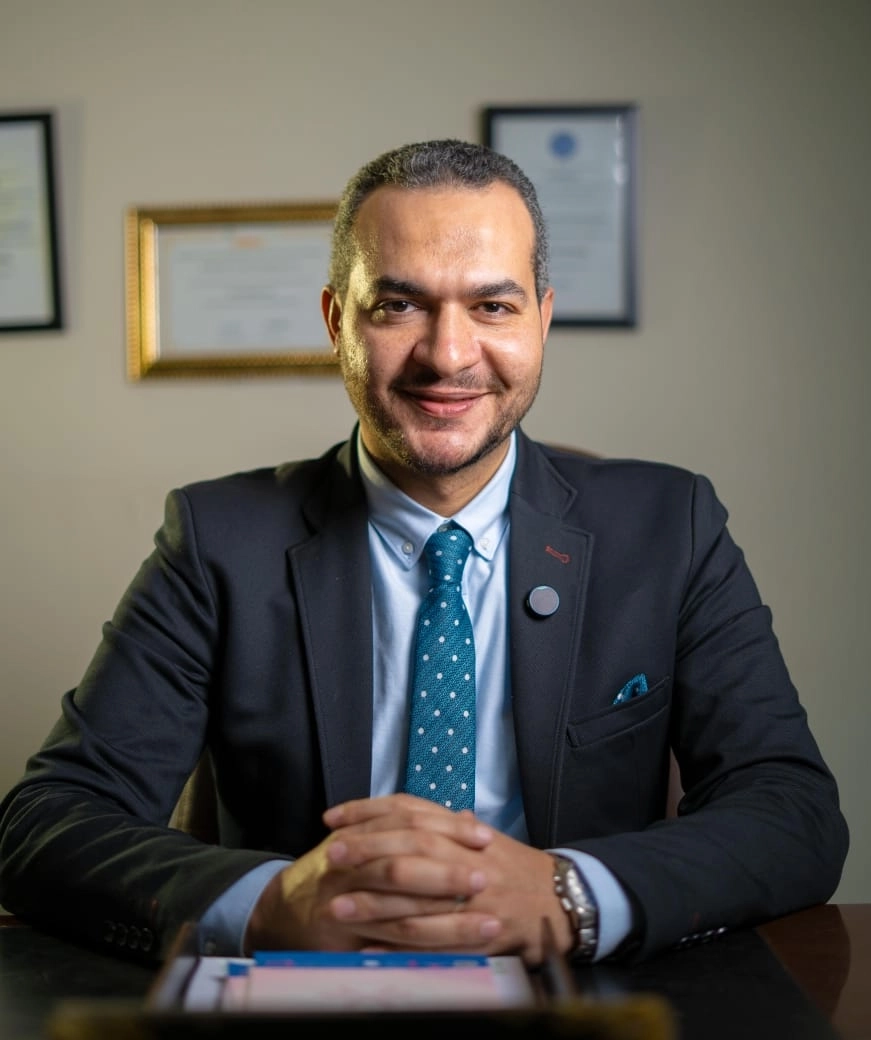

Oncological Surgeries with Dr. Mohamed Mohamed El-Hashash

Published on: 2026-11-07 | Written by: Dr. Mohamed Mohamed El-Hashash, of General Surgery


Learn about cancer surgery, its different types, and its role in tumor treatment. Meet Professor Dr. Mohamed Mohamed El-Hashash, Professor of General Surgery, Oncology, Gastroenterology, and Gallbladder Surgery in Alexandria, Egypt.

What Is Cancer Surgery?

Cancer surgery is one of the most important medical specialties involved in diagnosing and treating various types of tumors, whether benign or malignant. It involves surgical procedures to remove a tumor or part of it, depending on the tumor's type, location, size, extent of spread, and the patient's overall health.

Treating tumors requires careful medical evaluation to determine their nature and select the most appropriate treatment plan. Treatment options vary from one case to another and may include surgery, chemotherapy, radiation therapy, targeted therapy, or a combination of these treatments.

Professor Dr. Mohamed Mohamed El-Hashash specializes in General Surgery, Oncology, Gastroenterology, and Gallbladder Surgery, with 30 years of professional experience in the medical field.


Why Is Cancer Surgery Important?

Cancer surgery plays an important role in treating many conditions. The goals of surgery vary depending on the nature of the disease. Its main objectives include:

  • Removing benign or malignant tumors when surgery is appropriate.
  • Removing tumors and reducing the overall tumor burden.
  • Helping diagnose tumors through tissue biopsy and pathological examination.
  • Treating certain tumors that have not spread to other organs.
  • Relieving symptoms caused by tumors pressing on surrounding organs.
  • Improving the patient's quality of life in certain cases.


What Are the Different Types of Cancer Surgery?

The type of cancer surgery depends on the tumor's location, nature, and stage. Some of the most common types include:

1. Tumor Removal Surgery

This procedure aims to surgically remove the tumor. It may involve removing part of the affected organ or the entire organ, depending on the tumor's nature and extent, while preserving healthy tissue whenever possible.

2. Gastrointestinal Cancer Surgery

This includes surgical procedures for tumors affecting different parts of the digestive system, such as the stomach, intestines, colon, and rectum. The appropriate surgical approach depends on the tumor's location, size, and stage.

3. Colon Cancer Surgery

Surgery is an important treatment option for many cases of colon cancer. It may involve removing the affected section of the colon along with surrounding tissues and associated lymph nodes when necessary.

4. Stomach Cancer Surgery

Surgical treatment for stomach cancer varies according to the tumor's size, location, and stage. It may involve removing part of the stomach or, in certain cases, the entire stomach.

5. Liver Tumor Surgery

The possibility of surgical treatment for liver tumors depends on several factors, including the tumor type, size, number of lesions, liver function, and the patient's overall health.

6. Diagnostic Tumor Surgery

In some cases, a biopsy or tissue sample is required to examine the tumor and surrounding tissues. This helps determine the nature of the cells and establish an accurate diagnosis.


What Is the Difference Between Benign and Malignant Tumors?

Not all tumors are cancerous. Tumors are generally classified into two main categories:

Benign Tumors:

  • They are non-cancerous.
  • They generally do not spread to other organs.
  • They may require monitoring or surgical removal depending on their size, location, and associated symptoms.

Malignant Tumors:

  • They consist of cancerous cells.
  • They can grow and invade surrounding tissues.
  • They may spread to other organs through the bloodstream or lymphatic system.
  • They require specialist evaluation to determine the most appropriate treatment.

The type of tumor is determined through clinical examinations, imaging studies, laboratory tests, and pathological examination when necessary.


When Should You Consult a Surgical Oncologist?

Certain symptoms require medical evaluation to determine their underlying cause, including:

  • The appearance of an unusual lump or swelling.
  • Unexplained weight loss.
  • Persistent or recurrent pain without an obvious cause.
  • Ongoing changes in bowel habits.
  • Blood in the stool.
  • Persistent difficulty swallowing.
  • Continuous and unusual digestive problems.
  • Noticeable changes in the size or nature of an existing lump.

These symptoms do not necessarily indicate cancer, but they should be medically evaluated.


How Are Tumors Diagnosed Before Surgery?

Before deciding on cancer surgery, the doctor performs a comprehensive assessment, which may include:

  1. Clinical Examination: Evaluating symptoms and the patient's overall condition.
  2. Blood Tests: Depending on the suspected tumor type and the patient's health.
  3. Medical Imaging: Such as ultrasound, CT scans, and MRI when necessary.
  4. Tumor Biopsy: Examining tissue samples to determine the nature of the cells.
  5. Cancer Staging: Determining the extent of the disease and selecting the appropriate treatment plan.

These investigations help determine whether surgery is appropriate and whether additional treatment is needed before or after the operation.


Is Cancer Surgery the Only Treatment for Cancer?

No. Surgery is not the only treatment for cancer. It is one part of the treatment plan in many cases.

Depending on the type and stage of cancer, treatment may include:

  • Surgery to remove the tumor.
  • Chemotherapy.
  • Radiation therapy.
  • Hormone therapy for certain types of cancer.
  • Immunotherapy or targeted therapy, depending on the tumor type.

The appropriate treatment is determined by a specialized medical team based on the tumor type, stage, and the patient's overall health.


The Importance of Follow-Up After Cancer Surgery

Treatment does not end once the surgical procedure is completed. Patients need regular medical follow-up to monitor their recovery and assess treatment outcomes.

Follow-up may include:

  • Reviewing the pathological examination results after tumor removal.
  • Monitoring wound healing and recovery after surgery.
  • Performing follow-up tests and imaging according to the medical plan.
  • Assessing the need for additional treatment.
  • Scheduling regular medical examinations as recommended by the doctor.
دكتور أسنان فى اسكندريةدكتور نساء وتوليد فى اسكندريةدكتور عيون فى الاسكندريةدكتور نفسية وعصبية فى الاسكندريةدكتور أنف وأذن وحنجرة فى الاسكندريةدكتور طب طبيعى وروماتيزممستشفياتصيدلياتمعامل تحاليلدليلي ميديكالدكتور باطنة في الاسكندريةدكتور جراحة عامة في الاسكندريةدكتور تجميل في الاسكندريةدكتور اوعية دموية في الاسكندريةدكتور أطفال فى إسكندريةدكتور عظام فى إسكندريةدكتور أوعية دموية فى إسكندريةدكتور جهاز هضمى وكبد فى إسكندريةدكتور مسالك بولية فى إسكندريةدكتور قلب فى إسكندريةدكتور جلدية فى إسكندريةدكتور تغذية علاجية فى إسكندريةدكتور حساسية وصدر فى إسكندريةدكتور مخ وأعصاب فى إسكندريةدكتور أورام فى إسكندريةدكتور أسنان بالقاهرةدكتور أطفال بالقاهرةدكتور أنف وأذن وحنجرة بالقاهرةدكتور قلب بالقاهرةدكتور باطنة بالقاهرةدكتور تخاطب بالقاهرةدكتور جراحة أطفال بالقاهرةدكتور أورام بالقاهرةدكتور أوعية دموية بالقاهرةدكتور أمراض دم بالقاهرةدكتور جهاز هضمى وكبد بالقاهرةدكتور حساسية وصدر بالقاهرةدكتور تغذية علاجية بالقاهرةدكتور جراحة تجميل بالقاهرةدكتور جراحة عامة بالقاهرةدكتور جلدية بالقاهرةصيدليات بالقاهرةدكتور نساء وتوليد فى القاهرةدكتور مسالك بولية فى القاهرةدكتور طب طبيعي وروماتيزم بالقاهرةدكتور عظام فى القاهرة
What's your complaint?